


- 15 November, 2026
- 9
- 0
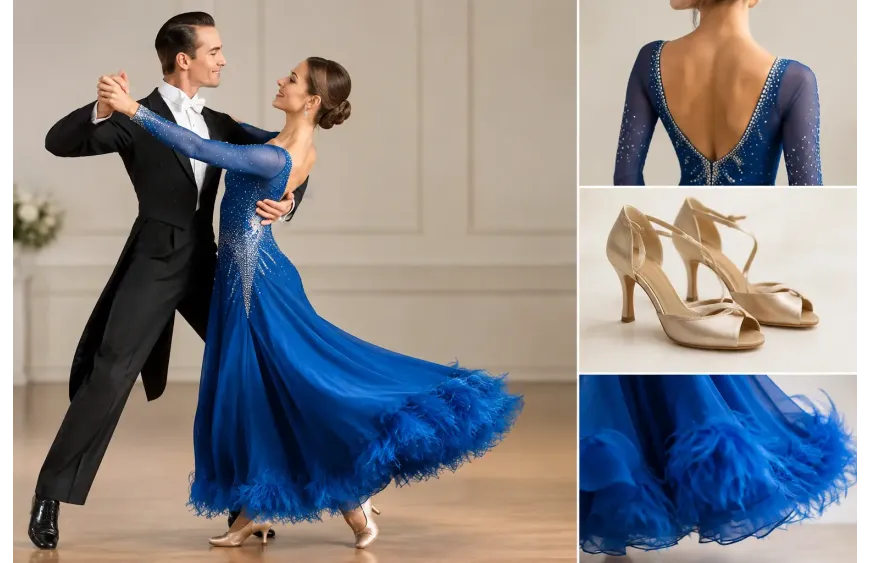
A showcase dress has to do two jobs at once: help you feel polished when the lights come up and let you dance without thinking about your clothing. The best dance dresses for Fred Astaire dance showcases and group classes balance presentation, comfort, and the movement your routine actually requires. A dress that looks beautiful standing still but twists, rides up, or restricts your frame can take attention away from a moment you have worked hard to prepare.
For dancers moving between weekly group lessons, private coaching, social events, and a showcase number, the answer is not always one dramatic costume. The right choice depends on the dance style, how much performance you have planned, your partner connection, and how confident you feel in the garment. Start with the movement, then choose the level of sparkle.
Best Dance Dresses for Fred Astaire Showcases
Showcases often include a broad range of ballroom, Latin, American smooth, salsa, and social dance styles. That variety is part of the fun, but it means a dress should support the personality and mechanics of your specific routine rather than follow one fixed rule.
For a Latin or rhythm number, look for a dance dress with a secure fitted bodice and a skirt designed to move. Fringe, layered mesh, asymmetric hems, and side slits can create wonderful action during cha-cha, rumba, samba, salsa, or bachata. The key is that embellishment should follow your movement, not fight it. Fringe that is too heavy can pull the dress down, while a skirt that is too short or loose may leave you adjusting it between steps.
For ballroom or American smooth, a longer skirt can create a more floating line through turns, promenades, and traveling patterns. A dress with stretch through the torso and shoulders is especially useful if you are dancing in a closed frame. Smooth fabrics, soft mesh overlays, and skirts with generous flare can look elegant without the weight and complexity of a full competition gown.
If your showcase routine blends styles or includes lifts, dips, fast direction changes, or theatrical choreography, prioritize security over decoration. Built-in bodysuits, supportive cups where needed, adjustable straps, and reliable closures are practical features. Test the dress with the same undergarments and dance shoes you will wear on performance day.
Let the routine set the level of drama
A first showcase does not require a heavily stoned, competition-level dress. A well-fitted Latin dress, elegant practice dress, or coordinated skirt and top can look completely appropriate on the floor. In fact, simpler styling often helps newer dancers feel more like themselves.
A more elaborate costume may be the right choice when the routine is theatrical, the event has a formal presentation feel, or you enjoy making a stronger visual statement. Just remember that stones, sequins, and large appliques add weight and require more care. They can be stunning under lights, but they are not automatically more comfortable or more flattering.
What to Wear to Group Dance Classes
Group classes call for a different standard. You need clothing that allows an instructor to see your posture and leg action while remaining comfortable for repeated turns, partner changes, and warm studio conditions. A full showcase dress is usually unnecessary for regular lessons, especially if it has delicate details or a long hem.
A knee-length or midi practice dress is a versatile option for many adult dancers. It gives you a clear sense of skirt movement while keeping you covered during spins and social dancing. Stretch knit, jersey, mesh, and lightweight performance fabrics are especially practical because they move with the body and are easier to care for than formal costume materials.
For Latin group classes, many dancers prefer a fitted top with a Latin skirt, dance shorts, or comfortable pants. This combination makes hip action easier to see and lets you adjust your outfit for the season. For ballroom and smooth classes, a flowing skirt or simple dress can help you practice how fabric responds to rotation and travel.
There is no need to dress identically to everyone in class. The goal is to wear something dance-specific enough to move well and make you feel prepared. Avoid overly loose streetwear that hides alignment, restrictive denim, or long casual dresses that can catch under your heel.
Fit Matters More Than the Size on the Label
Dance dresses should feel secure without feeling squeezed. A garment can look close-fitting on a hanger but still allow excellent movement when it is cut in stretch fabric and fitted correctly. Conversely, sizing down for a tighter look can limit breathing, interfere with arm styling, and make a dancer self-conscious.
Check the garment’s measurements rather than relying only on your usual clothing size. Bust, waist, hip, torso length, and shoulder placement all matter, particularly with bodysuit-based dresses and designs with fixed straps. If you are between sizes, the best choice depends on the fabric. A highly stretchy practice dress may allow more flexibility, while a lined performance dress with limited stretch may need more room.
Before removing tags, try the dress through real dance actions. Raise both arms, create your dance frame, rotate through a turn, take a large side step, and sit briefly. The neckline should stay in place, the hem should clear your knees when needed, and the waist should not roll or shift. If the dress includes a slit, make sure it opens where you want it to during movement.
Choose support that works with the dress
The wrong underlayer can change how a beautiful dress fits. For open-back, halter, one-shoulder, or mesh designs, consider the support requirements before you commit. Some dresses include cups or bodysuits, while others work best with a smooth dance undergarment or an appropriate strapless option.
For a showcase, do a full rehearsal in the complete outfit. That means dress, shoes, hosiery if you wear it, jewelry, hair accessories, and any shapewear. It is much easier to solve a strap, hem, or support issue in advance than backstage.
Fabric and Details That Perform Well
The best fabric is not always the shiniest one. Matte stretch fabrics can look sophisticated under stage lighting and tend to be forgiving for class wear. Mesh adds dimension and breathability, while chiffon and lightweight skirt overlays create graceful movement for smoother dances.
Fringe is made for action, but it should be applied securely and placed with intention. It can emphasize hip rhythm in Latin styles or add visual energy to even a simple routine. Sequins and stones catch the light beautifully, though they may be better reserved for performance than weekly classes. If you expect to wear a dress often, choose construction that can handle repeated movement and careful laundering.
Color should suit both your comfort level and the event setting. Jewel tones, rich black, deep red, cobalt, emerald, and vibrant Latin colors often read well from a distance. Lighter shades can be lovely for smooth or romantic choreography, but make sure the fabric is lined well enough for the lighting and movement involved. A color you enjoy wearing usually gives you more confidence than a trend you feel pressured to try.
Coordinate the Whole Look, Starting With Shoes
A dress can only perform as well as the shoes beneath it. Latin or rhythm routines typically call for flexible dance shoes that allow articulation and secure foot placement. Ballroom and smooth dancers often need a shoe with more stability for traveling and sustained partnership work. For group classes, a dedicated social or practice shoe can be more comfortable than saving a delicate performance pair for every lesson.
Keep the hem and heel height in conversation with each other. A longer skirt may need a higher hem allowance or a shorter heel to prevent stepping on the fabric. Bring your dance shoes when trying on a showcase dress, and practice your turns on a clean surface before the event.
Finish with accessories that support the costume rather than compete with it. Earrings, hair pieces, bracelets, and a coordinated cover-up can complete the presentation, but nothing should snag your partner, catch on mesh, or distract you from your lead and follow.
For dancers in the Toronto and GTA area who want a second opinion, Dancewear Champions can help narrow the choices by dance style, fit needs, and the level of formality you want for the floor. A dress should make getting ready easier, not add one more thing to worry about.
Your showcase outfit does not need to make you look like someone else. Choose the dress that lets you breathe, move fully, and step onto the floor feeling ready to share the dance.
Tags Fred Astaire, Fred Astaire, Fred Astaire dance showcases, Fred Astaire group classes, Fred Astaire dancewear, Fred Astaire practice wear,
Related Products

IDS - Contra Pro - Black Patent - 1 inch
$268.00CAD

Ballroom Dress 02
$300.00CAD

Sale
Latin Dress 40
$250.00CAD $170.00CAD

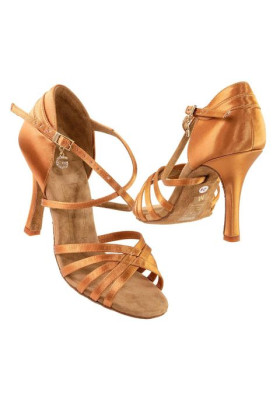
Galex - Emma - Tan-Satin - Heel - Slim 8cm
$238.00CAD
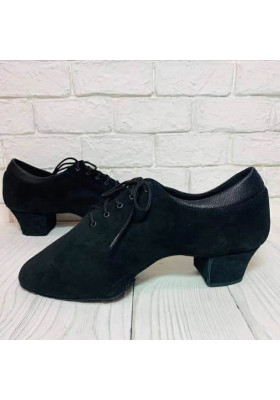
Galex - Black Nubuck - Heel 4cm
$250.00CAD