


- 28 September, 2026
- 17
- 0
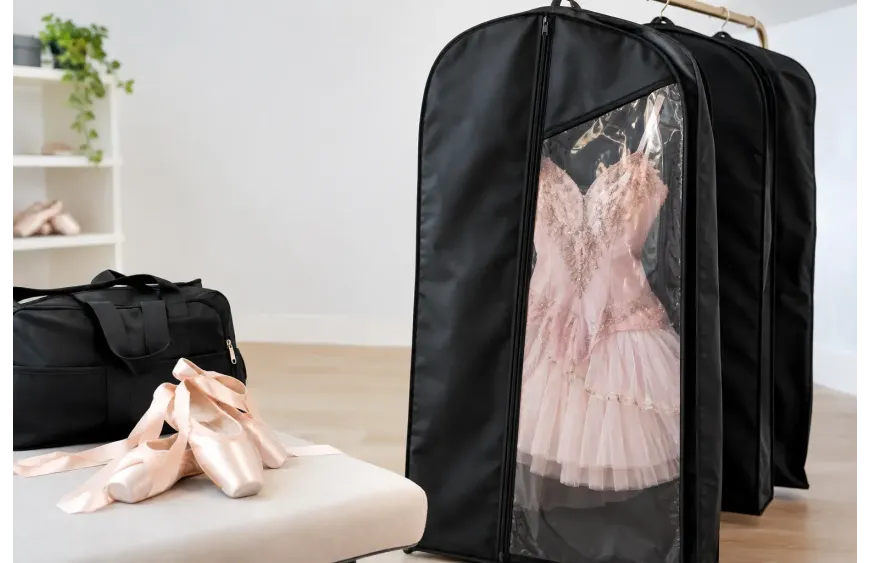
A rhinestoned Latin dress can catch on almost anything. A ballroom gown can lose its shape after one crowded car ride. Even a simple practice skirt looks less polished when it arrives crushed at the bottom of a tote. Dance garment bags give performance clothing its own protected space, whether you are headed to weekly lessons, a showcase, a recital, or a DanceSport competition.
They are not all the same, though. The right choice depends on the garment, how you travel, and whether you need room for one outfit or an entire day of costume changes. A bag that works beautifully for a short youth dress may be frustrating for a full-length standard gown with floats, layers, and accessories.
Why Dance Garment Bags Matter
Dancewear is designed to move, but many performance pieces need careful handling when they are not on the dance floor. Stretch fabrics can snag, mesh can catch, feathers can flatten, and stones may be damaged by friction against shoes, jewelry, or zippers. Keeping each garment in a dedicated bag reduces those everyday risks.
There is also the practical benefit of organization. When a competition morning is busy, it helps to know that a dress, cover-up, tights, and the accessories needed for that look are together. Parents preparing a young dancer for a recital can use garment bags to separate costumes by routine. Adult dancers can keep a Latin outfit apart from a ballroom gown or teaching clothes, rather than sorting through a shared duffel bag between heats.
A garment bag will not replace proper costume storage at home, especially for delicate or heavily embellished pieces. It does, however, make transport safer and getting ready faster.
Choosing the Right Size for Your Dancewear
Length is the first detail to consider. The bag should be long enough that the hem is not sharply folded or pressed into the bottom. This matters most for ballroom and American smooth dresses, which may include long skirts, layered fabric, floats, or train details. A bag that is too short can create stubborn creases and put pressure on delicate embellishment.
For Latin dresses, salsa outfits, practice skirts, men’s shirts, and youth costumes, a shorter garment bag may be easier to carry and store. The goal is still the same: the garment should hang freely without being crammed into the base of the bag.
Width and depth matter as much as length. A fitted dress can sit comfortably in a slim bag, while a voluminous gown needs breathing room. If multiple outfits must travel together, choose a design with enough capacity to prevent stones, fringe, or fabric layers from rubbing against one another. Overfilling any garment bag defeats much of its purpose.
If you are shopping for a child who is still growing, it can be sensible to choose a slightly longer option that will work for several seasons. Just make sure the extra length does not drag on the floor when they carry it.
Full-Length Gowns Need Extra Care
For competition ballroom gowns, avoid folding the skirt unless travel arrangements make it unavoidable. A full-length bag lets the gown hang naturally and helps preserve the line of the skirt. Before placing the dress inside, fasten hooks, zippers, and any closures that could catch on fabric. If the gown has removable floats or accessories, protect them separately rather than letting them tangle around the bodice.
For car travel, lay the bag carefully across a clean rear seat or hang it from a secure hook if there is sufficient clearance. Do not place heavy shoe bags, makeup cases, or coats on top of it.
Features That Make a Difference
A basic zippered cover can be enough for occasional use, but dancers who travel regularly will appreciate a few useful details. Look for a sturdy zipper that moves smoothly and does not catch lightweight fabrics. Clear identification windows are helpful when several dancers or costumes are traveling together, particularly at recitals and competitions.
Handles make a noticeable difference when moving from parking lot to studio, venue, or hotel. Some garment bags fold for easier carrying, which is useful for compact travel, but folding is not ideal for every costume. It works best for durable practicewear, men’s dance apparel, and simpler garments. Be more cautious with crystal-covered dresses, layered gowns, and anything with feathers or fragile trim.
Pockets can be convenient for small essentials such as hair accessories, dance belts, tights, garment tape, or a costume list. Keep hard or sharp items, including pins and jewelry, in a separate protective pouch. A pocket is not a reason to let accessories sit loose against a delicate dress.
Breathable materials are generally a smart choice for regular storage and transport. After a long event, never seal a damp or sweaty costume away without allowing it to air out first. Moisture and body oils can affect fabrics and adhesives, while trapped odor is much harder to remove later.
Pack Shoes and Accessories Separately
Dance shoes belong close at hand, but not directly against your dress. Heel buckles, suede soles, and rhinestone details can all cause unexpected damage. Use a dedicated shoe bag or separate compartment, especially after a competition when soles may carry dust or floor residue.
The same rule applies to makeup, tanning products, hair spray, and costume jewelry. These are all necessary parts of many performance days, yet they can stain fabric or press into a garment during transit. Think of your garment bag as the protected zone for clothing, not the place to store everything you own.
For a multi-look event, organize each costume with its matching undergarments and cover-up, then keep shoes, beauty supplies, and snacks in another bag. This simple separation makes quick changes less stressful and protects the items that took the most effort to select and prepare.
Using Dance Garment Bags for Practice and Teaching
Garment bags are not reserved for competition gowns. A dancer who goes directly from work to a social, class, or teaching session may want to keep practice clothing clean and wrinkle-free throughout the day. A change of dance pants, a skirt, a bodysuit, or a men’s dance shirt can stay neatly organized rather than being folded into a backpack with everyday belongings.
Teachers may also find them useful for transporting demonstration outfits, spare apparel, or costume pieces for students. For young dancers, a labeled garment bag helps build independence. They can learn to check that their costume, tights, and required accessories are ready before leaving home.
The level of protection should match the garment. A simple cotton warm-up layer does not need the same careful handling as a competition dress, but giving each item an appropriate place keeps your dance life more organized.
Care Tips Before and After an Event
Before packing, inspect the garment under good light. Check for loose stones, open hooks, makeup marks, or hems that need attention. Make small repairs before travel whenever possible, since a loose embellishment can catch and pull more fabric while the dress is in motion.
After the event, take the garment out of its bag as soon as you are home. Hang it properly, let it air out, and follow its care instructions. Do not leave it compressed in a car overnight or tucked into a closed bag until the next lesson. This is especially important for pieces with stretch mesh, glued stones, sequins, or feather trim.
If you use a garment bag often, wipe down its exterior and periodically check the zipper, handles, and seams. A damaged zipper can snag fabric at exactly the wrong moment. It is also worth keeping a spare bag available during busy recital or competition periods, when one garment may need to travel while another is airing out or being repaired.
Build a Better Dance-Day Routine
The best dance garment bags fit into a routine rather than becoming one more thing to manage. Assign each bag a purpose, label it when needed, and pack it the night before. For families, placing a printed checklist in an outer pocket can prevent forgotten tights or costume accessories. For competitors, organize each look in the order it will be worn.
Dancewear Champions can help Toronto-area dancers and families choose accessories that suit their dancewear, travel habits, and performance needs. A little preparation protects the garments you love and lets you arrive focused on your dancing, not on a last-minute search for a missing costume piece.
Related Products
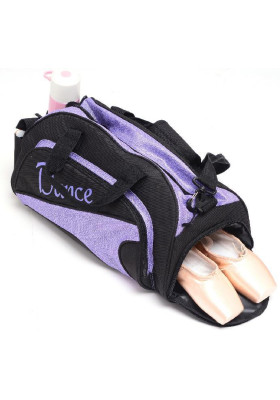
Dance Bag 01
$45.00CAD
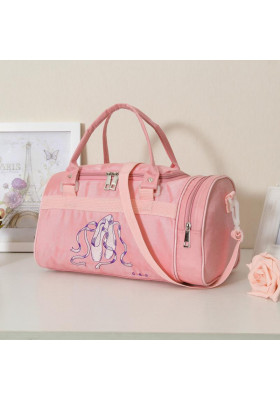
Dance Bag 02
$25.00CAD
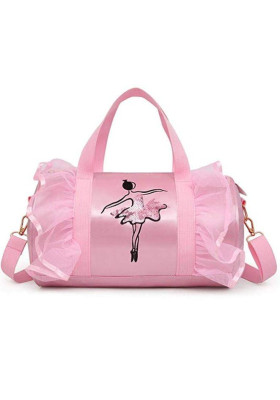
Dance Bag 03
$25.00CAD
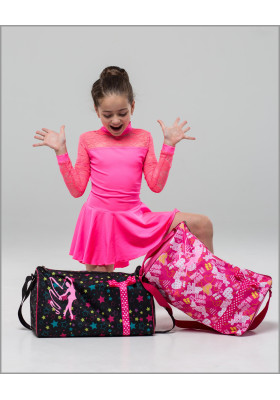
Dance Bag 04
$50.00CAD
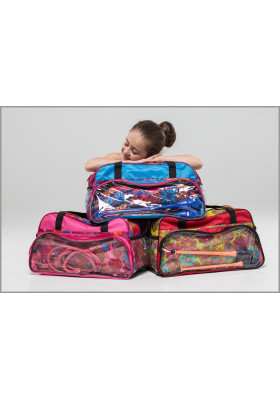
Dance Bag 05
$60.00CAD
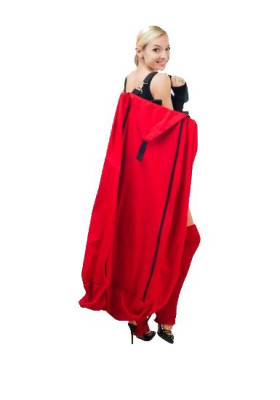
Dance Wear Covers 01
$80.00CAD