

- 05 October, 2026
- 13
- 0
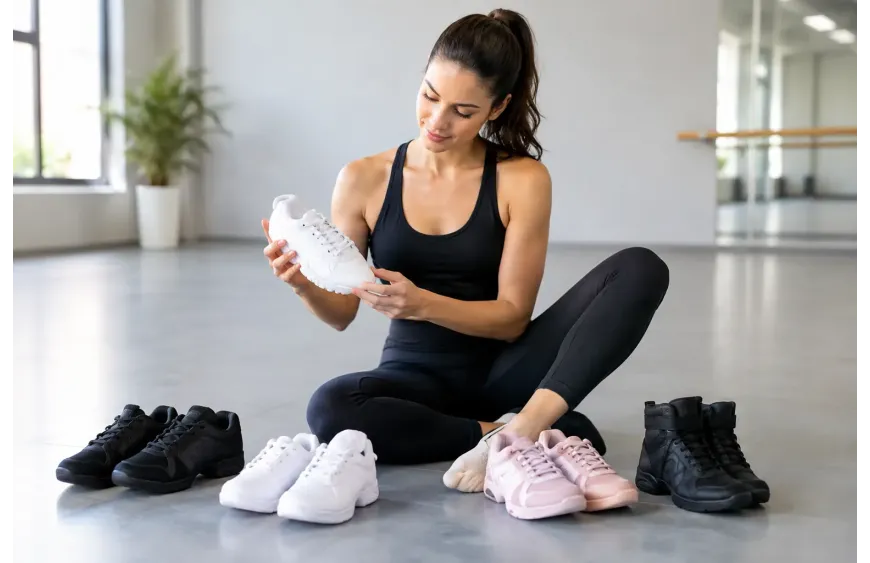
A dance sneaker can make a long practice session feel lighter - or leave your feet fighting the floor. That is why dance sneaker reviews are most useful when they describe how a shoe moves, turns, and holds up in real classes, not simply whether it looks good out of the box. The right pair depends on your dance style, your usual floor, and how much support your feet need.
For dancers who spend hours in studio classes, teaching, rehearsing, or attending social events, a purpose-built dance sneaker can be a practical addition to the shoe bag. It is not automatically the right shoe for every discipline, though. Ballroom and Latin dancers, in particular, should understand where a sneaker helps and where a traditional dance shoe remains the better choice.
What Dance Sneaker Reviews Can Tell You
The most valuable reviews explain the conditions in which the dancer wore the shoe. A review from someone taking fitness-based dance classes may be very positive about cushioning and traction, while a Latin dancer may need more information about pivots, flexibility, and connection to the floor. Neither opinion is wrong. They are simply evaluating the shoe for different work.
Look for details rather than general statements such as “comfortable” or “great support.” Helpful reviewers mention whether the shoe felt narrow through the toe box, whether the heel stayed secure during quick direction changes, and whether the sole allowed easy turns without feeling unstable. They may also say whether the shoe needed a break-in period or felt ready for class immediately.
A single review should not decide your purchase. Repeated comments are more meaningful. If several dancers describe a shoe as running short, feeling firm under the ball of the foot, or wearing well after frequent classes, that pattern is worth considering alongside the brand’s size chart.
Read Reviews Through Your Own Dance Needs
Start by asking where you will wear the shoe most often. A sneaker for a dance fitness class, hip-hop class, or rehearsal may prioritize shock absorption and a supportive upper. A shoe for jazz, theater rehearsal, or teaching may need a lower profile and a sole that lets you articulate the foot more clearly.
For ballroom, salsa, bachata, and Latin practice, the question is more specific: can you pivot comfortably without grabbing the floor? A standard athletic sneaker can stop too abruptly on many studio surfaces. That can make turns feel difficult and place unwanted twisting force through the knees. Dance sneakers are often designed with split soles or strategically placed pivot areas to encourage controlled rotation.
Still, a sneaker does not reproduce the feeling of a suede-soled ballroom or Latin shoe. If you are preparing for a competition, showcase, or formal social event, practice in the shoes that match your performance footwear whenever possible. The height, balance, foot pressure, and floor response will be different.
Sole Design Matters More Than the Color
The sole is usually the first feature to examine in dance sneaker reviews. It affects how confidently you travel, turn, stop, and shift weight. Many dance sneakers use a split sole, with separate sections under the forefoot and heel. This design can make it easier to point the foot, roll through movement, and maintain flexibility.
A pivot point or smoother turning zone under the ball of the foot is especially helpful for dancers who rotate frequently. It should reduce excessive sticking without making the shoe feel slippery. The ideal amount of grip depends on the floor. A sneaker that feels perfect on a smooth wood floor may respond differently on vinyl, marley, or a textured community-hall surface.
Pay attention to reviews that mention the shoe’s grip after several wears. Some soles feel tackier when new and become more balanced with use. Others may collect dust quickly, which changes how they behave in class. A quick sole wipe may help between dances, but the shoe should not require constant attention just to feel predictable.
Cushioning, Support, and Floor Feel
Cushioning is a welcome feature for dancers who are on their feet all day, especially teachers, parents waiting through long rehearsal blocks, and adults returning to dance after time away. Good cushioning can lessen fatigue during jumps, traveling combinations, and extended practice.
More cushioning is not always better. A very thick or soft sole can separate you from the floor and make weight changes feel less precise. Dancers who rely on quick footwork often prefer a responsive shoe that protects the foot without feeling bulky. Reviews that describe the shoe as “light” can be useful, but check whether the writer also comments on stability and durability.
Arch support is equally personal. Some dancers want noticeable support for long days, while others find a highly shaped footbed restrictive. If you use orthotics or have a specific fit concern, choose a sneaker with enough interior space and a removable insole when possible. A shoe that fits well around the heel and midfoot but crowds the toes will become distracting quickly.
A Secure Heel Makes a Difference
A dance sneaker should feel held at the heel without rubbing or pinching. Heel lift can reduce confidence during backward steps, fast chassés, or turns. It may also cause friction that becomes uncomfortable during a full class.
When reading reviews, separate comments about heel security from comments about ankle height. A high-top style can feel supportive, but it does not automatically provide better control. Some dancers prefer a low-cut sneaker because it allows freer ankle movement. Others appreciate extra coverage for rehearsals or street-to-studio wear. The best choice comes down to your movement style and personal comfort.
Fit Is Not Just About Length
Dance sneakers need enough room for natural toe spread, particularly when you are taking weight through the ball of the foot or landing from jumps. At the same time, too much space inside the shoe can make the foot slide forward on turns. Reviews that mention width, instep height, and toe-box shape are often more useful than a simple size recommendation.
Try shoes on later in the day if possible, when feet are more likely to be slightly swollen from activity. Wear the socks or foot liners you would normally use for class. Walk, rise onto the balls of your feet, make a few controlled pivots, and check whether the shoe stays centered under your foot.
For online orders, measure both feet and use the available size chart rather than assuming your usual street-shoe size will transfer. Dance footwear can fit differently by style and construction. If your feet are different sizes, fit the larger foot and adjust the smaller side only if needed for security.
When a Dance Sneaker Is the Right Choice
Dance sneakers are especially useful for practice, teaching, youth classes, fitness-focused dance, rehearsals, and situations where you need comfort and support over many hours. They can also be a sensible transition shoe for beginners who are not yet ready for a specialized heeled ballroom or Latin style.
They are less suitable when a specific dance requires a traditional sole, a particular heel height, or a polished performance presentation. A ballroom dancer practicing frame and foot placement in sneakers may gain comfort, but should also spend time in proper ballroom shoes. A Latin dancer working on spins and precise foot pressure will usually need regular practice in Latin shoes as well.
At Dancewear Champions, proper shoe selection starts with the way you actually dance, not with a one-size-fits-all recommendation. The most useful review is the one that helps you ask better questions about fit, floor, flexibility, and purpose. Choose the sneaker that supports your training, then let your technique do the talking.
Related Products
Sale
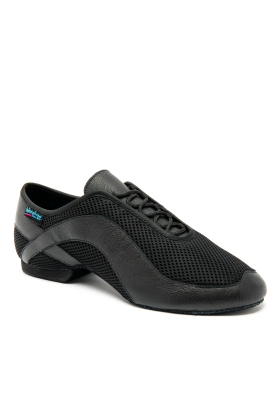
IDS - JAZZ - AIRMESH/BLACK
$198.00CAD $168.00CAD
Sale
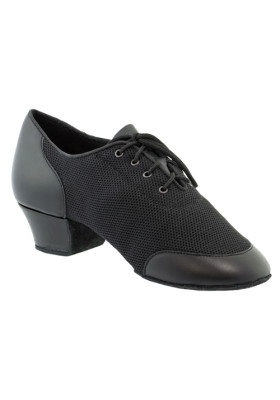
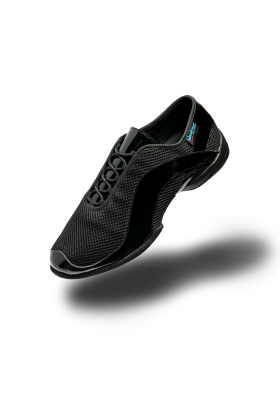
IDS - TEMPO - AIRMESH/BLACK PATENT
$229.00CAD $200.00CAD

Galex - Practica - Heel 2cm
$250.00CAD