


- 17 November, 2026
- 9
- 0
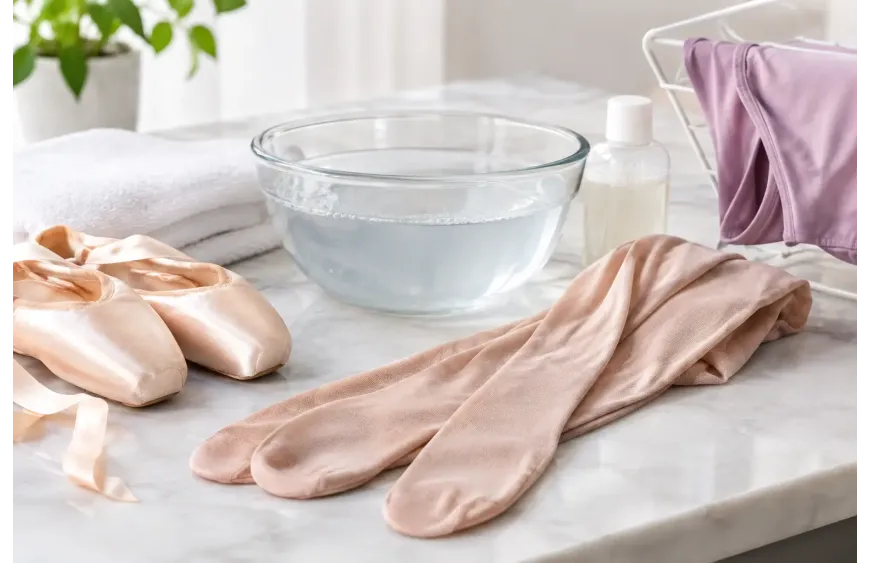
A run in the toe, a waistband that has lost its stretch, or tights that look gray after only a few wears can distract from an otherwise polished dance look. Learning how to wash dance tights properly is one of the simplest ways to protect a dancer's wardrobe, whether they wear ballet pink, black practice tights, fishnets for Latin, or skin-tone styles for competition.
Dance tights are delicate by design. They need enough stretch for pointed feet, deep lunges, turns, and long rehearsal days, but that same fine knit can be damaged by heat, rough fabrics, and rushed laundry habits. A little care keeps them comfortable, presentable, and ready for the next class, social dance, showcase, or competition.
Check the Label Before You Wash Dance Tights
The care label inside the package or attached to the tights should always have the final word. Most dance tights contain nylon or microfiber blended with spandex or elastane. These fibers are strong when worn, but heat and harsh chemicals can weaken the elastic content over time.
Some styles, especially theatrical fishnets, convertible tights, and tights with a shimmer or special finish, may have different instructions than everyday ballet tights. If the label calls for hand washing, treat that as a requirement rather than a suggestion. It is particularly wise for competition tights, which need to look smooth and even under bright lights.
Before washing, turn tights inside out. This helps protect the outer surface from friction and keeps body oils, deodorant residue, and makeup closer to the water and detergent. If a pair has a small snag, avoid pulling at it. A gentle hand wash may prevent it from becoming a larger run.
The Best Method: Hand Wash in Cool Water
Hand washing is the safest option for nearly every type of dance tights. It takes only a few minutes and is especially worthwhile for pairs you use for performances, exams, photos, or competitions.
Fill a clean sink or basin with cool to lukewarm water. Hot water may feel more effective, but it can reduce elasticity and cause delicate fibers to break down sooner. Add a small amount of mild detergent made for delicate fabrics. You do not need much - excess detergent can be difficult to rinse out and may leave tights feeling less soft.
Place the tights in the water and gently press them under the surface. Swish them slowly for a minute or two, paying extra attention to the foot area, gusset, and waistband. Do not scrub, twist, or rub the fabric against itself. Those actions can create pilling and put stress on the knit.
Let the tights soak for about five to ten minutes if they need a little extra freshening. Then drain the soapy water and refill the basin with cool, clean water. Rinse by gently moving the tights through the water until no suds remain. If needed, repeat the rinse rather than using stronger detergent.
Can Dance Tights Go in the Washing Machine?
Machine washing can work for durable everyday tights when hand washing is not realistic, but it comes with more risk. This may be a practical choice for families washing several pairs after weekly ballet classes or for dancers who wear tights often during training. The key is reducing friction, heat, and tangling.
Turn every pair inside out and place them in a fine-mesh laundry bag. Wash only with similarly lightweight items, such as leotards, soft dance tops, or other delicate garments. Never add towels, jeans, dance shoes, or clothing with hooks, zippers, rhinestones, or rough seams. A single zipper can snag a pair of tights beyond repair.
Use the delicate or gentle cycle, cold water, and a small amount of mild detergent. Skip fabric softener. It can leave a coating on synthetic fibers that affects breathability and may make tights feel slippery or less resilient. Bleach is also best avoided, even on white or pink tights, because it can yellow synthetic fabric and weaken the fibers.
For fishnet tights, tights with decorative seams, and any pair reserved for stage wear, hand washing remains the better choice. Machine washing is a convenience for basic practice pairs, not the ideal routine for every style.
Drying Is Where Most Damage Happens
Never put dance tights in a tumble dryer unless the manufacturer specifically says it is safe. Dryer heat is one of the fastest ways to shorten the life of spandex-based apparel. It can cause tights to lose recovery, meaning they may sag at the knees, ankles, or waistband instead of returning to their original shape.
After washing, do not wring the tights out. Hold the garment loosely and press out excess water, then lay it flat on a clean, dry towel. Roll the towel and tights together gently to absorb more moisture. Unroll them and lay the tights flat on another towel or a drying rack away from direct sunlight, radiators, and heating vents.
Hanging wet tights by the waistband can stretch them, particularly when the fabric is saturated. Flat drying helps them keep their shape and prevents the legs from drying unevenly. They usually dry quickly, so planning ahead makes air drying easy even during a busy dance week.
How Often Should Dancers Wash Their Tights?
For hygiene and comfort, tights worn directly against the skin should generally be washed after every use. This matters even more after a warm studio class, an intense Latin practice, or a long competition day. Sweat, body oils, and lotions can build up in the fibers and make tights less fresh, less comfortable, and more likely to discolor.
There are exceptions. If a dancer wears tights briefly over clean underwear for a fitting or costume check, they may not need immediate laundering. Still, for regular wear, washing after each use is the most reliable standard.
It helps to have more than one pair in rotation. Young dancers often need a backup pair in their dance bag, while competitive dancers may want separate tights for practice, travel, and the floor. Rotating pairs means no one has to rely on a hurried wash-and-dry cycle the night before an event.
Removing Makeup, Rosin, and Stubborn Marks
Treat stains before washing, but be gentle. For foundation or stage makeup, dab the affected area with a small amount of mild detergent mixed with cool water. Work from the outside of the mark toward the center using your fingertips. Avoid aggressive rubbing, which can spread the stain and roughen the fabric.
For marks from a dance floor, try soaking the tights first. If a stain remains, use a delicate-fabric stain treatment only after checking that it is suitable for nylon and spandex. Test it on an inconspicuous area whenever possible. Strong stain removers may solve one problem while causing fading, thinning, or a patchy finish.
Rosin and other sticky residue can be difficult to remove. Let any loose particles dry, then gently shake them out before washing. Do not scrape with a sharp tool. If the tights are part of a performance costume or have an unusual finish, professional guidance from the garment maker may be safer than experimenting with treatments.
Smart Storage Between Classes and Performances
Clean, fully dry tights should be folded loosely and stored away from rough accessories, costume stones, and Velcro. A separate pouch in a dance bag prevents them from catching on hairpins, shoe buckles, or the edges of a makeup case. Keeping performance tights in their own labeled bag also makes it easier to find the right shade when a competition morning is busy.
Avoid leaving tights in a hot car, damp gym bag, or tightly packed bundle for long periods. Moisture and heat are hard on elastic fibers, and a forgotten pair can develop odors that are harder to wash out later.
Well-cared-for tights will not last forever - the fine knit is meant to move with the body, not withstand endless abrasion. But cool water, mild detergent, flat drying, and a spare pair in the bag can make every pair look better for longer. When your tights feel smooth, fit securely, and match the demands of your dance style, you can give your attention to the movement rather than your wardrobe.
Tags How to Wash Dance Tights, Dance Tights, How to Wash Dancewear, Dancewear