


- 05 October, 2026
- 13
- 0
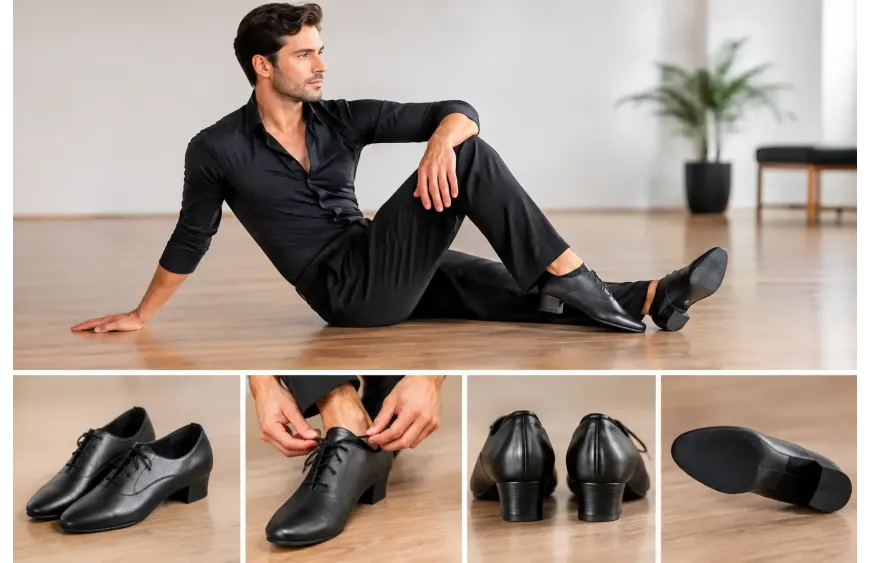
A fast cha-cha lockstep, a grounded rumba walk, or a sharp samba action all ask more from footwear than an ordinary dress shoe can provide. The right men’s professional Latin dance shoes help the foot articulate, keep turns controlled, and support the clean leg action that makes Latin dancing look effortless. They should feel secure from the first step, not stiff, slippery, or heavy.
For men dancing salsa, bachata, cha-cha, rumba, samba, jive, or competitive Latin, shoe choice affects both comfort and technique. The best pair depends on where and how often you dance, your foot shape, and whether you need an all-purpose practice shoe or a performance-focused competition style.
What Makes Men’s Latin Dance Shoes Different?
Latin shoes are built for mobility. Compared with standard ballroom shoes, they usually have a more flexible sole and a lower, closer-to-the-floor profile. This lets the dancer point the foot, use the ball of the foot clearly, and create the pressure changes needed for Cuban motion and quick directional changes.
Most quality Latin shoes use a suede outsole. Suede provides controlled slide on a proper dance floor: enough grip to push through a step, with enough freedom to turn without twisting the knee. Street shoes tend to grip too much, while smooth leather soles can be unpredictable depending on the floor. A suede sole is one of the clearest signs that a shoe is made for dance rather than simply styled like a dress shoe.
The upper matters just as much. Leather molds gradually to the foot and is a classic choice for durability and polish. Satin or fabric options may suit a particular costume or performance look, while breathable practice styles can be more comfortable during long lessons. The correct material is not universal. A dancer who trains several nights a week may prioritize ventilation and flexibility, while a competitor may prefer the refined finish and close fit of a traditional leather shoe.
Choosing Men’s Professional Latin Dance Shoes by Use
The word “professional” can mean different things to different dancers. It does not always mean that a shoe is only for advanced competitors. It generally refers to a more dance-specific construction: responsive suede soles, secure uppers, purposeful balance, and the refined appearance expected for performances and competition.
For social dancing and beginner lessons
A first pair should make dancing feel easier, not intimidating. Look for a shoe with a secure lace-up design, a stable low heel, and enough forefoot room for natural toe spread. A closed-toe Latin shoe is often a sensible starting point because it works for classes, social dance nights, and basic technique practice.
Beginners sometimes buy shoes too large because they expect thick socks or worry about a close fit. Dance shoes should fit more closely than everyday footwear. They should not pinch, but there should be very little empty space at the toe or heel. Excess room allows the foot to slide inside the shoe, which reduces control and can lead to blisters.
For regular practice and teaching
Dancers who spend hours on the floor need a balance of support and flexibility. A practice-focused Latin shoe may have a slightly more supportive feel than a competition shoe, with an upper that holds its shape through repeated wear. This can be a good choice for instructors, social dancers who attend several events each month, and students building stamina before a showcase.
If you practice on different surfaces, keep in mind that suede soles are designed for dance floors, not wet pavement, rough concrete, or outdoor patios. Wearing them outside compresses and damages the nap of the suede quickly. Change into dance shoes at the studio or venue, and carry them in a shoe bag to protect both the soles and your dancewear.
For showcases and competition
Competition and showcase shoes need to complement the line of the leg and stay dependable under pressure. Traditional black leather Latin shoes remain a strong choice because they look clean under lights and pair easily with formal Latin pants, shirts, and costumes. A well-fitted shoe also allows a dancer to finish movement through the ankle and ball of the foot without the upper buckling or shifting.
Heel height deserves attention here. Men’s Latin heels are generally higher than standard ballroom heels, often around one to one and a half inches, though the precise height and shape vary by style. The raised heel supports the forward, ball-of-foot orientation common in Latin technique. However, higher is not automatically better. A dancer new to Latin heels may benefit from a lower or broader option while developing ankle strength and balance.
How a Proper Latin Shoe Should Fit
Fit is the deciding factor, even when two shoes appear nearly identical. Start by trying shoes on when your feet are warm, ideally after some walking or dancing. Feet can swell slightly over the day, and a fit that feels perfect first thing in the morning may become tight after a lesson.
Your heel should sit firmly in place. A small amount of initial snugness in a leather upper is normal because leather can soften and shape to the foot. Heel lift, however, is not something to “break in.” If the heel moves noticeably as you walk or rise onto the ball of the foot, the shoe is likely too large or not the right shape for your foot.
At the front, toes should lie flat without curling. The longest toe should be close to the end of the shoe but not pressed against it. Check the width through the ball of the foot as well. A narrow shoe may feel sleek at first but can numb the toes during a long practice. A shoe that is too wide loses the close connection that helps a dancer control weight changes and spins.
Laces should adjust the shoe across the instep without creating painful pressure. If you have a high instep, a style with greater adjustability may serve you better than forcing your foot into a low-cut shape. This is one reason personal fitting can be valuable, especially when you are buying your first serious pair or changing brands.
The Sole Needs Care, Too
Suede soles perform best when they are clean and textured. Over time, floor wax, dust, and compressed fibers can make them either too slippery or too smooth. A dance shoe brush restores the suede nap and helps maintain more consistent traction. Brush the sole before a practice session or event, using firm strokes while keeping the shoe away from delicate garments.
Do not treat suede soles like outdoor footwear. Water, grit, and oils can alter how they move across the floor. Keep shoes dry, store them away from direct heat, and avoid leaving them in a tightly closed bag after a long class. Letting them air out helps preserve the upper and keeps them more comfortable for the next session.
When to Replace Your Dance Shoes
A good pair can last through many practices and events, but no dance shoe lasts forever. Watch for a sole that no longer brushes up evenly, a heel that has worn down at an angle, loose stitching, or an upper that has stretched beyond a secure fit. If turns suddenly feel inconsistent, inspect the soles before assuming your technique has changed.
Serious dancers often keep more than one pair. One may be reserved for competition or performances, while another handles daily training. This reduces wear on the presentation pair and means you are less likely to arrive at an event with a damaged heel or overly slick sole.
For dancers in Toronto, Thornhill, and the GTA, trying on several shapes with knowledgeable fit guidance can save the frustration of repeated online returns. Dancewear Champions can help identify the feel and structure that suit your dance goals, whether you are preparing for your first salsa class or refining a competition routine.
The right shoe should fade into the background once the music starts. When your feet feel supported, responsive, and free to move, your attention can stay where it belongs: on timing, connection, and enjoying every count.
Tags men’s professional Latin dance shoes, professional Latin dance shoes, men’s Latin dance shoes, Latin dance shoes, dance shoes
Related Products
Sale
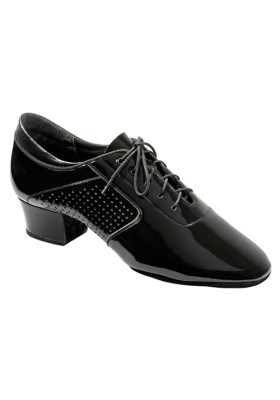
Galex - Flexi - Latin - Black Patent - Heel 4cm
$225.00CAD $185.00CAD
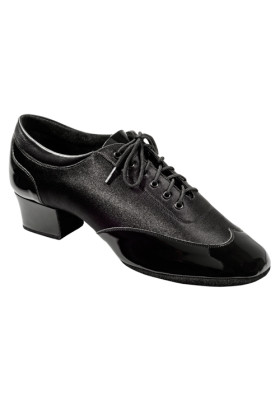
Galex - Edvard - Black Patent - Heel 4cm
$250.00CAD
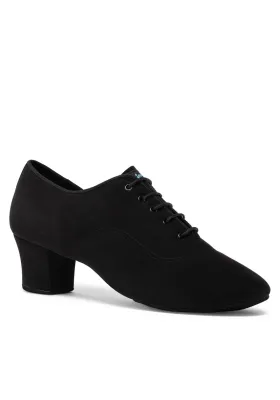
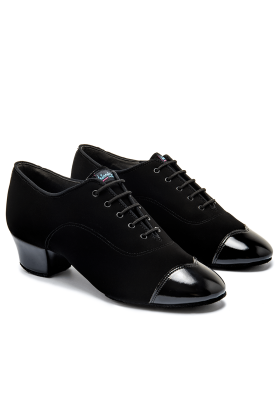
IDS - Rumba - Black Nubuck - 1.5" Heel
$274.00CAD
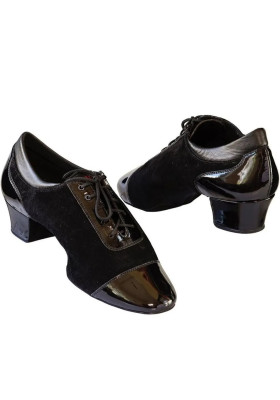
Galex - Leather - Black Nubuck - Heel 4cm
$248.00CAD
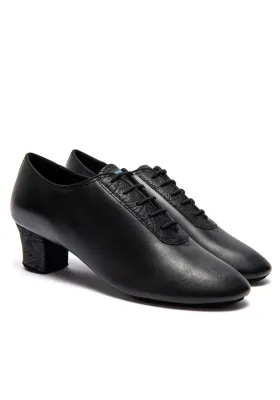
IDS - F33-BLACK CALF/BLACK FIORI -1.5" heel
$274.00CAD
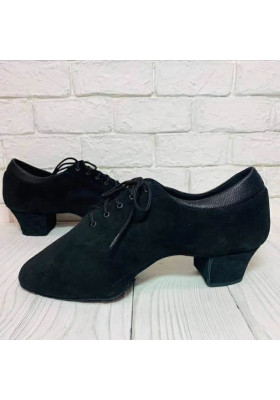
Galex - Black Nubuck - Heel 4cm
$250.00CAD
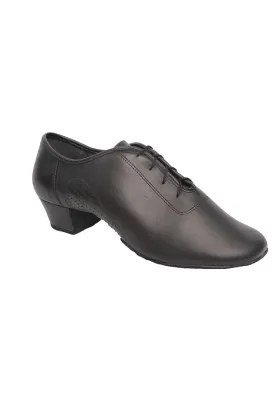
Galex - Latin - Leather - Heel 4cm
$248.00CAD