


- 20 November, 2026
- 21
- 0
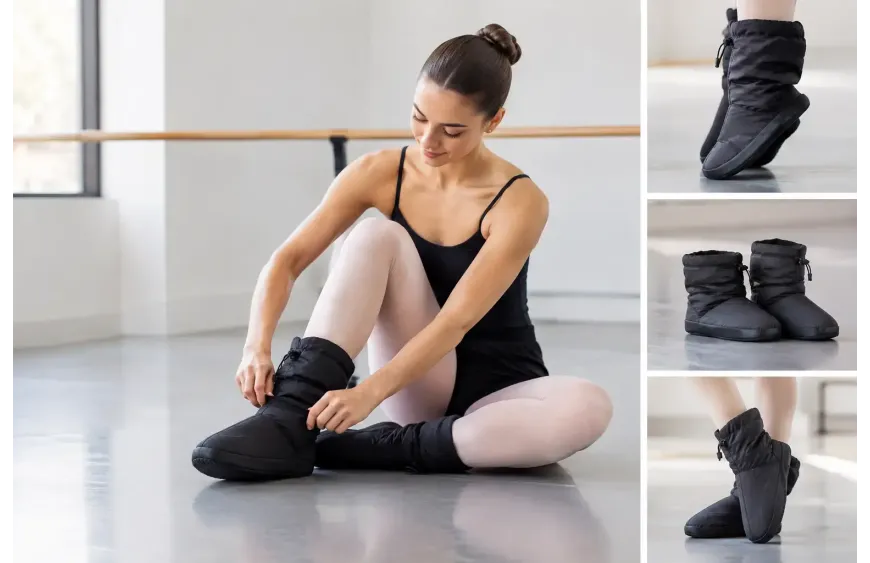
A good warmup boot review starts with the question dancers actually ask in the colder months: will these keep my feet warm without making the trip from lobby to studio feel clumsy? For ballet dancers, ballroom students, teachers, and parents waiting between classes, warmup boots can be a practical layer that helps feet feel comfortable before movement begins. They are not a replacement for proper dance shoes, but they can earn a permanent place in a dance bag when chosen for the right use.
Warmup boots are often recognized by their padded, quilted look and soft, flexible construction. They are made to slip over bare feet, socks, tights, or sometimes dance shoes, depending on the design. The appeal is simple: keep the feet and ankles insulated while traveling around the studio, waiting for a class to start, or taking a break between rehearsals.
Warmup Boot Review: What They Do Well
The biggest strength of a warmup boot is comfort. A padded upper helps hold warmth around the foot and ankle, which can be especially welcome in a cool dance studio or during a Canadian winter commute. Dancers who arrive early for class or spend long days at conventions often appreciate having something warmer than socks but less restrictive than outdoor footwear.
They are also easy to put on. Many styles have an adjustable toggle, elastic opening, or secure strap that lets dancers get in and out quickly without untying laces. That matters when changing from street shoes to dance shoes in a busy dressing area, or when a young dancer needs a layer they can manage independently.
For ballet students, warmup boots can be particularly useful before barre. Feet that feel cold and stiff may take longer to feel ready for pointing, articulating, and rolling through demi-pointe. The boot does not perform the warmup for you, of course, but it can help maintain warmth while the body gets moving. This is also why they are popular during rehearsals with breaks: dancers can cover their feet rather than letting them cool down between runs.
Ballroom and Latin dancers can benefit too, although their use is slightly different. A dancer may wear warmup boots while traveling to a lesson, waiting at a competition venue, or practicing stretches before changing into Latin sandals or ballroom shoes. Since ballroom footwear needs a secure, precise fit, it is generally best to remove the warmup boots before any actual dancing begins.
The Fit Matters More Than the Fluff
A warmup boot should feel roomy, not loose. There needs to be enough space for tights or thicker socks, but the foot should not slide forward inside the boot. Excess movement can make walking awkward and may cause the heel to lift. If the boots are designed to go over dance shoes, check that the brand specifically allows for that extra volume.
Pay close attention to the ankle opening. A snug adjustable cuff helps hold warmth in and prevents the boot from slipping off, especially on smaller feet. At the same time, it should not feel tight around the ankle or leave deep marks after a short wear. For dancers with fuller calves or ankles, an adjustable style is often more comfortable than a narrow pull-on opening.
Length is equally important. Toes should not press against the front, even when the dancer flexes the foot. A little extra room is helpful for warmth, but sizing up too far can create a tripping risk. Parents buying for growing children may be tempted to purchase very large boots for future use. A modest amount of growing room is reasonable, but a boot that cannot stay securely on the foot is not a practical choice.
Soft Soles Have Limits
This is the trade-off every warmup boot buyer should understand. Most dance warmup boots have lightweight, flexible soles intended for indoor use. They may provide some grip on clean studio floors, but they are not outdoor winter boots. Wet pavement, salted sidewalks, slush, and rough parking lots can quickly wear down the sole and bring moisture into the fabric.
Think of them as an indoor layer, similar to a dance sweater or leg warmers. Wear regular outdoor shoes or boots for the journey to the studio, then change into warmup boots once you are inside. This protects the boots, keeps studio floors cleaner, and makes the footwear last longer.
Traction also varies by floor surface. A sole that feels stable on marley may behave differently on polished wood or tile. Dancers should walk carefully, particularly on stairs and smooth lobby floors. If a style has a split sole or a very thin base, it may feel more flexible but offer less protection from hard surfaces.
Can You Dance in Warmup Boots?
For most dancers, the answer is no, at least not for regular technique work. Warmup boots are made for keeping feet warm, not for executing turns, pointing accurately, maintaining floor connection, or supporting the foot through choreography. Ballet dancers should remove them before barre and center work. Ballroom, salsa, and bachata dancers should change into their proper dance shoes before stepping onto the floor.
There are exceptions for gentle mobility work, seated stretching, or brief backstage movement, provided the floor is safe and the teacher allows it. But warmup boots should never substitute for ballet slippers, jazz shoes, ballroom shoes, Latin shoes, or supportive practice footwear.
Who Gets the Most Value From Them?
Warmup boots are most useful for dancers who regularly deal with cold floors, long breaks, early morning classes, or changing areas away from the main studio. They make sense for ballet students and serious rehearsal schedules, but they are not limited to ballet. Teachers, competitive dancers, and parents attending all-day events may enjoy their warmth and easy on-off design as well.
They may be less essential for someone who drives directly to a warm studio, changes immediately, and takes a short class with no waiting time. In that case, warm socks and a standard warmup layer may be enough. The right choice depends on the dancer's routine rather than the dance style alone.
For competition weekends, they can be helpful between heats or while waiting for a costume change. Just remember that warmup boots are casual utility footwear, not part of a polished competition look. Pack them alongside a shoe bag, cover-up, and a clean pair of dance shoes rather than wearing them as the final layer to the floor.
What to Check Before Buying
Look first at the sole. A lightly textured sole is useful for indoor walking, while a thin, smooth sole is best reserved for very controlled studio environments. Next, consider insulation. More padding may feel cozier in a chilly space, but it can also make the boot bulkier to pack.
Closure style matters too. Toggles and adjustable straps are convenient for dancers who need a secure fit over tights, socks, or dancewear. A machine-washable or easy-to-clean fabric can be a practical benefit for younger dancers, who are more likely to wear their boots on less-than-perfect studio floors.
Finally, consider how the boots will fit into the rest of the dance bag. If space is limited, a lightweight pair that compresses easily may be more useful than a heavily padded style. If the dancer spends extended time in cold arenas, hallways, or rehearsal spaces, warmth may be worth the extra bulk.
Care Tips for Longer Wear
Let warmup boots air out after class rather than sealing them in a dance bag while damp. If they pick up dust or moisture, follow the care label before washing. Avoid drying them directly on a radiator or high heat source, which can affect padding, elastic, and sole materials.
Keep them separate from outdoor footwear whenever possible. This small habit helps preserve the sole and keeps studio dirt away from tights, costumes, and dance shoes. A dedicated shoe pouch or compartment makes that easier.
Warmup boots are a small purchase with a very specific job: keeping dancers comfortable while they prepare to move. If the fit is secure, the sole suits indoor use, and expectations are realistic, they can make cold pre-class moments feel much more manageable. For help choosing a pair that works with your dance routine and footwear, Dancewear Champions can provide the practical fit guidance that makes a difference.
Tags Warmup Boot Review,