

- 24 September, 2026
- 16
- 0
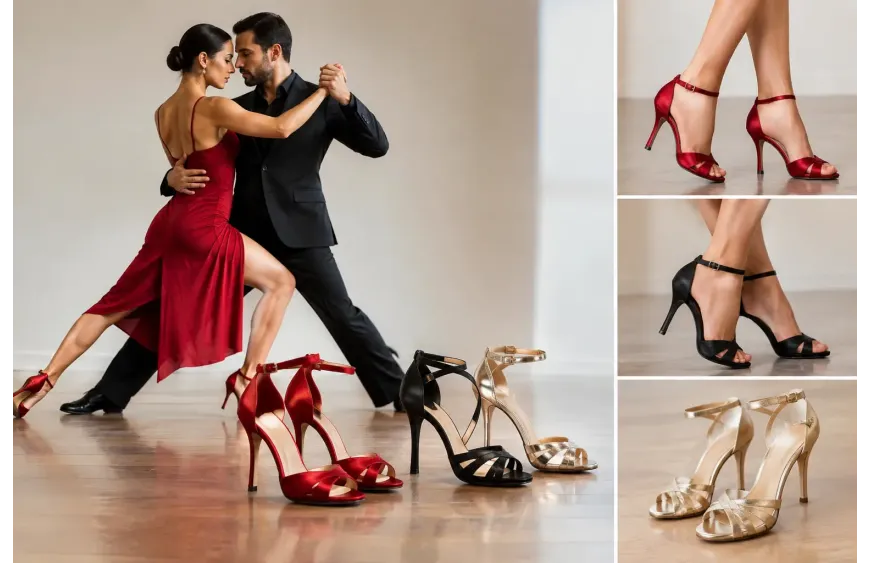
The first tango walk can feel surprisingly exposed. Your feet need to glide, pause, pivot, and collect with precision while staying connected to a partner. That is why the question of what shoes for tango matters far more than appearance alone. The right pair helps you feel the floor and move with confidence; the wrong pair can catch during pivots, make your balance unsteady, or leave you eager to sit down halfway through a tanda.
Argentine tango shoes are designed for close-embrace dancing, controlled turns, and smooth movement on a suitable dance floor. They are different from running shoes, casual heels, and often even other ballroom shoes. Your best choice depends on your role, experience, foot shape, the floor where you dance, and whether you are heading to a weekly class, a social milonga, or a performance.
What Shoes for Tango Should Beginners Choose?
Beginners usually do best with a secure, low-to-moderate heel and a sole that allows a controlled pivot. The priority is not choosing the highest heel or most dramatic style. It is finding a shoe that stays with your foot, supports your balance, and lets you focus on posture, connection, and walking technique.
For followers, a closed-toe or open-toe tango shoe with an ankle strap is often a sensible first choice. A heel around 1.5 to 2.5 inches works well for many new dancers. A flared or slightly wider heel can feel more stable than a very narrow stiletto, especially while learning ochos, turns, and backward walking. Some dancers start lower and move up as their ankle strength and confidence develop.
For leaders, a dedicated tango, ballroom, or social dance shoe with a low heel and leather or suede sole is generally more useful than a stiff dress shoe. A secure lace-up style gives the foot a clean line while keeping the heel in place. The shoe should permit you to transfer weight easily and pivot without forcing your knees to twist.
A good beginner shoe should feel snug, but it should never crush your toes or leave painful pressure at the ball of the foot. Tango asks a great deal of the forefoot. If a shoe hurts during a few minutes of fitting, it will not become more comfortable after hours of dancing.
The Sole Makes Tango Movement Possible
A dance sole is one of the most meaningful differences between tango shoes and ordinary footwear. Tango requires small, frequent pivots. A sole that grips too strongly can make turns feel sticky and may put extra torque through the ankles and knees. A sole that is too slippery, on the other hand, can make you feel as if you have no control over your landing.
Suede soles are a popular choice because they offer a balanced amount of slide and traction on many indoor wood dance floors. They help dancers pivot smoothly while retaining enough grip to push off with intention. The amount of traction changes with the floor condition, humidity, and how clean the sole is. A suede brush is useful for refreshing the nap and removing packed-in dirt.
Leather soles can also work well, particularly for dancers who prefer a slightly firmer feel or dance on surfaces where suede is too slow. They often need a short break-in period. Once worn in, they can provide a smooth, elegant glide.
Rubber soles are usually less suitable for tango on a dance floor. They can grip abruptly during a pivot, even if the shoe otherwise looks appropriate. Save rubber-soled shoes for travel, outdoor walking, and arriving at the venue. Change into your dance shoes once you are inside.
Heel Height Is About Balance, Not Just Style
A higher heel can lengthen the leg line and shift the body slightly forward, which some followers enjoy for tango. But higher is not automatically better. The ideal height lets you stand comfortably over your supporting foot and walk backward without clenching your toes.
If you are returning to dance after time away, have sensitive feet, or are building technique from the beginning, a lower heel is a practical choice. You can still look polished in a well-fitted low-heel shoe. As your balance improves, you may decide that a taller heel suits your tango style and comfort.
Heel placement matters as much as heel height. The heel should sit directly under the heel bone, creating a stable base. A well-built tango shoe feels balanced rather than as if your weight is tipping forward. For dancers who wear narrow heels, the heel tip should be in good condition and offer reliable contact with the floor. Replace worn heel caps promptly.
Leaders commonly choose a low heel, often between about 1 and 1.5 inches. This gives a clean posture and helps with weight changes without placing unnecessary strain on the calves. A Cuban heel can offer a slightly more traditional dance profile while remaining grounded and functional.
Open Toe or Closed Toe for Tango?
Both can be appropriate. The better option comes down to comfort, protection, and personal preference.
Open-toe shoes are common among followers and can create a lighter, more open look. They are especially popular for social dancing and performances. Look for an opening that does not allow your toes to slide forward or curl over the edge. A shoe that is too long can make your foot work harder to stay in place.
Closed-toe shoes offer more coverage and can be reassuring in crowded classes or busy milongas, where an accidental step on the foot is always possible. They can also feel more secure for dancers who do not like the sensation of exposed toes. A closed toe should have enough room for natural toe spread, without extra length at the front.
For leaders, closed lace-up shoes are the standard choice. They protect the foot, look refined with practice wear or dressier attire, and provide consistent support through the instep.
Fit Checks Before You Dance
Tango shoes should fit differently from loose everyday shoes. There should be very little extra space, because your foot needs to move with the shoe rather than inside it. Still, a close fit is not the same as a painful one.
When trying on tango shoes, stand up and take a few slow steps. Shift your weight from one foot to the other, rise gently through the ball of the foot, and test a small pivot. Notice whether the heel lifts, the strap cuts in, or the toes slide toward the front. For followers, check that the ankle strap holds you securely without pressing into the ankle bone. For leaders, make sure the lace-up closes comfortably across the instep and does not pinch the little toe.
Feet often swell slightly after a day of work or after dancing. If possible, try shoes later in the day or wear them around the house briefly on a clean surface before making a final decision. Do not wear suede-soled dance shoes outdoors during this test.
Sizing can vary between brands and styles, so do not rely only on your street-shoe size. A pointed closed-toe style, a wide sandal, and a lace-up practice shoe may all fit differently. Personal fitting is particularly valuable if you have a narrow heel, wide forefoot, bunions, high arches, or different-sized feet. Dancers in Toronto and the GTA can benefit from trying several shapes with knowledgeable guidance at Dancewear Champions’ Thornhill shopping location.
Choose Shoes for Where and How You Dance
One pair may not cover every tango situation. A lower, sturdier shoe is useful for weekly lessons and long practice sessions. A more refined heel or dress shoe may be your preference for a milonga. If you perform, your costume, floor surface, and choreography may influence your choice as well.
Social dancers who attend events several times a week often rotate pairs. This gives shoes time to air out, reduces wear on the sole, and lets you choose the best heel height for the evening. A practice shoe can be a smart addition for dancers who want more cushioning and support without giving up a dance-ready sole.
If you also dance ballroom, Latin, salsa, or bachata, do not assume one shoe will feel ideal for every style. A Latin sandal may work for some tango dancers, but tango often calls for a more grounded walk, different balance preferences, and a shoe that feels secure during close embrace. The best choice is the one that supports the dance you are actually doing.
Care That Extends the Life of Tango Shoes
Keep dance shoes in a breathable shoe bag rather than sealing them in plastic after class. Let them dry fully, especially after a long social. Brush suede soles as needed, check heel tips regularly, and avoid wearing your dance shoes on sidewalks, parking lots, or wet surfaces.
Pay attention to changes in feel. When a once-secure strap stretches, a heel cap wears down, or the sole becomes uneven, your technique can start compensating without you realizing it. Small maintenance habits protect both the shoe and your comfort.
The pair that helps you forget about your feet is usually the right pair for tango. Choose a fit that feels secure, a sole that lets you pivot with control, and a heel that supports your confidence from the first walk to the last song.
Related Products
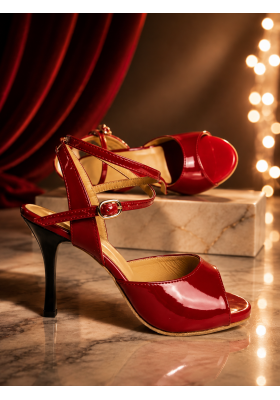
Galex - Tango Dance Shoes
$325.00CAD