


- 10 October, 2026
- 14
- 0
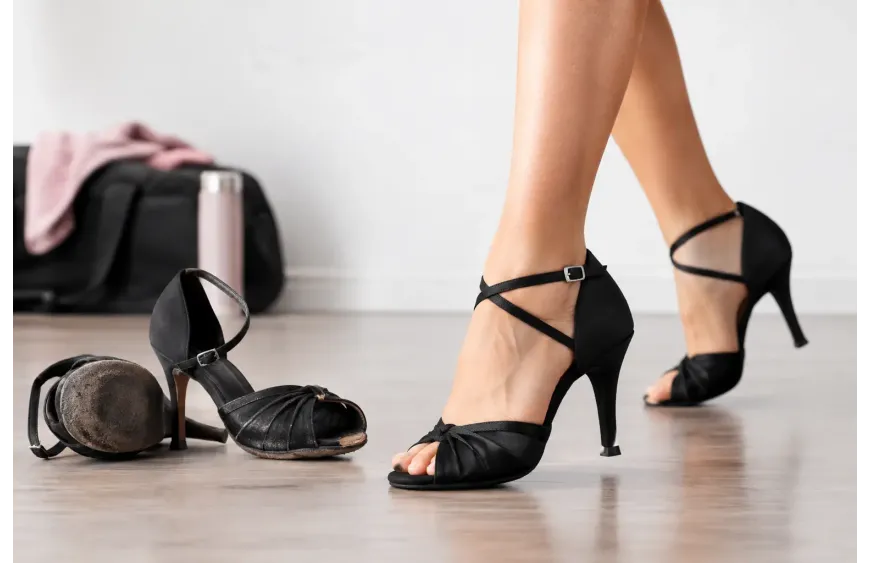
A dance heel rarely fails all at once. More often, it starts with a slightly unstable turn, a strap that needs tightening twice during class, or a suede sole that no longer gives you the controlled glide you expect. Knowing when to replace dance heels helps protect your feet, preserve your technique, and keep a small footwear issue from becoming a fall or an ankle injury.
For ballroom, Latin, salsa, bachata, and social dancers, shoes are working equipment. They support weight changes, pivots, checks, spins, and long hours on the floor. A shoe can still look presentable from a distance while no longer giving your body the support it needs.
When to Replace Dance Heels: 7 Signs
1. The sole is worn smooth or uneven
Suede soles are designed to create a specific balance of slide and grip on a proper dance floor. With regular use, the nap compresses and the sole can become slick, patchy, or uneven. You may notice that one foot slides farther than the other, that turns require more effort, or that you hesitate before a traveling step because you cannot predict how the shoe will respond.
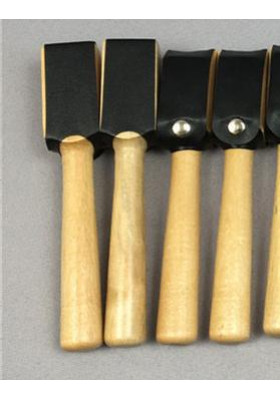
A sole brush can lift the suede fibers and restore some traction when the sole is merely packed down. But if the sole is worn through, peeling away, or noticeably uneven, brushing will not solve the problem. An uneven sole can affect balance and place extra stress on the knees, hips, and ankles. Depending on the condition and construction of the shoe, a professional repair may be possible. If the upper and heel are also tired, replacement is usually the better choice.
2. The heel feels loose, crooked, or unstable
Your heel should feel solid every time you transfer weight backward, lower from a rise, or settle into a Latin action. If the heel clicks, shifts sideways, leans, or feels unstable on a flat surface, stop wearing the shoe for dancing until it has been assessed.
Do not assume that a wobbly heel is only a cosmetic concern. Even a slight change in heel alignment can make your ankle compensate during turns and quick directional changes. This is particularly risky for dancers in higher Latin heels, but it matters in ballroom court shoes, practice shoes, and lower social heels too.
A qualified shoe repair professional may be able to secure or replace a heel component if the shoe is otherwise in excellent condition. If the heel base, shank, or sole has weakened, a new pair is the safer investment.
3. Straps no longer hold your foot in place
A secure upper keeps the shoe connected to your foot. When straps stretch too far, buckle holes tear, elastic loses recovery, or the ankle strap slides down repeatedly, your foot begins moving inside the shoe. That movement can lead to rubbing, blisters, toe gripping, and a loss of control.
Some wear is adjustable. Moving to a tighter buckle hole or having a minor strap repair done can extend the life of a shoe. The concern begins when you are tightening the straps as far as they will go and the shoe still feels loose, or when the material looks cracked and fragile around the buckle.
For dancers with narrow feet, this is also a good moment to reassess the shoe shape rather than simply buy the same style again. A more secure vamp, different strap placement, or a narrower fit can make a noticeable difference in comfort and confidence.
4. The shoe has lost its shape
Dance shoes should soften enough to allow pointed feet, articulation, and natural movement. They should not collapse around the foot. A worn shoe may develop a stretched toe box, a twisted upper, a sagging arch area, or a heel counter that no longer keeps the back of the foot centered.
If your foot is spilling forward, shifting sideways, or sliding toward the toes even with correct straps, the shoe may be past its useful life. This is common when dancers continue wearing a favorite pair after its support has broken down because it feels familiar.
A well-worn shoe can feel comfortable precisely because it has become loose. Comfort is valuable, but it should not come at the cost of stability. The best dance shoe feels flexible where you need movement and supportive where you need control.
5. New foot pain appears during or after dancing
A sudden change in foot fatigue is worth investigating. Pain under the ball of the foot, cramping toes, a sore Achilles tendon, or ankle discomfort may have several causes, including technique, training volume, flooring, or a shoe that no longer fits correctly. Your dance heels may not be the only reason, but they should be one of the first things you check.
Look for visible changes such as a compressed insole, a distorted sole, or a heel that wears more heavily on one side. If your shoes feel very different between the left and right foot, the wear pattern may be changing your alignment.
Do not try to dance through persistent pain by adding extra padding to a shoe that has broken down. Padding can improve comfort in a shoe that is otherwise sound, but it cannot restore a failing structure. If pain continues, take a break from the shoes and seek appropriate medical advice.
6. You are compensating for the shoe in your technique
Dancers often notice wear before they can see it. Maybe you avoid a full pivot on one side, place your foot more cautiously in a spin, or tense your toes to keep a sandal from moving. Those adjustments can become habits that affect your dancing long after the shoe is gone.
Ask yourself whether your shoe lets you commit to your normal technique. In ballroom, that may mean controlled backward steps and smooth rotations. In Latin or salsa, it may mean settling your weight cleanly and turning without fear of slipping. In a social dance setting, it may simply mean being able to dance for an evening without thinking about your footwear.
If the shoe demands constant attention, it is no longer doing its job.
7. The materials are cracking, separating, or holding odor
Visible damage is the clearest replacement signal. Separating soles, cracked satin or leather, torn mesh, broken buckles, and exposed nails or hardware all call for immediate attention. Do not use tape or household glue as a long-term dance-floor fix. A quick repair can come apart under pressure and create a hazard for you or your partner.
Odor is also a practical issue. Dance heels absorb perspiration, and moisture can weaken linings, insoles, and adhesives over time. If shoes retain strong odor even after airing out, or if the interior lining has worn through and creates friction, replacement may be more hygienic and more comfortable than trying to extend their life.
Repair or Replace? Consider the Whole Shoe
A worn heel tip, lightly compressed suede, or a minor buckle issue does not automatically mean you need new dance shoes. Small repairs and regular maintenance can be worthwhile when the fit remains excellent and the shoe's structure is sound.
Replacement makes more sense when several problems appear together. For example, a shoe with a stretched upper, worn sole, flattened padding, and unstable heel has reached the end of its reliable dancing life, even if each issue seems manageable on its own.
Consider how you use the pair as well. A shoe worn once a week for social dancing may last much longer than a competition or teaching shoe used for several classes, practices, and events each week. Floor conditions matter too. Outdoor walking, rough flooring, moisture, and carrying shoes loose in a bag all shorten their lifespan.
Choose Your Next Pair for the Dancing You Do Now
When replacing dance heels, do not assume you need an identical pair. Your needs may have changed since your last purchase. A beginner who started in a low, stable heel may now be ready for a different heel height. A dancer who has added ballroom and Latin classes may benefit from separate shoes rather than asking one pair to handle every style.
For Latin, salsa, and bachata, look for a secure forefoot, dependable ankle support, and a heel height you can control through fast turns and weight changes. For ballroom or American smooth, a closed-toe court shoe or style with stronger foot coverage may better suit backward movement and longer gliding steps. Teachers and frequent social dancers often appreciate a practice shoe that offers more coverage and cushioning for extended hours.
Fit remains more important than the number printed on the shoe. Dance shoes should feel snug without pinching, and the toes should not be jammed against the front. If you are between sizes, have a narrow or wide foot, use orthotics, or are unsure about heel height, personalized fitting can prevent another premature replacement. Dancewear Champions offers one-to-one shoe fitting for local dancers in Thornhill who want help comparing styles and finding a secure fit.
Help Your Dance Heels Last Longer
Keep dance heels in a dedicated shoe bag, let them air out fully after class, and avoid wearing suede-soled shoes outside. Brush suede soles as needed to remove packed dirt and restore their texture. Check heel tips, straps, buckles, and sole edges regularly rather than waiting for a problem during a showcase or competition.
A second pair can also be practical for frequent dancers. Rotating shoes gives the interior time to dry and lets you reserve your best pair for performances, events, or competition days.
Your dance heels should make it easier to move with confidence, not give you one more thing to manage on the floor. When the shoe no longer supports that feeling, replacing it is a smart part of caring for your dancing.
Related Products
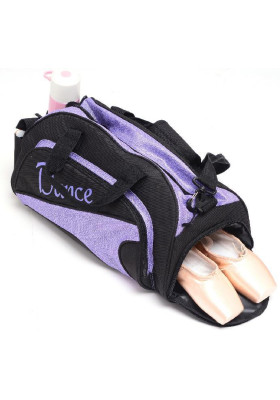
Dance Bag 01
$45.00CAD

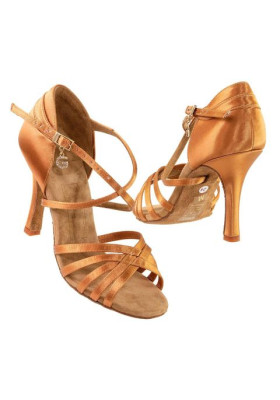
Galex - Emma - Tan-Satin - Heel - Slim 8cm
$238.00CAD
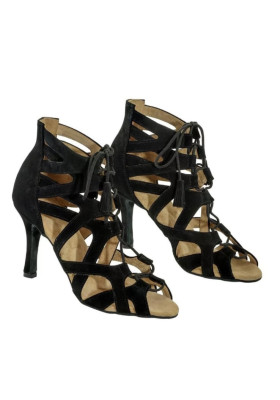
Galex - Bianka - Slim Heel
$275.00CAD
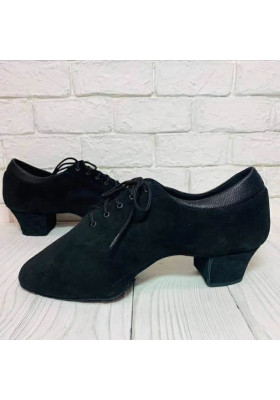
Galex - Black Nubuck - Heel 4cm
$250.00CAD
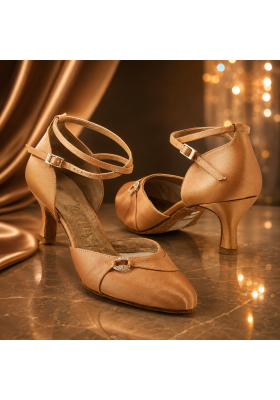
Galex - American Smooth
$250.00CAD
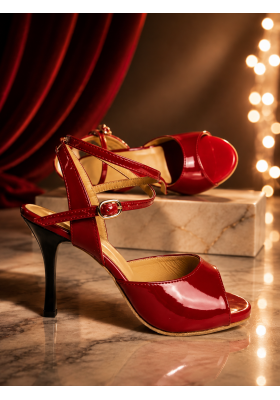
Galex - Tango Dance Shoes
$325.00CAD