


- 21 November, 2026
- 11
- 0
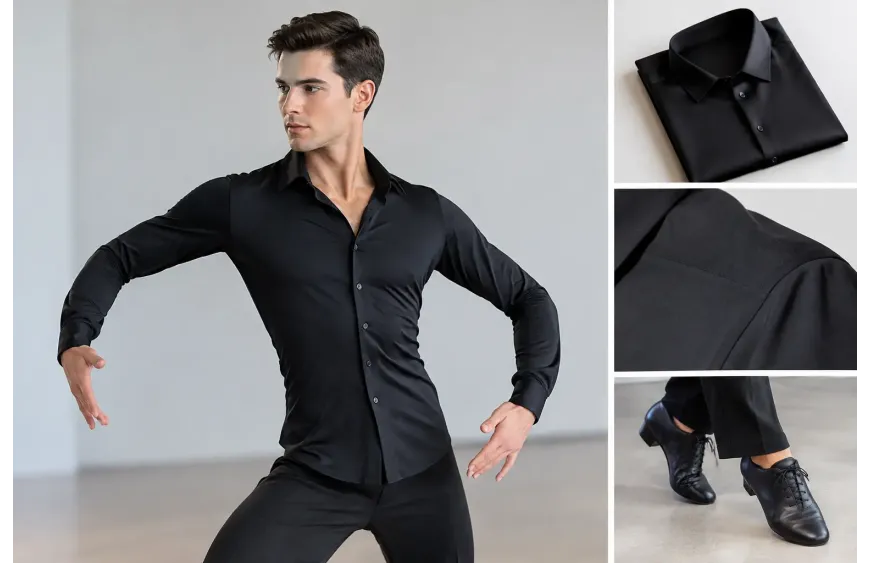
A showcase is not the night to discover that a shirt pulls across the shoulders, trousers catch at the knee, or your shoes do not support a clean line. A well-planned men's showcase wardrobe gives you freedom to dance full-out while looking intentional beside your partner. It does not need to be overly elaborate, but every piece should suit the routine, the dance style, and the venue.
For ballroom and Latin dancers, the strongest showcase looks begin with fit and function. Once those are right, color, texture, and finishing details can create the level of polish that makes a performance feel complete.
Start With the Dance and the Story
Before choosing clothing, consider what the audience should see. A dramatic tango, a relaxed social salsa, and a classic foxtrot call for very different shapes and energy. The wardrobe should support the routine's mood rather than compete with it.
For standard ballroom or American smooth, clean tailoring usually reads best. A fitted black trouser, crisp shirt, vest, or jacket can establish an elegant frame and keep attention on the partnership. If the choreography includes open work, turns, or a theatrical entrance, a shirt with subtle sheen or a colored accent may add presence without losing the refined look expected in these styles.
Latin and rhythm routines often allow more personality. A close-fitting dance shirt, a deep V-neck style, stretch mesh panels, or a touch of sparkle can work beautifully under showcase lighting. The key is proportion. If your partner's costume is heavily stoned or bright, your look may need one coordinated detail rather than the same amount of decoration. If the routine is built around a bold masculine character, a stronger shirt color or fitted vest can become part of the storytelling.
Build a Men's Showcase Wardrobe Around Movement
Dancewear is not simply formalwear worn on a dance floor. The difference becomes obvious as soon as you raise your arms, take a long stride, rotate through the torso, or lower into a dramatic line. Choose garments designed with movement in mind.
A proper dance shirt should sit neatly at the shoulders but leave enough room to extend the arms without pulling across the back. Stretch fabrics are especially useful for Latin, salsa, bachata, and routines with fast arm styling. For ballroom, a shirt that stays tucked in and maintains a smooth front creates a stronger silhouette during closed hold.
Trousers deserve the same attention. They should be fitted enough to show leg action but never so narrow that they restrict a lunge, knee bend, or side step. Ballroom trousers generally benefit from a longer, cleaner line, while Latin pants are often more closely shaped through the leg. In either case, test the waistband in dance position. You should be able to breathe, rotate, and move through your full range without constantly adjusting your clothing.
Avoid relying on an ordinary dress shirt and suit pants unless the routine is very simple and you have tested them thoroughly. Non-stretch fabric can limit movement, and pants that look good standing still may twist or bunch while dancing. A showcase outfit should feel secure enough that you can focus on musicality and connection, not your sleeves or hemline.
Fit Checks to Do Before the Event
Wear the complete outfit at least once during practice. Move through your entrance, your largest shape, your lowest action, and any lifts or dips in the routine. Check whether the shirt remains tucked, whether the waistband stays comfortable, and whether pant hems clear your dance shoes.
Also look at the outfit from the audience's viewpoint. Record a short run-through from several feet away. Small visual issues become clearer on video: a shirt that blends into a dark backdrop, a trouser break that looks messy, or a jacket that hides too much body action. A garment can be comfortable and still need a different color or cut for the stage.
Choose Color and Texture With Purpose
Lighting changes clothing. Black is classic and versatile, but in a dim room it can flatten the body and make detailed movement harder to see. If you choose black trousers, consider a shirt with sheen, texture, contrast trim, or a richer color that helps define your upper body.
Deep jewel tones such as burgundy, royal blue, emerald, and plum can look polished in ballroom and Latin settings. White or ivory shirts can create a sharp formal contrast, particularly for smooth or standard routines. For Latin, black paired with a saturated color, metallic accent, or tonal pattern can give the outfit greater depth without becoming costume-like.
Coordinate with your partner rather than match exactly. A shared accent color, compatible tones, or a similar level of formality will make the partnership look cohesive. For example, if your partner wears a red Latin dress, a black shirt with a restrained red detail may be more effective than a fully red shirt. The goal is a unified picture, not two identical outfits.
Texture is useful when used selectively. Satin, stretch velvet, mesh, patterned stretch fabric, or subtle rhinestone detailing can catch light and add dimension. However, highly reflective fabric may reveal every wrinkle, and heavy embellishment can feel out of place for a classic ballroom number. The venue, dance genre, and your own comfort level should guide the choice.
Shoes Complete the Line
Even a beautifully fitted outfit loses impact if the shoes are wrong for the dance. Showcase shoes need the same features as your regular dance shoes: secure fit, flexibility, appropriate heel height, and a sole suited to the floor. They also need to look clean and coordinate with the wardrobe.
For ballroom and smooth, classic black ballroom shoes create a long, uninterrupted line with dark trousers. For Latin, a Latin shoe with the right heel and flexible construction supports the footwork and weight changes needed for sharper, more grounded action. Social shoes may work for a casual performance, but they may not give the support or visual finish required for a more demanding routine.
Do not wear brand-new shoes for the first time at a showcase. Break them in during practice, while keeping the soles and uppers well maintained. Bring a shoe brush or appropriate shoe-care item if the venue floor may leave residue. A clean shoe is a small detail that reads as professional from the first step.
Add Accessories Without Losing Focus
Accessories should serve the look or the choreography. A belt, vest, tie, bow tie, cuff detail, suspenders, or a simple necklace can be effective when each item has a purpose. They can also become distracting if too many elements compete for attention.
For ballroom, a vest or tie can reinforce elegance and structure. For Latin, an open-neck shirt, fitted belt, or understated jewelry may suit the style better. If you plan a costume change or removal of a jacket during the routine, rehearse it repeatedly. The change should feel deliberate and smooth, not like an emergency adjustment.
Grooming is part of the wardrobe as well. Neat hair, a clean shave or well-shaped facial hair, and attention to lint, wrinkles, and shirt collars make a significant difference. Pack spare shirt fasteners, safety pins, fashion tape if needed, and a backup undershirt for longer events. These items take little space but can prevent last-minute stress.
Plan for Comfort, Confidence, and the Venue
A showcase wardrobe should work for the temperature of the room, the time you will spend waiting, and how often you will perform. A heavy jacket may look excellent for a two-minute entrance but feel uncomfortable during a long evening. A light stretch shirt may be ideal for a hot Latin number but need an additional layer before you go on.
If you are unsure about sizing, styling, or which shoe suits your routine, personal fitting guidance can save time and costly guesswork. Dancewear Champions can help dancers in the Toronto and GTA area compare dance-ready shirts, pants, shoes, and accessories in person, with attention to the movement and fit your performance requires.
The right outfit should not make you feel disguised. It should make your posture stronger, your movement clearer, and your connection to the routine easier to show. Choose pieces you can rehearse in, trust under lights, and wear with the confidence to step onto the floor fully present.
Tags men dancewear, men practice wear, men ballroom dance shoes, men ballroom dancewear, men Latin dance shoes, men Latin dancewear,
Related Products

Men Ballroom Frak Tail Suit Dress Shirt 01
$200.00CAD

Men Ballroom Dress Shirt 06 Black
$220.00CAD

Sale
Primabella Ballroom Vest without collar
$200.00CAD $125.00CAD

Men Latin Dress Shirt 06 Black
$145.00CAD

Shirt 01
$116.00CAD

Sale
Primabella - JUMPER-QUATTRO
$180.00CAD $145.00CAD

Men Ballroom Pants 07
$210.00CAD
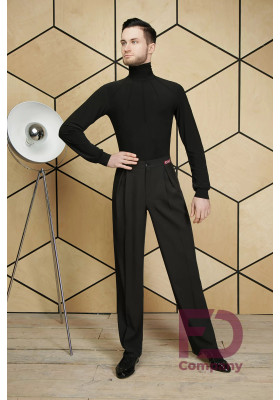
Men Latin Pants 04
$160.00CAD

Men Ballroom Vest 01
$450.00CAD