


- 22 November, 2026
- 20
- 0
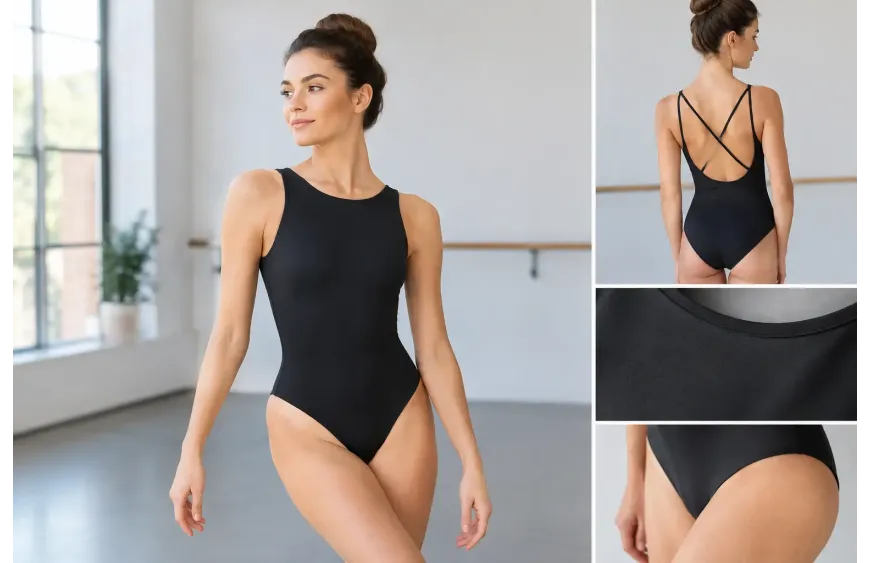
A performance bodysuit review should begin where the garment will be tested: in motion. A bodysuit can look polished on a hanger and still become distracting after the first series of Latin walks, a deep ballroom sway, or a long rehearsal. For dancers, the right choice is not simply about color or sparkle. It is about whether the garment stays secure, supports the body, and lets the dancer concentrate on timing, technique, and presentation.
For practice, teaching, showcases, and competition, a performance bodysuit can be one of the most versatile pieces in a dance wardrobe. It creates a clean line under a skirt or dance pant, works as a foundation for costume layers, and offers a finished look when worn on its own. The best option depends on the dance style, the level of coverage needed, and how the dancer prefers to feel while moving.
A Performance Bodysuit Review Starts With Movement
The most useful review question is simple: can you dance fully in it? Try the movements that belong to your style rather than judging fit while standing still. A Latin or salsa dancer needs reliable coverage through hip action, turns, lunges, and quick changes of direction. A ballroom or American smooth dancer may prioritize an elegant upper-body line and a bodysuit that remains smooth beneath a flowing skirt. Ballet and gymnastics dancers often need a close, precise fit that lets instructors and judges see placement clearly.
Raise both arms, rotate through the torso, bend forward, sit, and take several larger steps. If the neckline shifts, the leg openings pinch, or the shoulder straps slide, those small issues will be more noticeable after an hour of dancing. A well-fitting performance bodysuit should move with the body without needing frequent adjustment.
This is where a bodysuit differs from an ordinary fashion piece. Dancewear is expected to work during repeated movement, heat, perspiration, partner connection, and quick costume changes. A flattering design matters, but functional security matters first.
Check the torso length before judging the size
Many fit problems come from torso length rather than the number or letter on the tag. A dancer with a longer torso may find that an otherwise correct size pulls at the shoulders or rides up through the hips. A shorter-torso dancer may have extra fabric at the waist or chest, even when the bust and hip measurements seem right.
The bodysuit should sit against the body with gentle, even tension. It should not create pressure lines that make breathing or rib movement uncomfortable. If you are between sizes, the better option depends on the fabric recovery and the intended use. A highly stretchy practice bodysuit may accommodate a close fit, while a structured performance style with mesh panels, rhinestones, or less-flexible finishes may require more room.
Fabric Changes How a Bodysuit Performs
Fabric determines much more than feel. It affects opacity, recovery, breathability, stage appearance, and how the garment holds up after regular wear. Smooth stretch fabrics are popular because they create a clean silhouette and allow freedom of movement. They are often a practical choice for practice, lessons, teaching, and layering under skirts or pants.
For a more elevated performance look, dancers may choose bodysuits with mesh, lace, velvet, metallic finishes, appliqué, or decorative stones. These details can add dimension under stage lighting and help a costume look intentional without requiring a full dress. The trade-off is that specialty fabrics may need more careful washing and can feel different against the skin than a simple stretch knit.
Opacity deserves special attention. A light-colored or very fitted bodysuit should provide enough coverage for the dancer to move confidently under bright studio or event lighting. Stretch the fabric gently in both directions when checking it. If the material becomes noticeably sheer when extended, it may not be suitable as a stand-alone performance piece.
Breathability also depends on the setting. A heavily embellished bodysuit can be beautiful for a showcase number, but it may not be the first choice for a long social dance evening or an intensive summer practice session. Conversely, a simple moisture-managing style may be ideal for training but need added accessories or a skirt for a formal event.
Necklines, Backs, and Sleeves Are Functional Choices
The neckline frames the face and changes how secure a dancer feels. Higher necklines generally offer more coverage and can look especially polished for teaching, practice, ballroom styling, or youth dancewear. V-necks and sweetheart shapes can elongate the upper body and suit many Latin or showcase looks, provided the fit stays stable during movement.
Open-back designs create visual impact and show off back lines, but they require a more exact fit. A back that gapes while standing may shift even more during turns. Consider whether the garment will be worn with a dance bra, built-in cups, or another support solution. The answer is personal, and it may change depending on the style of dance and the amount of movement in the routine.
Sleeves can shape both appearance and comfort. Sleeveless and cap-sleeve bodysuits keep the shoulder area free for movement and are easy to layer. Long sleeves can create a dramatic competition or showcase silhouette, especially with mesh or decorative details, but the arms should not feel restricted when reaching or taking frame. For partner dancing, avoid bulky sleeve treatments that could catch, twist, or feel uncomfortable in close contact.
Support and Coverage Should Match the Occasion
A performance bodysuit does not need to solve every wardrobe need on its own. Some dancers prefer a style with built-in support, while others get a better fit by adding their preferred undergarment. The key is to test the complete outfit together, including any bra solution, tights, skirt, dance pants, or costume accessories.
For Latin, salsa, bachata, and rhythm, secure leg openings and dependable bust coverage are often priorities because of sharper action and faster changes of level. For ballroom, smooth, standard, and social dance, a bodysuit may function as a sleek base beneath a skirt or wider-leg pant. In that case, look for a style that lies flat at the waist and does not bunch under the outer garment.
Youth dancers and parents may want more conservative necklines, secure straps, and fabrics that are easy to care for between lessons and events. Adult dancers may choose more open or embellished designs for a showcase or competition. Neither direction is more correct. The right amount of coverage is the one that allows the dancer to perform confidently and meets the expectations of the studio, event, or competition category.
Styling a Bodysuit Beyond One Routine
A good bodysuit earns its place in a dance bag by working in more than one setting. A classic black style can move from weekly practice to teaching, then pair with a Latin skirt or dance pants for a social event. A mesh-panel or embellished design can become a showcase look with the addition of a skirt, jewelry, or coordinated hair accessories.
Think about the garment as a base layer rather than a one-time outfit. A clean-lined bodysuit can balance a fuller ballroom skirt, while a more detailed top may work best with a simple skirt or fitted pants. If the bodysuit is already dramatic, keeping the rest of the look more restrained often creates a stronger stage picture.
Color should support the purpose as well. Dark neutrals are versatile and forgiving for practice. Rich color, metallic finishes, and crystal details can stand out under performance lighting. For competition, always consider category rules and the visual requirements of the event before choosing a heavily decorated style.
Care Is Part of the Review
A bodysuit that feels perfect on day one should also remain dependable after repeated wears. Check the care label before washing, particularly when the garment includes mesh, lace, stones, fringe, or other embellishments. Hand washing or a gentle cycle in a garment bag may help preserve delicate details, while high heat can weaken elastic fibers and damage decorative finishes.
Let the garment dry fully before packing it away. Avoid leaving it compressed in a dance bag after a sweaty lesson, since moisture can affect fabric, odor, and embellishments. If you perform regularly, rotating between two or more bodysuits can extend the life of each piece and ensure that you always have a reliable option ready.
The right bodysuit should make your preparation easier, not give you another thing to worry about. If you are deciding between styles, personalized fit guidance can be especially valuable for dancers balancing support, torso length, and the demands of a specific routine. At Dancewear Champions, that conversation can help turn a good-looking garment into one you will be happy to wear from the first count to the final bow.
Tags performance bodysuit, Latin bodysuit, Ballroom bodysuit, Ballet bodysuit, Gymnastics bodysuit
Related Products

Sale
Leotard-02
$85.00CAD $60.00CAD

Sale
Leotard-16
$90.00CAD $75.00CAD

Leotard-17
$90.00CAD

Leotard-27 - pre order
$135.00CAD
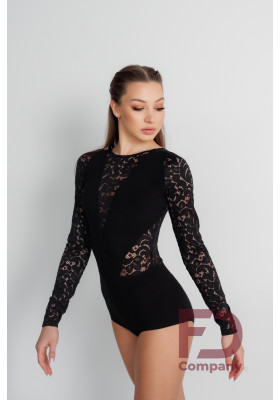
Leotard-68
$150.00CAD

Leotard-95 Black
$160.00CAD

Leotard-54 Red
$300.00CAD
Sale
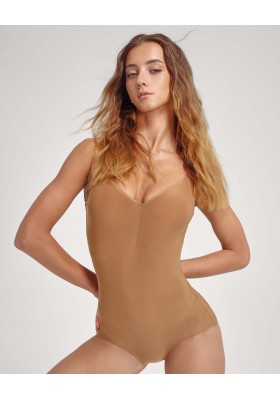
Leotard-56 Luminosa Beige
$290.00CAD $215.00CAD
Sale
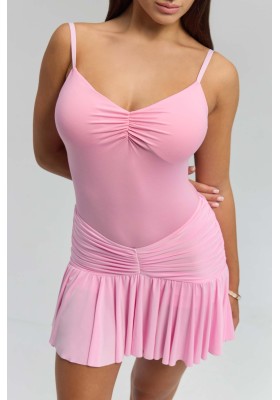
Leotard-56 Luminosa Pink
$290.00CAD $275.00CAD

Leotard-61 PB
$340.00CAD