


- 26 November, 2026
- 4
- 0
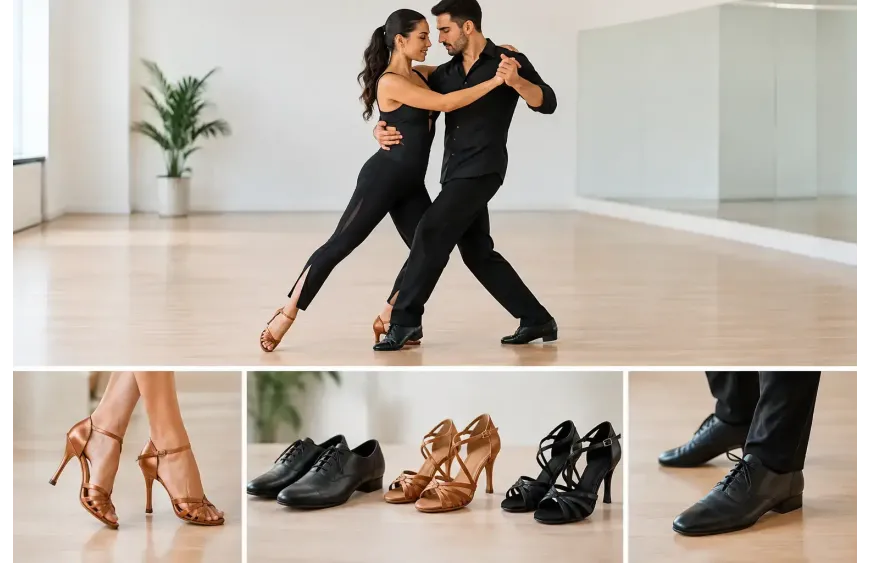
A bachata basic can feel effortless in the right shoes and strangely difficult in the wrong pair. If you are asking what shoes suit bachata, start with movement rather than appearance: you need to feel the floor, pivot without sticking, and stay comfortable through repeated side steps, taps, and turns. The best choice is usually a proper Latin or social dance shoe with a flexible fit and a dance-ready sole.
What shoes suit bachata for class and social dancing?
Bachata does not require one exact shoe style. Your ideal pair depends on whether you are taking your first class, dancing at weekly socials, teaching, performing, or wearing shoes for several hours at an event. Still, most dancers do best with footwear made for Latin or social dance rather than street shoes, running shoes, or hard outdoor heels.
A suitable bachata shoe should let your foot articulate naturally. The ball of the foot needs to point, press, and shift weight easily, while the sole should support controlled pivots. A flexible upper helps you use your feet rather than fight the shoe. This matters in bachata because the dance often feels relaxed, but the feet are continuously working.
For most indoor dance floors, a suede sole is the classic choice. It offers enough grip to feel secure while still allowing turns. A smooth leather sole can also work well, especially for dancers who prefer a little more slide. The right amount of traction depends on the floor. A very sticky sole can strain the knees during turns, while a sole that is too slippery can make weight changes feel uncertain.
Choose your heel height before your shoe style
Heel height changes both your line and your comfort. It is one of the most personal parts of choosing bachata shoes, and higher is not automatically better.
Ladies’ bachata shoes
For a beginner, a low heel or a stable flared heel is often the smartest starting point. It keeps the body in a natural position and makes it easier to learn balance, timing, and clean weight transfers. A closed-toe Latin practice shoe, low-heeled sandal, or comfortable social dance shoe can all be excellent choices.
Intermediate and experienced dancers may prefer a Latin sandal with a higher heel for a more elongated leg line and a dressier look. A 2.5-inch heel is a popular middle ground for many social dancers, while a 3-inch heel may suit dancers who are already comfortable with balance and foot strength. The shape of the heel matters as much as the measurement. A flared heel generally feels more stable than a narrow straight heel.
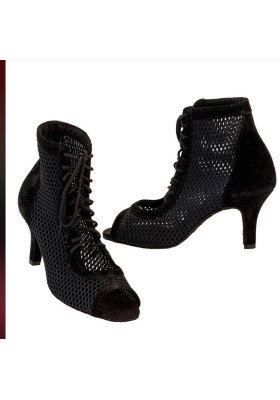
Open-toe Latin sandals are common for bachata because they show the foot beautifully and work well with Latin dresses, skirts, and practicewear. Look for secure straps across the forefoot and ankle. If your toes slide forward or a strap leaves deep pressure marks after a short try-on, the fit is not right.
Closed-toe styles have their place, too. They can feel more protective in a crowded social setting, keep the foot warmer, and suit dancers who want a more contained fit. A closed-toe practice shoe is also a practical option for longer classes where comfort takes priority over a performance look.
Men’s bachata shoes
Men typically do well in Latin dance shoes, teaching shoes, or social dance shoes with a flexible leather upper and a suede sole. A low Latin heel helps create the correct weight placement without feeling unstable. The shoe should be supportive enough for long evenings but flexible enough for foot articulation and pivots.
For a more casual class environment, a clean Latin practice shoe can be a strong choice. For a social or showcase, a polished black Latin shoe creates a sharper finish with dance pants or dressier attire. Avoid thick rubber athletic soles for indoor bachata. They tend to grip when you need to turn and can make the foot feel heavy.
The sole can change how bachata feels
Many new dancers focus on heel height, then discover that the sole is what transforms their movement. Dance soles are designed for dance floors, not sidewalks. They help you rotate from the ball of the foot with control instead of forcing the knee to twist.
Suede soles are especially useful for studios, wood floors, and many indoor social venues. They need occasional brushing to remove dirt and restore their texture. Keep suede-soled shoes indoors whenever possible. Walking outside in them can damage the suede, pick up moisture, and bring grit onto the dance floor.
If you dance in a venue with a very slick floor, you may want slightly more traction. If the floor is unusually sticky, a cleaner, more responsive suede sole can make a major difference. Floor conditions vary, so experienced dancers often keep a shoe brush in their dance bag and pay attention during the first few songs rather than assuming every surface will feel the same.
Fit should feel secure, not restrictive
Dance shoes are often fitted more closely than everyday shoes. A close fit helps the shoe move with your foot, reduces sliding inside the shoe, and gives you clearer connection to the floor. But close should never mean painful.
Your heel should stay in place as you walk and shift weight. The ball of your foot should sit at the widest part of the shoe, without pinching. In open-toe shoes, the toes should not hang far over the front edge, and the straps should hold the foot without cutting in. In closed-toe shoes, allow enough room that your toes are not compressed when you rise onto the ball of the foot.
Try on dance shoes later in the day if possible, when feet are closer to their typical dancing size. Wear the hosiery, dance socks, or foot protection you plan to use. Then test the pair as a dancer would: take small side steps, rise onto the balls of your feet, check a gentle pivot, and see whether the arch and ankle feel supported.
If one foot is slightly larger, fit the larger foot. If you have a wide forefoot, a high instep, bunions, or need extra support, do not assume a standard strappy sandal is your only option. Practice shoes, wider-fitting Latin styles, and more enclosed designs may provide a better experience. A knowledgeable fitting can save you from buying a beautiful shoe that stays in the closet.
Match the shoe to how you actually dance
A dedicated dancer may own more than one bachata-ready pair because one shoe rarely covers every situation. Your class shoe might prioritize cushioning and stability, while your social shoe may have a finer heel and dressier straps. For performances, the shoe also needs to suit the costume, lighting, and choreography.
Beginners should not feel pressured to start in high heels. Flat or low-heeled dance shoes can build confidence quickly, and good technique looks better than a heel height you cannot control. If you want to transition to a higher heel, increase gradually and use the lower pair for long practice sessions.
For social dancing, choose a shoe you can comfortably wear for the full night. Bachata often includes salsa, cha-cha, or other Latin dances at the same event, so a versatile Latin or social dance shoe is usually the practical choice. For outdoor events, bring indoor dance shoes and change after arriving rather than wearing your dance soles from the parking lot.
Shoes to avoid for bachata
Everyday sneakers may feel comfortable, but thick rubber soles can catch on the floor during a turn. Running shoes are built for forward motion and cushioning, not lateral movement and pivoting. Outdoor fashion heels may have unstable heel placement, rigid soles, or surfaces that are too slippery for controlled dancing.
Bare feet and socks may be used briefly in some beginner settings, but they are not a long-term answer. Socks can slide unpredictably, while bare feet offer little protection in a busy room. A proper dance shoe gives you a more reliable balance of movement, support, and safety.
Find the pair you will want to wear again
The right bachata shoe should make you less aware of your footwear after the first few minutes. You should be able to listen to the music, connect with your partner, and move through turns without guarding your feet. At Dancewear Champions, dancers can compare Latin, social, teaching, and practice styles with fit guidance that accounts for experience level, foot shape, and how often they dance.
Choose the pair that supports the dancer you are now, not the shoe you think you are supposed to wear. As your balance and confidence grow, your bachata shoes can grow with you.
Tags Bachata dance shoes, women Bachata dance shoes, men Bachata dance shoes, dance shoes,
Related Products
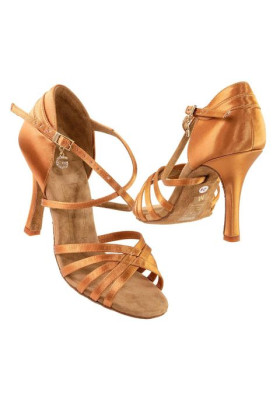
Galex - Emma - Tan-Satin - Heel - Slim 7cm
$238.00CAD
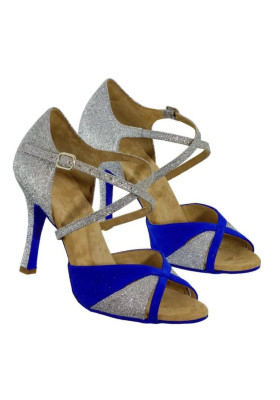
Galex - Emily - Heel - Slim 4-9 cm
$275.00CAD
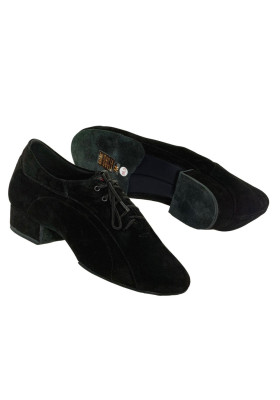
Galex - Black Nubuck - Heel 2cm
$250.00CAD
Galex - Black - Slim Heel
$275.00CAD

Sale
IDS - Flavia - Tan Satin - 2.5 Heel - Slim
$248.00CAD $234.00CAD