

- 24 November, 2026
- 12
- 0
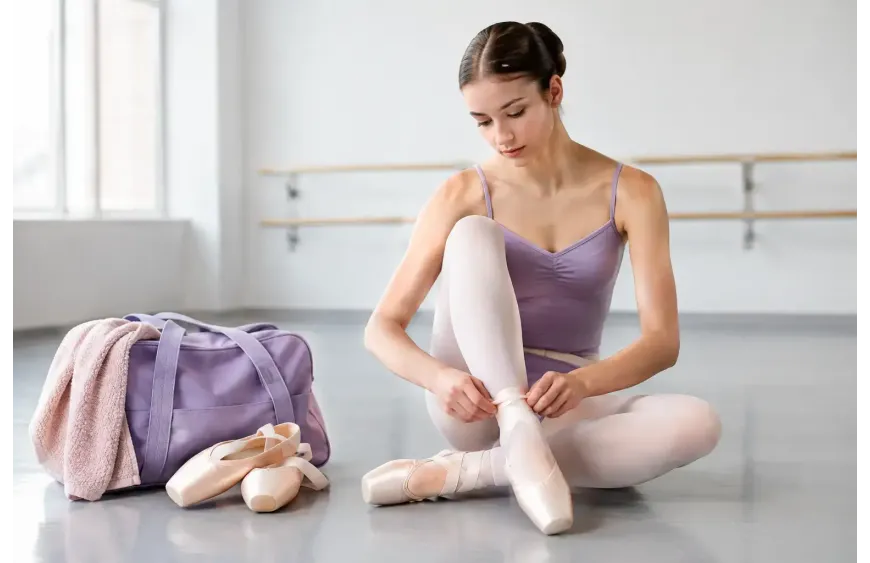
A useful ballet uniform example is not simply a pink leotard and slippers. It is a class-ready outfit that lets the teacher see placement, gives the dancer full freedom of movement, and follows the studio’s dress code. For a young beginner, that may be a pale pink short-sleeve leotard, pink tights, and pink ballet shoes. For an adult student, it may be a black leotard, convertible tights, a wrap skirt, and warm-up layers for arriving at class.
The best choice starts with the school’s requirements. Some ballet programs assign specific colors by level, while others allow more personal choice. Before removing tags or wearing shoes outdoors, check the studio handbook or ask the instructor what is required for class, examinations, rehearsals, or performances.
Why Ballet Uniforms Matter
Ballet technique is built on alignment. A properly fitted uniform helps an instructor see the line of the shoulders, spine, hips, knees, ankles, and feet. Loose T-shirts, baggy pants, and oversized sweatshirts can hide details that need correction, especially in a child’s early training.
That does not mean a ballet uniform must feel restrictive or overly formal. A dancer should be able to raise their arms, bend deeply through the knees, extend the legs, and breathe comfortably. The goal is clean presentation with reliable movement, not a costume.
Uniforms also create consistency in a class. When everyone wears appropriate dancewear, students can focus on technique rather than adjusting clothing. For parents, a clear uniform makes getting ready for weekly lessons much simpler.
A Ballet Uniform Example by Age and Class Type
Preschool and beginner ballet
A typical uniform for a preschooler or young beginner includes a comfortable leotard, footed tights, ballet slippers, and a neat hairstyle that keeps hair away from the face. Many studios request a specific color, commonly light pink, lavender, or black. Some permit a matching skirt, while others prefer students to attend class without one.
For this age group, comfort and easy dressing matter. Look for soft fabric, secure straps, and a fit that does not bunch at the waist or pull at the shoulders. A front-lined leotard can offer extra coverage, and a simple style is often easier for children to put on independently.
School-age ballet students
As dancers progress, their school may become more precise about uniform colors, sleeve styles, skirts, and shoe construction. A student may be assigned a camisole, tank, short-sleeve, or long-sleeve leotard according to level. Pink or skin-tone tights are common, although the correct shade depends on the studio and the dancer’s needs.
A pull-on or wrap skirt may be required for certain levels. If it is optional, choose one that sits securely at the waist and allows the teacher to see leg lines. Avoid skirts that are too long, too full, or constantly shifting during turns.
Teen and adult open classes
Teen and adult ballet classes often allow greater flexibility. Black is a practical choice for a leotard, especially when students attend several classes each week, but a studio may welcome other solid colors. Many adult dancers prefer convertible tights because the foot opening makes it easier to change between ballet slippers, bare feet, or other dance shoes.
A fitted dance top, ballet sweater, legwarmers, or warm-up pants can be useful before class and during center work breaks. These pieces should come off when requested so the instructor can assess alignment. Adults returning to dance do not need to dress like children, but they do benefit from the same basics: fitted layers, properly sized shoes, and clothing that stays in place.
Boys and men in ballet
Boys’ and men’s ballet uniforms vary widely by school. A common ballet class outfit includes a fitted white, black, or solid-color shirt with black tights, leggings, or dance pants, plus ballet slippers. Some programs specify a dance belt for older students and men because it provides the support and clean line needed for ballet movement.
Fit is especially important here. Pants should follow the leg without sagging or restricting pliés, and shirts should remain close enough to the body for the teacher to observe posture. A dancer should never have to pull at the waistband or tuck in a shirt repeatedly during class.
The Essential Pieces of a Ballet Uniform
Leotard
The leotard is the foundation of most ballet uniforms. Choose the style your studio requests first, then focus on fit. The torso should feel gently supported, with no painful pulling at the shoulders and no loose fabric through the back or waist. If a dancer is between sizes, body length is usually the deciding factor. A leotard that is too short can be uncomfortable even when the chest and hips seem to fit.
Cotton blends are soft and familiar for beginners. Microfiber and performance fabrics can offer a smoother fit, greater stretch, and quicker drying for dancers attending frequent classes. Front lining is a helpful feature for many dancers, while more advanced students may prefer designs with mesh panels, open backs, or higher necklines when allowed by their school.
Tights
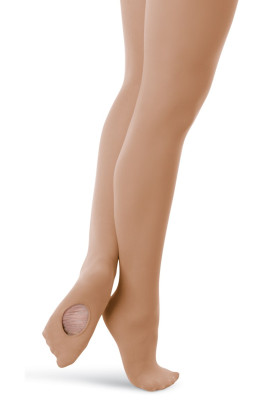
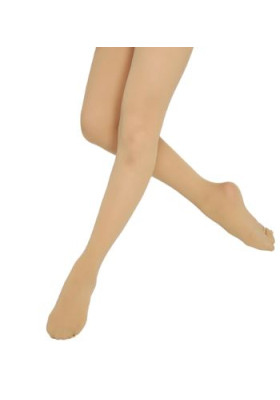
Ballet tights are not the same as everyday fashion tights. Dance tights are designed to stretch, move, and hold up through repeated class use. Footed tights create the traditional ballet line. Convertible tights have an opening under the foot, allowing dancers to roll them up or down as needed. Stirrup tights leave the heel and toes open, and are often useful for warm-ups or particular training preferences.
Color should match the studio rules. When a school offers inclusive guidance on skin-tone tights and shoes, follow those instructions so each dancer can feel comfortable and properly presented.
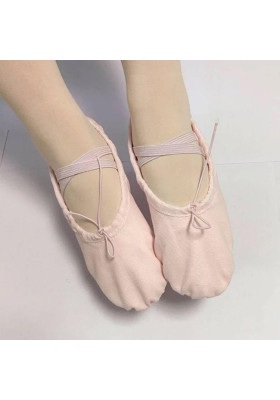
Ballet slippers
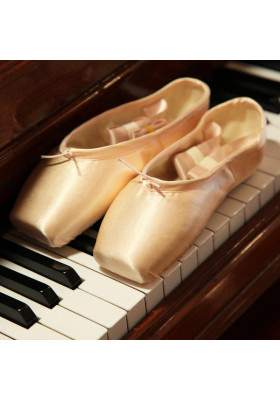
Beginning ballet students generally need soft ballet slippers, not pointe shoes. Pointe work requires significant training, strength, and specific approval from a qualified instructor. Buying pointe shoes before a teacher recommends them can create safety concerns and does not prepare a dancer for pointe technique.
Soft ballet slippers are available in leather or canvas. Leather usually offers durability and can mold gradually to the foot. Canvas is lightweight, breathable, and often preferred for its close-to-the-foot appearance. The right material depends on the studio, the dancer’s foot, class frequency, and personal preference.
A ballet slipper should fit like a second skin without squeezing the toes. There should not be a large empty space at the front, but toes must lie flat rather than curl. Elastic placement, drawstrings, and sole shape can affect the fit, which is why careful measurement or personal shoe fitting is worthwhile for new dancers.
Ballet Uniform Example: A Smart First-Class Outfit
For many children beginning a recreational ballet class, a sensible first outfit is a studio-approved leotard, matching footed tights, and properly fitted ballet slippers. Add a simple ballet skirt only if the teacher permits or requests it. Bring hair ties, pins, and a small dance bag to keep everything together.
For an adult beginner, a black or studio-approved leotard with convertible tights and soft ballet slippers is a dependable starting point. A fitted top and leggings can work in classes that allow them, though a leotard remains the clearest option for instructors checking posture and placement. Bring light layers for warm-up, particularly during colder Canadian months, but expect to remove bulky pieces once class begins.
This is one area where more is not always better. A new dancer does not need multiple skirts, elaborate warm-ups, or advanced accessories before the first lesson. Start with the required basics, then add pieces once the dancer understands the class routine and personal comfort preferences.
How to Get the Fit Right
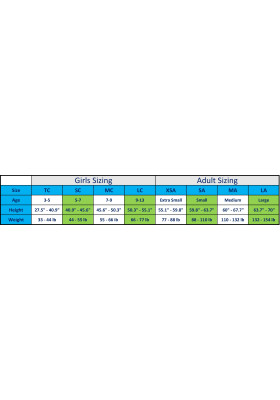
Dancewear sizing varies between brands, so a child’s everyday clothing size is only a starting point. Take current measurements for girth, chest, waist, hips, inseam, and foot length when possible. Girth, measured from one shoulder down through the legs and back to the shoulder, is particularly useful for leotard sizing.
Try on dancewear with the movements it needs to handle. Have the dancer raise both arms, bend their knees, point and flex their feet, and sit down briefly. The leotard should not ride up, tights should not slip at the waist, and shoes should stay secure without pinching.
Growth is a real consideration for children, but buying far too large can interfere with safe movement and make a dancer self-conscious. A little growing room may be reasonable when the garment still sits close to the body. If the straps fall, the crotch hangs low, or the shoe folds heavily at the toe, it is too large now.
Hair, Underlayers, and Class Readiness
Most ballet teachers ask for hair to be secured away from the face and neck. A classic bun is common for longer hair, particularly in more structured classes, but a smooth ponytail or braid may be accepted for younger students. The studio’s policy should guide the final choice.
Underlayers should be discreet and secure. A leotard with appropriate lining often removes the need for extra layers for younger dancers. Older dancers may choose dance-specific undergarments that stay hidden under the leotard and do not shift during movement.
Keep ballet shoes for indoor studio use unless the instructor says otherwise. Wearing them outside brings grit onto the dance floor and shortens the life of the sole. Label shoes, bags, and removable layers, especially when children attend busy after-school classes.
A ballet uniform should make a dancer feel prepared, comfortable, and ready to learn. If you are unsure about a leotard length, a slipper fit, or the difference between class shoes and performance shoes, getting knowledgeable guidance before the first class can turn a stressful purchase into an easy start.
Tags ballet uniform, ballet slippers, ballet tights, ballet leotard, ballet shoes, point shoes
Related Products
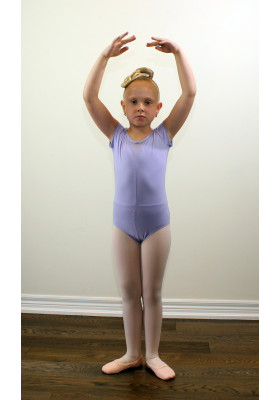
Ballet Girls Leotard 07
$30.00CAD

Ballet Girls Leotard Dress 05
$20.00CAD
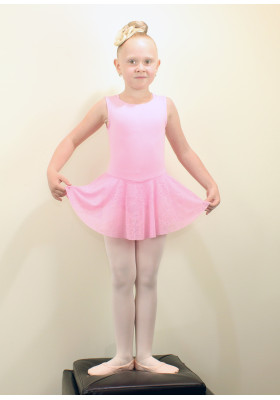
Ballet Girls Leotard Dress 10
$45.00CAD

Ballet Girls Leotard Dress 11
$35.00CAD
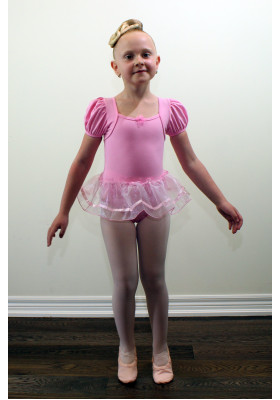
Ballet Girls Leotard Dress 12
$35.00CAD
Ballet Pointe Shoes
$75.00CAD

Ballet Warm-UP 01
$25.00CAD