


- 09 August, 2026
- 286
- 0
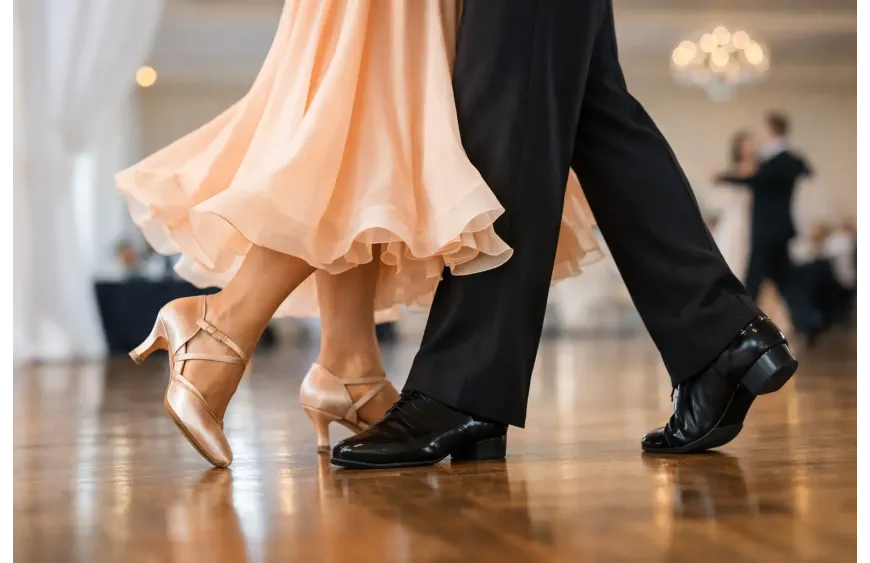
A Smooth routine can move from a sweeping heel lead into an open line, a fast pivot, and a dramatic dip in just a few counts. Your footwear needs to keep up. The right american smooth dance shoes give you a stable connection to the floor without making your feet feel locked in, so you can travel, turn, point, and present every shape with confidence.
American Smooth shares ballroom roots with Standard dancing, but its movement has a different feel. It allows more open work and expressive choreography, which changes what many dancers need from a shoe. A well-chosen pair should support the technique behind your dancing while still looking polished for a social floor, showcase, or competition.
What Makes American Smooth Dance Shoes Different?
Smooth dancers need controlled movement across the floor. That means a shoe must help you create clean heel leads, maintain balance through rotational figures, and glide rather than stick. At the same time, the shoe has to accommodate open positions, leg lines, and choreography that may ask more of the ankle and forefoot than a traditional closed-hold ballroom routine.
For many ladies, a closed-toe ballroom-style shoe is the natural starting point. It creates a classic, continuous line through the foot and is especially useful for dancers who want more coverage and security. A court shoe with a supportive upper and a well-placed heel can feel dependable during traveling patterns and backward steps.
However, there is no single correct style for every Smooth dancer. Some dancers prefer an open-toe design for a lighter look or a more flexible feel through the forefoot. This can work beautifully for social dancing, performances, and certain competition settings. If you compete, always check your event's current dress and footwear rules before choosing an open-toe style.
For men, Smooth shoes are typically black leather or patent ballroom shoes with a low, stable heel and a suede sole. The appearance is formal, but the function is athletic: secure foot placement, quiet weight transfer, and enough flexibility to articulate through the foot.
Start With the Sole, Not the Sparkle
The outsole does more for your dancing than any decorative detail. Most proper American Smooth dance shoes have a suede sole because it offers the controlled slide dancers need on a suitable ballroom floor. Rubber soles can grip too strongly, making pivots harder and placing extra torque on the knees or ankles.
A suede sole is not meant for wet pavement, parking lots, or rough outdoor surfaces. Put your dance shoes on when you arrive at the studio or venue, and carry them in a dance bag afterward. A shoe brush helps lift compacted dirt from the suede and restore a more consistent glide.
The right amount of traction depends on the floor. A newly cleaned wood floor may feel faster than a carpeted practice space, while some community halls have more resistance. If your shoes feel too slippery, do not assume the shoe is wrong immediately. Brush the sole, assess the floor, and give yourself time to adjust before replacing a pair that otherwise fits well.
Why heel placement matters
Heel height is a personal and technical decision. A higher heel can create a longer-looking leg line and a more elevated presentation, but it also demands greater strength, balance, and ankle control. Dancers returning after time away, beginners, and those practicing for long periods often do better in a lower heel.
For ladies, a flared heel is a popular Smooth option because it provides a broad base of support while preserving an elegant profile. A slimmer heel may suit an experienced dancer who is comfortable with its balance point, but it is not automatically the better choice. The best heel is the one that lets you stand over your foot, move through your weight changes, and finish a long practice without fighting for stability.
Men generally need a low heel that supports posture and allows clear heel leads. The shoe should feel secure at the back of the foot without rubbing the Achilles area or slipping during backward movement.
How American Smooth Dance Shoes Should Fit
Dance shoes should fit more closely than everyday shoes. They are designed to become part of the foot, not to leave room for thick socks or casual comfort. Yet close-fitting does not mean painful. Your toes should lie flat, the ball of your foot should sit at the widest part of the shoe, and your heel should remain secure as you walk and rise.
Ladies should pay close attention to the toe box. In a closed-toe shoe, the toes should reach the front without being curled, crushed, or forced against the tip. A little snugness in a leather or satin upper may ease with wear, but a shoe that causes sharp pressure at the first fitting is unlikely to become a good dance shoe.
In an open-toe style, the toes should not slide over the front edge. The straps should hold the foot firmly enough to prevent forward movement during turns, while still allowing normal circulation. If the foot shifts inside the shoe, you lose precision and may start gripping with your toes to compensate.
For every dancer, check the heel cup. A slight initial snugness is normal, but repeated heel lift is a warning sign. It can lead to blisters, instability, and an unsettled feeling on backward steps. Width matters just as much as length, especially for dancers with a broader forefoot or a narrow heel. A shoe that looks beautiful but does not match the shape of your foot will distract from your dancing.
Choose for Your Current Dance Life
A dancer preparing for a first social Smooth class does not necessarily need the same shoe as someone rehearsing a championship routine. Consider where and how often you will use the pair.
For social dancing and weekly lessons, prioritize comfort, support, and a versatile heel height. You may spend several hours on your feet, dance with partners of varying experience, and encounter different floor conditions. A secure, classic shoe is often the most useful choice.
For showcases, appearance may carry more weight. Satin finishes, rhinestones, or a more dramatic heel can complement a costume and help complete the visual line of a performance. Just make sure the shoe has been worn enough in practice that it feels familiar onstage. A showcase is not the place to discover that a new strap rubs or a heel feels unstable.
For competition, the decision depends on your division, choreography, dress requirements, and personal technique. Your shoe should support the way you dance, not simply match what another competitor wears. Confirm event regulations early, particularly if you are considering an open-toe style or a highly decorative design.
Practice shoes have a place too
If you train several times each week, a dedicated practice or teaching shoe can extend the life of your competition pair. Practice shoes often provide added cushioning, a lower or more stable heel, and a look that works for long studio sessions. They may not have the exact silhouette you want for the floor, but they can reduce fatigue while you build timing, frame, and footwork.
Some dancers prefer to rehearse exclusively in the same shoes they will wear for an event. That approach can help with consistency, particularly when preparing challenging pivots or lines. The trade-off is faster wear on a more specialized pair. It depends on your schedule, budget, and how different your practice environment is from the competition floor.
Break In New Shoes Without Breaking Down Your Feet
New dance shoes need a short adjustment period, even when the fit is correct. Wear them first for a brief practice at home or in the studio, focusing on walking, weight changes, rises, and gentle turns. Then increase your time gradually over the next few sessions.
Do not soak, over-stretch, or aggressively bend a shoe to force a faster break-in. You can weaken straps, distort the upper, or change the support that made the shoe suitable in the first place. If a particular area rubs, address it early with appropriate dance footwear accessories or a fit adjustment rather than trying to dance through pain.
Keep an eye on wear patterns. A worn heel tip can affect balance and damage floors, while a dirty suede sole can make your movement unpredictable. Regular care is simple, and it helps your shoes feel reliable when you need them most.
Get Fitted for the Movement You Actually Do
A proper fitting is about more than finding a size label. Walk in the shoes, test your rise and lowering, take a few controlled turns, and notice whether your weight stays centered. Bring the hosiery or socks you normally wear for dancing. If you have a recurring pressure point, old injury, or unusually narrow or wide foot, mention it before trying styles.
At Dancewear Champions, dancers can explore specialist footwear with personal fit guidance in Thornhill, making it easier to compare heel heights, uppers, widths, and styles before committing to a pair. That extra attention is especially useful when buying your first Smooth shoe or changing from a social shoe to a competition-ready option.
The best pair will not ask you to think about your feet every eight counts. It will let you focus on the music, your partner, and the distinctive freedom that makes American Smooth so satisfying to dance.
Tags Dance shoes, Smooth Dance shoes, American Smooth Dance Shoes, Men Smooth Dance Shoes, Women American Smooth Dance Shoes