


- 11 August, 2026
- 313
- 0
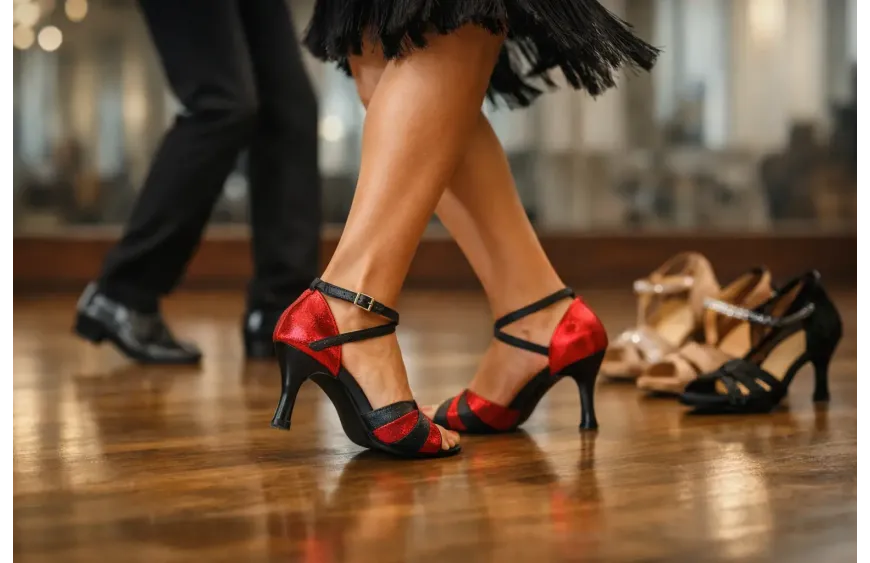
That moment when the music changes direction and your foot stays behind is rarely a rhythm problem. Often, it is a shoe problem. The right bachata dance shoes women choose should let the foot articulate, support the ankle, and turn smoothly without making a beginner feel unsteady or an experienced dancer feel restricted.
Bachata is social, close, and often playful, but its footwork asks a great deal from footwear. You need a sole that can pivot, a fit that stays secure through side steps and turns, and enough comfort to keep dancing through a full class, social, or weekend event. A beautiful shoe matters, especially for performances and special socials, but it should never come at the expense of control.
What Makes a Good Bachata Dance Shoe?
Bachata is usually danced on a smooth studio or ballroom floor, where a proper dance sole makes an immediate difference. Most dancers do best with a suede sole because it offers controlled glide. It allows you to rotate through turns and weight changes without the sudden grab of a rubber street sole.
A suede sole is not the same as slippery. It creates friction, but it is friction you can manage. With a shoe brush and regular care, dancers can adjust the sole’s grip for the floor beneath them. That makes a dedicated Latin or social dance shoe a much more reliable choice than sandals, sneakers, or fashion heels.
The upper should hold the foot close to the shoe. Bachata includes compact steps, taps, body movement, and turns that can expose even a small amount of slipping at the heel or toe. Look for straps, a closed heel cup, or a well-shaped vamp that keeps the foot centered. The best style depends on your foot shape and confidence level, not simply on what looks most dramatic in a photo.
Choosing Bachata Dance Shoes for Women by Heel Height
Heel height is one of the first decisions shoppers focus on, and it matters. But a higher heel is not automatically more advanced, more flattering, or better for bachata.
Low heels for new dancers and long social nights
A lower Latin heel is often the most practical place to start. It can help you find your balance, feel the floor, and build confidence in turns without placing too much pressure through the ball of the foot. This is a strong option for dancers returning after a break, anyone managing foot sensitivity, and women who expect to dance for several hours.
Lower heels can still look polished and dance-ready. A secure, well-fitted shoe with a modest heel will usually improve your posture and movement more than a taller heel that causes you to brace or shorten your steps.
Mid heels for versatile Latin dancing
For many social bachata dancers, a mid-height Latin heel offers the best balance of appearance, stability, and mobility. It creates a lifted line through the leg while remaining manageable for classes, socials, and practice. If you are comfortable transferring weight over the ball of your foot and can turn without gripping with your toes, this category may be a natural next step.
Heel shape matters alongside heel height. A flared heel has a broader base and tends to feel more stable. A slimmer heel can offer a more refined Latin look, but it asks more of your balance. Neither is universally right. The better option is the one that lets you dance naturally rather than cautiously.
Higher heels for experienced dancers and performances
Higher heels can create a striking line for showcases, Latin performance wear, and dancers who are already secure in their technique. They can also shift weight forward and increase pressure on the forefoot. If you feel unstable standing still, a high heel will not become more comfortable after three hours on the dance floor.
Consider saving a higher pair for shorter events, performances, or occasions when you have already built strength and familiarity in lower shoes. Many experienced dancers keep more than one pair for exactly this reason.
Fit Comes Before Style
Dance shoes should feel snug, but they should not cause sharp pain, numbness, or pinching. Unlike everyday shoes, a dance shoe needs to move with the foot closely enough that there is no delay when you point, pivot, or change direction. Still, your toes need room to lie naturally rather than curl for stability.
A common mistake is choosing a shoe that feels comfortable only when sitting down. Stand, walk, rise onto the ball of the foot, and test a few small turns. Notice whether the heel lifts, whether the straps cut into the foot, and whether the ball of the foot remains supported. If your foot slides forward, the shoe may be too large, too wide, or not suited to your foot shape.
Open-toe Latin shoes can be an excellent bachata choice, but check the toe opening carefully. Your toes should not push too far through the front, especially when weight moves forward. Closed-toe styles can offer more coverage and can feel reassuring for dancers who are concerned about crowded social floors.
Sizing also varies among dance shoe brands and styles. Your usual street shoe size is a starting point, not a guarantee. Materials, toe shape, strap placement, and width all influence fit. When possible, personalized fitting is particularly valuable for a first pair, a narrow or wide foot, or a dancer who has struggled with heel slip in the past.
Straps, Materials, and Details That Change the Feel
Straps are not just decorative. An ankle strap can make a shoe feel significantly more secure, particularly for turns and quick direction changes. T-strap and crisscross designs distribute support differently, so a style that feels perfect on one dancer may rub or shift on another.
Satin shoes create a classic competition-ready look, while leather and synthetic finishes can be easier choices for frequent social dancing. The trade-off is personal. Satin can be elegant and soft-looking but may show scuffs more easily. A leather or metallic finish may be more forgiving for regular wear, depending on the style and care routine.
Cushioning deserves attention, too. Bachata has a grounded quality, but dancers still spend plenty of time on the balls of their feet. Light padding can make a meaningful difference during longer sessions. It should support the foot without making the shoe feel bulky or disconnected from the floor.
When a Practice Shoe Is the Better Choice
A Latin sandal is not the only option for bachata. A practice shoe can be the smarter choice for weekly classes, teaching, travel, or dancers who prefer more coverage. These styles often combine a flexible suede sole with a more supportive upper, sometimes with laces or a closed front.
Practice shoes are especially useful when you are working on technique. They can help you stay comfortable enough to repeat drills, improve your balance, and focus on your lead or follow instead of thinking about your feet. They may not give the same bare-leg Latin appearance as a sandal, but they are often the pair dancers reach for most.
For outdoor patios, rough surfaces, or wet walkways, protect your dance shoes and change into them once you arrive at the dance floor. Suede soles are made for dancing, not for pavement. This simple habit helps preserve the sole and keeps it performing consistently.
A Simple Way to Test Your New Shoes
Before wearing a new pair to a major social, try them at home on a clean, suitable indoor floor or during a shorter class. Practice basic weight changes, side steps, turns, and a few bachata taps. The shoe should stay with your foot, allow a controlled pivot, and leave you feeling more stable rather than more tense.
Bring a shoe brush to keep suede soles ready for the floor, and give new shoes time to become familiar. Do not force a painful break-in period. Some materials may soften slightly with wear, but a shoe that is clearly too short, too narrow, or unstable on day one is unlikely to become your favorite pair.
For dancers in Toronto and the GTA, an in-person fitting at Dancewear Champions can take the guesswork out of selecting heel height, width, straps, and a shoe style that suits both your dance goals and your comfort.
Your bachata shoes should make it easier to listen to the music, trust your balance, and say yes when the next song starts.
Tags bachata dance shoes, dance shoes. social nights, Latin dancing, Practice Shoe
Related Products
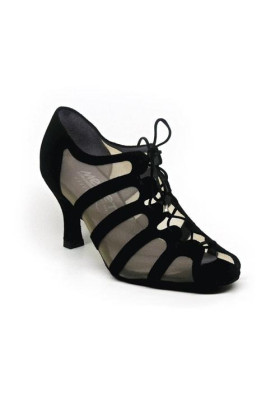
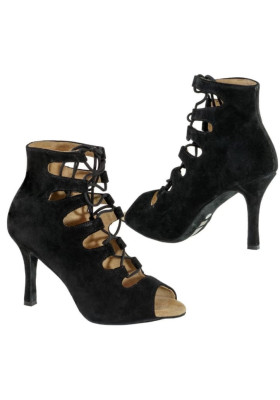
Galex - Kamilla - Slim Heel
$275.00CAD
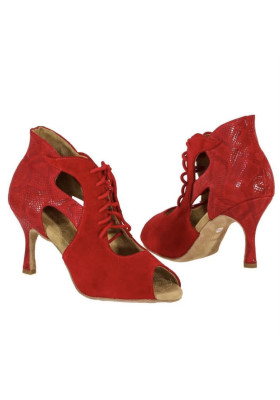
Galex - Zarina - Slim Heel
$275.00CAD
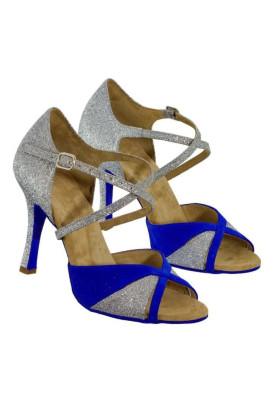
Galex - Emily - Heel - Slim 4-9 cm
$275.00CAD
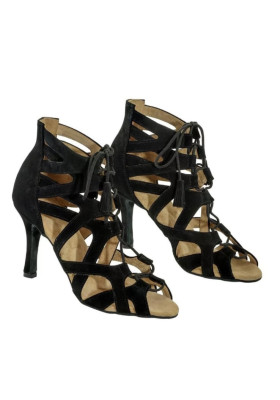
Galex - Bianka - Slim Heel
$275.00CAD
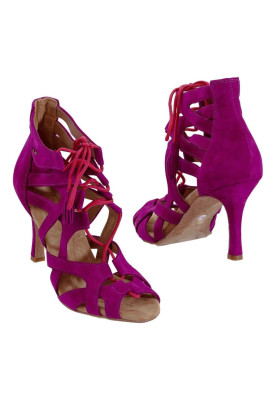
Galex - Hot Pink - Slim Heel
$275.00CAD