


- 17 August, 2026
- 106
- 0
-870x563.webp "Ballroom Practice Wear Women Need for Every Class")
The right ballroom practice wear women choose should disappear once the music starts. If a waistband rolls during a promenade, a skirt catches on a turn, or a top needs constant adjustment, it distracts from the reason you came to class: improving your dancing. Practice clothing should support clean movement, help you see your lines, and make it easy to move from warm-up to the final run-through with confidence.
For ballroom, Latin, social dance, and teaching, there is no single correct outfit. A smooth dancer may want a longer skirt that shows swing and rise, while a Latin dancer may prefer fitted separates that keep leg action visible. The best choice depends on your style, studio environment, comfort preferences, and how often you dance.
What Ballroom Practice Wear Women Need to Do
Practice wear has a different job from a competition gown or a special-occasion social dress. It needs to hold up to repetition. You may be drilling a single figure for twenty minutes, working through a long lesson, or moving between Standard, Latin, and conditioning in one evening. Your clothing should allow that work without feeling restrictive or overly precious.
Fit comes first. A well-fitted top, bodysuit, or leotard stays close to the body so your instructor can see posture, shoulder placement, and ribcage action. It should still allow full arm movement, particularly in ballroom frame. Look for soft stretch fabrics that recover their shape rather than becoming loose after a few wears.
Your lower half needs equal attention. Ballroom dancers often benefit from skirts that respond to movement without wrapping around the legs. Latin and rhythm dancers may choose skirts with a slit, a ruffle, or an asymmetric cut that reveals leg action and hip movement. Dance pants and leggings can be an excellent choice for technique classes, private lessons, or cooler studios, especially when paired with a fitted top.
The goal is not to look like you are dressed for competition at every practice. It is to wear something dance-specific enough to move properly, look polished, and let you focus on your body mechanics.
Build a Practice Outfit Around Your Dance Style
For ballroom and American smooth
Flow matters in Standard and Smooth. A practice skirt gives you visual feedback that leggings cannot always provide. When you rotate, lower, rise, and travel, the skirt should move with you rather than cling to your knees. Mid-calf and longer practice skirts are popular because they create a ballroom silhouette without the volume of a full gown.
Pair the skirt with a secure fitted top, bodysuit, or leotard. A bodysuit can be especially useful for dancers who dislike tucking and re-tucking a top during lessons. If you prefer more coverage, a long-sleeve top or a lightweight wrap layer can work well, provided it does not interfere with your frame.
Smooth dancers who are practicing lifts, open work, or faster choreography may occasionally prefer dance pants. That is a practical adjustment, not a compromise. Choose the garment that lets you work safely and clearly on the movement being taught.
For Latin, rhythm, salsa, and bachata
Latin practice clothing generally follows the body more closely. Fitted skirts, dance shorts with an overskirt, bodysuits, crop tops, and leggings all make it easier to assess hip action, weight changes, and leg lines. A skirt with purposeful movement can also help you feel the timing and character of cha-cha, rumba, samba, or salsa.
Be thoughtful about coverage and support. A top that feels fine when standing still may shift during spins or high-energy drills. Test your range of motion by lifting your arms, turning, and bending before class. If you are building your first dance wardrobe, a supportive bodysuit and one versatile practice skirt can cover a surprising number of lessons.
For bachata and social Latin classes, many dancers lean toward comfortable, fitted separates with a little more personal style. The key is still function. Avoid heavy denim, stiff seams, or loose layers that trap heat and limit motion.
Choose Fabrics That Can Handle Real Practice
The fabric of your practice wear affects how it feels after the first ten minutes. Dance-friendly stretch fabric is usually more comfortable than everyday fashion fabric because it moves with the body and returns to shape. Breathable materials are useful for long evenings, busy social dances, and classes where you rotate partners frequently.
Lightweight fabric is not automatically better. Very thin material may show every line, become see-through when stretched, or wear out quickly. On the other hand, fabric that is too heavy can feel hot and pull a skirt downward as you move. The right balance is soft, opaque, flexible, and durable enough for regular washing.
If you train several times each week, having a small rotation matters. Two or three dependable tops, one or two bottoms, and a layer for warm-up can prevent you from relying on a single favorite outfit before it has time to dry or recover. This is particularly helpful for dancers who commute to class or attend back-to-back lessons.
Do Not Treat Dance Shoes as an Afterthought
Even the best practice outfit cannot compensate for footwear that does not fit correctly. Ballroom practice shoes should support the style you are dancing, your foot shape, and your level of training. A secure shoe helps you use the floor with greater control, while an unsuitable shoe can make turns, footwork, and balance unnecessarily difficult.
For ballroom and Smooth, closed-toe styles are often preferred for a traditional look and added toe coverage. Latin, rhythm, salsa, and bachata dancers commonly choose more open styles that allow articulation and suit the character of the dance. Teaching and practice shoes can be a smart option for dancers who need a supportive, versatile shoe for many hours on the floor.
Heel height is personal. A lower heel may feel more stable for a beginner, a returning dancer, or anyone practicing for extended periods. A dancer who is already comfortable in a higher heel may want that height for continuity with performance or competition training. Neither choice is universally right. The shoe should feel secure at the heel, comfortable across the forefoot, and stable when you transfer weight.
Bring or wear the type of socks, tights, or foot protection you typically use when trying shoes. Small details can change the fit. Personalized fitting can be especially valuable when you are between sizes, have a narrow or wide foot, or need help choosing between a practice shoe and a more specialized ballroom or Latin style.
Layers, Undergarments, and the Details That Help
The details underneath and around your outfit often determine whether you feel prepared or distracted. Choose undergarments that stay in place and work with the neckline and back of your dancewear. For many dancers, dance briefs, supportive bras, or bodysuits provide a cleaner solution than everyday pieces that shift during turns.
A light wrap, fitted jacket, or warm-up layer is useful before class and during breaks. Ballroom studios can feel cool at the start of an evening, while your body needs time to warm up. Remove bulky layers before you begin partner work so your arms and frame remain unrestricted.
Keep hair controlled as well. A secure ponytail, bun, or braid can make spotting and turning more comfortable, and it prevents hair from becoming a distraction for you or your partner. If you carry dance shoes, clothing, hair accessories, and shoe-care essentials, a dedicated dance bag helps keep the routine simple.
How to Shop for Ballroom Practice Wear With Confidence
Start with the classes you actually attend, not the outfit you imagine wearing someday. If you take one weekly social ballroom class, a comfortable fitted top, a versatile skirt or dance pants, and properly fitted shoes may be all you need. If you train in both Standard and Latin, build around separates that can be mixed easily, then add a longer ballroom skirt and a more fitted Latin option as your schedule grows.
Pay attention to size charts, but do not rely on a label alone. Dancewear should fit differently from streetwear. It needs enough stretch to move, enough structure to stay in place, and the right length for your proportions. Inclusive sizing is not an extra consideration. Every dancer deserves clothing that allows them to train comfortably and feel at home on the floor.
At Dancewear Champions, dancers in the Toronto and GTA area can receive personal guidance when selecting practice apparel and dance shoes. That kind of assistance can be useful for a first pair of ballroom shoes, a new Latin practice skirt, or a wardrobe update before a showcase.
Your practice clothing does not need to be elaborate to make a difference. Choose pieces that fit well, move beautifully, and let you walk into every lesson ready to concentrate on the next step.
Tags ballroom practice wear, ballroom practice wear for women, practice wear, dance tops, dance skirts, dance pants, dance shoes
Related Products
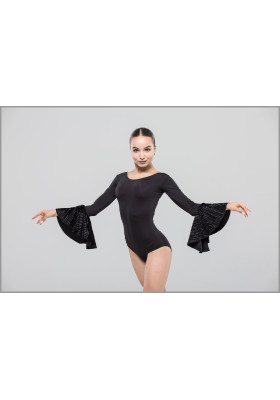
Leotard-35
$85.00CAD
-280x400.webp "Ballroom Skirt 04")
Ballroom Skirt 04
$250.00CAD

Ballroom Dress 02
$300.00CAD

Leotard-95 Black
$160.00CAD
Men Ballroom Vest 04
$250.00CAD
-280x400.jpg "Ballroom Skirt 24")
Ballroom Skirt 24
$280.00CAD