


- 16 September, 2026
- 14
- 0
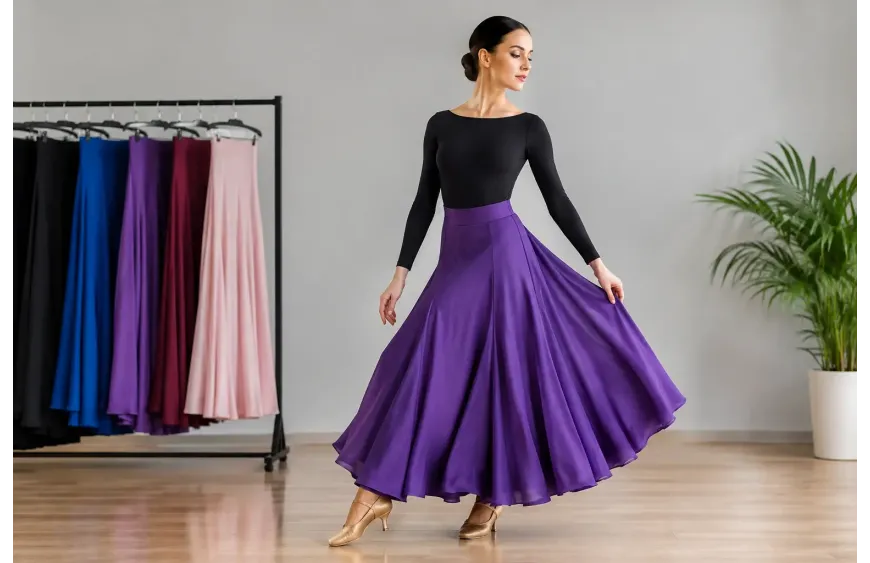
A ballroom skirt can look perfectly elegant while standing still and still be the wrong choice the moment you take a full step, turn, or lower into a waltz. This ballroom skirt review focuses on what dancers actually feel on the floor: how a skirt moves, stays in place, complements a partner hold, and holds up through practice or performance.
The best option is not automatically the fullest, sparkliest, or most formal one. A beginner attending a weekly social dance class may need an easy-care practice skirt with reliable stretch, while a competitive Standard dancer may prioritize float, visual line, and a finish that reads beautifully under bright lights. Start with where and how you will dance, then assess the garment from the waist down.
What a Good Ballroom Skirt Should Do
Ballroom and American Smooth skirts need to support long, traveling movement. Unlike many Latin skirts, which often emphasize leg action and sharper rhythm, a ballroom skirt should create a soft, uninterrupted line as you move across the floor. It should swing naturally during turns without wrapping around your legs or feeling heavy after several dances.
Fit at the waist is the starting point. A skirt that slides down, rolls at the waistband, or feels restrictive during rise and fall will pull your attention away from technique. Look for a secure elastic waist or a smooth, supportive waistband that sits comfortably without digging in. If you plan to wear a bodysuit or a tucked-in top, try the full outfit together. A waistband that feels fine over bare skin may behave differently over another layer.
The skirt should also allow a comfortable stride. Test this by taking a large forward step, a side step, and a gentle pivot. If the fabric catches at the knees, feels tight through the hips, or needs constant adjustment, choose a different cut or size. Dancers need clothing that lets them focus on connection, posture, and musicality rather than their hemline.
Ballroom Skirt Review: Fabric Changes the Experience
Fabric determines much of a skirt's personality. Lightweight chiffon and georgette create soft movement and airy volume. They are popular for social dancing, showcases, and competition looks because they respond beautifully to turns. The trade-off is that sheer fabrics often need a built-in brief, attached underskirt, or separate dancewear layer for confident coverage.
Stretch jersey, knit, and crepe styles tend to be practical choices for lessons and regular practice. They are usually easier to pack, simpler to care for, and less likely to show every small wrinkle. A jersey skirt may not create the same floating effect as layered chiffon, but it can offer excellent comfort for a long evening of dancing.
Satin delivers shine and a more formal look, especially for events and performances. However, it can feel less forgiving than stretch fabrics and may show pulls or snags more readily. When reviewing a satin ballroom skirt, check that the lining and seams are smooth, particularly if you will be dancing several rounds or wearing it over a bodysuit.
Mesh is often used as an overlay or inset. It can add movement without excessive bulk and can be especially flattering when placed strategically around the hip or hem. As with any sheer detail, test your coverage in motion rather than relying on a mirror while standing still.
Choose a Length That Works on Your Floor
Skirt length affects both safety and appearance. A full-length ballroom skirt can lengthen the body and create a classic Standard silhouette, but the hem must clear the floor. If it drags behind you, catches under your heel, or gets stepped on by a partner, it becomes a hazard rather than an enhancement.
For social dancers, tea-length and midi skirts are often an excellent middle ground. They offer visible swing and polish while keeping footwork easy to see. These lengths can also be more practical for classes, where you may move between dance styles or spend time working on technique without a partner.
Shorter practice skirts suit dancers who want unrestricted movement and a less formal feel. They can work well for drills, warm-ups, and mixed ballroom and Latin classes. Still, a very short skirt may not provide the coverage or line you want for a formal ballroom event. The right length depends on your comfort level, dance setting, height, and the shoes you will wear.
Always test the hem in your dance shoes, not just socks or street shoes. Ballroom heels change posture and leg line, and even a small difference in heel height can alter where a skirt falls.
Fullness, Panels, and Movement
A skirt's volume comes from its cut, panels, layers, and fabric weight. A circular or semi-circular skirt usually produces a generous swing with fewer interruptions in the line. Godet panels can add flare at the lower portion of the skirt while keeping the waist and hip area more streamlined. Layered skirts bring drama and dimension but may feel warmer or heavier in a crowded studio.
More fullness is not always better. An extremely wide skirt can feel beautiful during a slow turn, yet be impractical in a busy social dance venue. It can also create more fabric for a partner to accidentally catch during close-position figures. For weekly dancing, many people prefer moderate fullness that moves elegantly but remains manageable.
Consider how the skirt behaves at your natural tempo. A skirt that looks dramatic when spun quickly may hang flat during a foxtrot. Conversely, a softer jersey skirt may give exactly the gentle motion needed for lessons and social dancing. If possible, move through several figures rather than doing one quick twirl in the fitting area.
Details That Are Worth Checking
Construction matters, particularly when a skirt will be used often. Inspect the waistband stitching, side seams, hem finish, and any closures or decorative elements. A cleanly finished hem helps the fabric hang correctly and withstand repeated wear. Loose stones, fragile trims, or long fringe may look exciting, but they require more care and may not suit every practice environment.
Built-in briefs can be useful for performances, faster turns, and skirts with sheer overlays. Some dancers prefer the flexibility of wearing their own dance shorts or briefs underneath, especially when they need a specific level of support or coverage. Neither choice is universally better. The key is that you can move freely without worrying about the garment.
Color is also functional. Darker shades are versatile for class and pair easily with different tops. Rich jewel tones and brighter colors can stand out at a showcase or social event. For competition, confirm any costume or dress-code requirements before choosing a skirt with prominent embellishment, mesh, or dramatic layers.
Fit Advice for Different Dancers
For newer dancers, comfort and versatility usually offer the best value. A flattering skirt with stretch, secure coverage, and enough movement for basic turns will serve you far better than a delicate style that only works for special occasions. Choose a silhouette you will be happy to wear repeatedly, because confidence grows through time on the floor.
Experienced social dancers may want two options: a durable practice skirt for regular classes and a more expressive skirt for parties, cruises, showcases, or special events. This approach helps preserve formal pieces while ensuring you always have something appropriate for a lesson.
Competitive dancers need to think beyond appearance. The skirt must work with the complete costume, the event rules, the choreography, and the visual impression created from every angle. A garment that looks exceptional in a photo may not offer enough freedom for a demanding routine. Rehearse in it before event day, including with the accessories and shoes you plan to wear.
Body shape should guide fit, not limit style. An A-line skirt can create easy movement and balance through the hip, while a high-waist design can give a longer visual leg line. A fitted upper section with a flared hem can be a strong choice for dancers who prefer definition without sacrificing swing. The most flattering skirt is usually the one that stays comfortable enough for you to stand tall and move naturally.
When Personal Fitting Makes a Difference
Online size charts are valuable, but dancewear sizing varies by fabric, cut, and intended fit. Measure your natural waist and fullest hip, then compare those measurements to the specific garment chart whenever one is available. If you fall between sizes, consider whether the fabric stretches, whether you will layer underneath, and whether the design should fit close or flow away from the body.
For dancers in the Toronto and GTA area, Dancewear Champions can provide personal guidance in its Thornhill shopping location. Bringing your dance shoes and the top or bodysuit you expect to wear makes it easier to judge hem length, proportion, and overall movement.
A ballroom skirt should make you feel prepared to take the floor, not cautious about every turn. Choose the one that supports your movement, suits your setting, and lets the elegance of your dancing do the talking.
Tags Ballroom Skirt, Ballroom DANCE Skirt, LONG SKIRT, LONG DANCE Skirt, STANDARD DANCE Skirt
Related Products
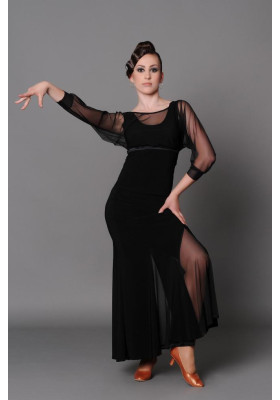
Ballroom Skirt 17
$121.00CAD
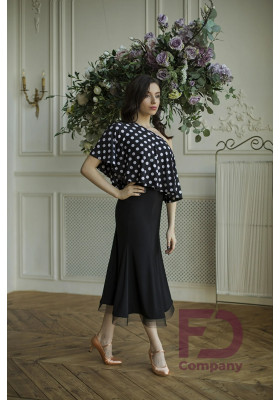
Ballroom Skirt 03 Black
$180.00CAD
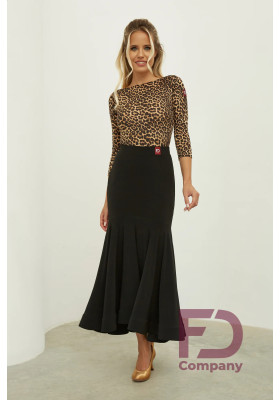
Ballroom Skirt 09
$170.00CAD
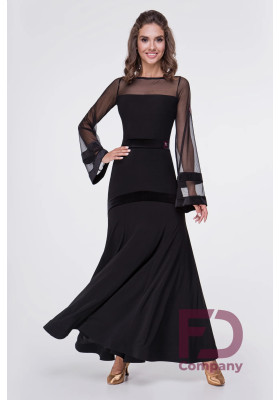
Ballroom Skirt 10
$200.00CAD
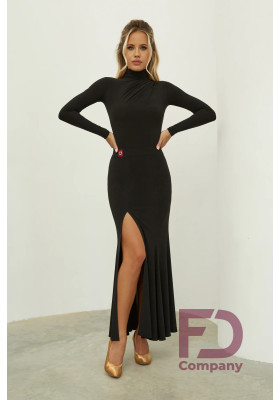
Ballroom Skirt 11
$180.00CAD
-280x400.jpg "Ballroom Skirt 24")
Ballroom Skirt 24
$280.00CAD
-280x400.jpg "Ballroom Skirt 29")
Ballroom Skirt 29
$380.00CAD