


- 31 August, 2026
- 7
- 0
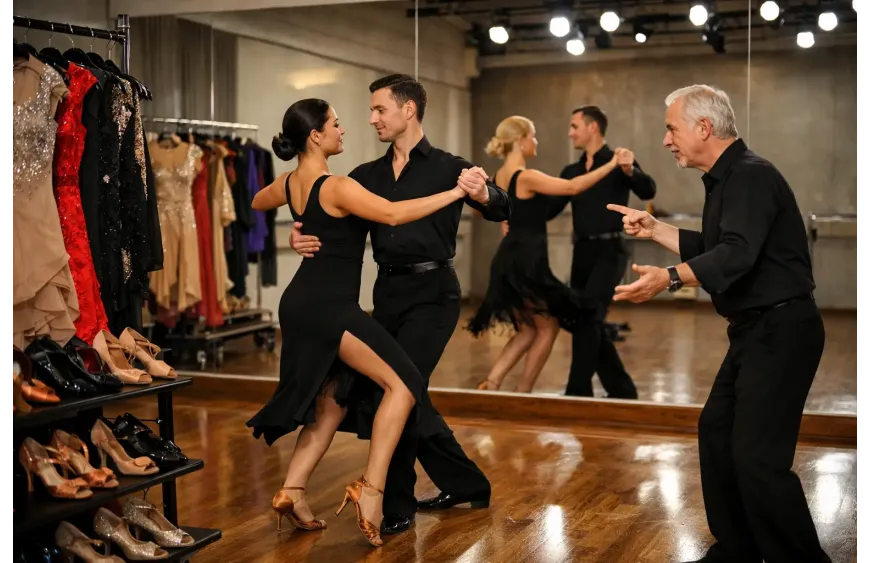
A bodysuit can look like a simple base layer on the hanger, but on the dance floor it has a bigger job. The best ballroom bodysuits stay in place through rotations, extend comfortably through a full dance frame, and create a clean line under a practice skirt, ballroom pants, or costume. When the fit is right, you stop adjusting your clothing and focus on connection, timing, and movement.
For social dancers, teachers, competitors, and students building a reliable practice wardrobe, a ballroom bodysuit is one of the most useful pieces to own. The right choice depends less on what looks best in a product photo and more on how you dance, what you wear it with, and how long you need it to perform.
What Makes the Best Ballroom Bodysuits Different?
Ballroom movement asks for a particular kind of comfort. In Standard and American Smooth, dancers need coverage and a polished upper-body line while maintaining a lifted frame. In Latin, rhythm, salsa, or bachata, the garment must keep up with sharper hip action, deeper bends, arm styling, and faster turns.
A good bodysuit should feel secure without feeling restrictive. It should lie smoothly at the waist so it can be tucked into a skirt or worn beneath high-waisted dance pants, and it should recover its shape after repeated wear. A loose torso may ride up during practice. A bodysuit that is too short can pull at the shoulders and limit arm movement, while one that is too large can wrinkle across the midsection.
The most flattering option is not always the most fitted-looking one. Dancers need enough ease to breathe, stretch, and hold posture for an entire lesson, social, rehearsal, or competition day. Look for a close, supportive fit rather than compression that makes movement feel forced.
Choose a Neckline for Your Dance Style
Neckline changes both the appearance and function of a ballroom bodysuit. It is worth choosing with your usual dance setting in mind.
A classic scoop or round neckline is a versatile starting point for practice and teaching. It offers a tidy look, works easily under skirts and jackets, and suits most body types. Higher necklines provide additional coverage and can create an elegant, elongated line for Standard practicewear. They are especially useful if you prefer to move confidently without worrying about a low front during spins or dips.
V-necks can be especially flattering when you want a more open, dressy look for Latin or social dancing. The depth matters: a modest V usually works across many settings, while a deeper neckline may be better reserved for performance styling or a bodysuit designed with secure construction. Wrap-inspired fronts and mesh panels can add visual interest, but check that they stay flat when you lift your arms and rotate your torso.
Sleeves deserve the same attention. Sleeveless styles offer maximum freedom and are easy to layer. Short sleeves are practical for busy studios and cooler venues. Long sleeves can create a beautiful ballroom line, particularly for practice, showcases, and smooth dancing, but the fabric must stretch well through the shoulders and elbows. If sleeves twist or pull when you take hold, the bodysuit is not working with your frame.
Fabric Should Support Movement, Not Fight It
Most dance bodysuits combine stretch fibers with soft performance fabric. The exact blend varies, but the goal remains the same: flexible movement, dependable recovery, and comfort against the skin.
For frequent practice, choose fabric that feels breathable and returns to shape after stretching. Lightweight fabrics are welcome in warm studios, while slightly more substantial materials can offer a smoother silhouette and greater confidence under bright lights. Mesh details can improve airflow and add elegance, although they may need gentler care than a simple solid-fabric style.
Avoid choosing by fabric weight alone. A thin bodysuit may be perfectly suitable if it is well constructed and layered appropriately. A thicker one may feel polished but become too warm during a high-energy Latin class. If you dance several styles, one streamlined bodysuit for Standard or teaching and one lighter option for Latin practice can be a practical wardrobe combination.
Fit Details That Matter on the Floor
The most useful fit test is movement, not standing still. Once you try on a bodysuit, raise both arms, reach forward as if taking ballroom hold, rotate your ribs, bend your knees, and take a few side steps. Notice whether the neckline shifts, the shoulder seams pull, or the leg openings pinch.
Torso length is one of the most common fit issues. Dancers with a longer torso often benefit from styles designed with generous length or adjustable closure options. A bodysuit should sit comfortably through the body without needing to be pulled downward. If you are between sizes, the size chart is a valuable starting point, but your torso measurement and preferred level of ease may matter more than your usual street-clothing size.
Pay attention to the leg line as well. Higher-cut legs can lengthen the appearance of the leg and work well beneath Latin skirts or fitted dance pants. More moderate cuts may feel more comfortable for all-day teaching, social dance, or conservative practice settings. Neither is universally better. The right choice is the one that lets you move freely and feel appropriately covered.
Closures are another personal preference. Snap closures can make changing easier, while a smooth, closure-free design may feel cleaner under close-fitting bottoms. Check that any hardware lies flat and does not press uncomfortably when you sit, bend, or dance for extended periods.
Styling Ballroom Bodysuits for Practice and Performance
A bodysuit earns its place in a dance wardrobe because it gives you options. For a polished practice outfit, pair a black or neutral bodysuit with a ballroom practice skirt. This creates clear movement in the lower body while keeping the upper body neat for lessons, coaching, and video review.
For Latin or rhythm practice, a fitted bodysuit can be worn with a fringe skirt, fitted practice skirt, leggings, or dance pants depending on the class and your comfort level. If you teach, a simple bodysuit under wide-leg ballroom pants or a skirt can look professional while allowing you to demonstrate steps all day.
For performance, think of the bodysuit as a foundation. It may sit beneath a costume, support a layered skirt, or become part of the finished look with rhinestones, mesh, appliqué, or coordinated accessories. A simple base can be especially helpful when a costume needs reliable coverage during lifts, spins, and quick changes.
Color has a practical role, too. Black remains a dependable choice because it coordinates with almost everything and creates a clean studio look. Skin-tone styles may be useful beneath costumes. Rich colors and elegant prints can bring personality to social dancing or showcases, provided they suit the event's dress expectations.
When a Bodysuit Is Better Than a Dance Top
A dance top is often comfortable and easy to wear, but it can shift upward during turns or come untucked when you are moving through strong body action. A bodysuit stays anchored, which is valuable when you want an uninterrupted line from the ribs to the hips.
That said, a bodysuit is not required for every dancer or every class. Some dancers prefer the airflow and flexibility of a separate top, particularly for casual practice. Others find that a bodysuit provides more confidence under a full skirt or high-waisted pants. It depends on your body, your dance style, and whether you are dressing for a relaxed group class, a teaching day, or a performance.
Finding Your Reliable Practice Base
Start with one versatile style that fits your most common use. A well-fitted black bodysuit with a secure neckline and comfortable stretch is often the hardest-working piece in a ballroom wardrobe. Once that foundation is covered, you can add sleeves, mesh, color, or more dramatic details to suit different dances and occasions.
At Dancewear Champions, dancers can find specialist guidance when comparing bodysuit fits, pairing practicewear, or choosing a performance-ready base layer. A few thoughtful minutes spent checking fit can save you from a garment that looks beautiful but distracts you every time you move.
The best choice is the bodysuit you can forget about once the music starts - because your posture feels supported, your lines feel clean, and your attention stays where it belongs: on the dance.
Tags Ballroom Bodysuits, Best Ballroom Bodysuits, Best Ballroom Bodysuits for Practice, Best Ballroom Bodysuits for Performance, Best Ballroom Bodysuits for Practice and Performance
Related Products
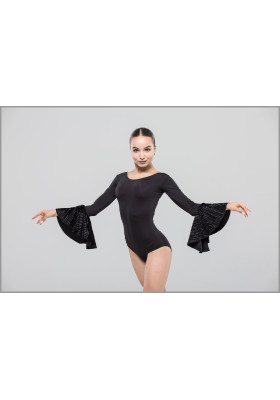
Leotard-35
$85.00CAD
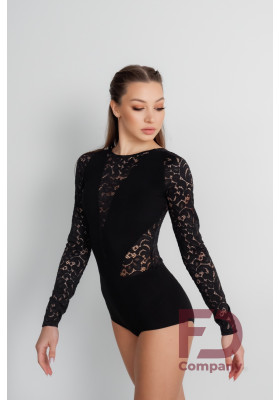
Leotard-68
$150.00CAD
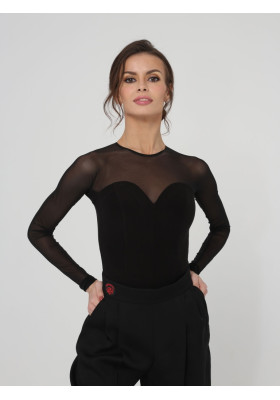
Leotard-18
$250.00CAD
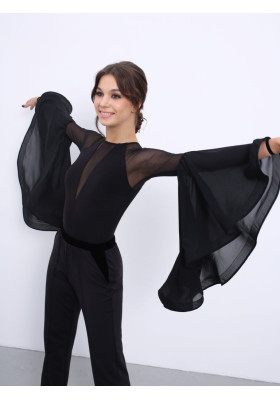
Leotard-54 Black
$280.00CAD

Leotard-95 Black
$160.00CAD

Leotard-54 Red
$300.00CAD
Sale
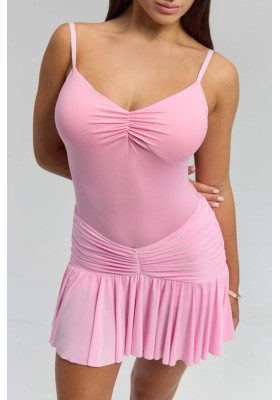
Leotard-56 Luminosa Pink
$290.00CAD $275.00CAD

Leotard-61 PB
$340.00CAD