


- 06 September, 2026
- 18
- 0
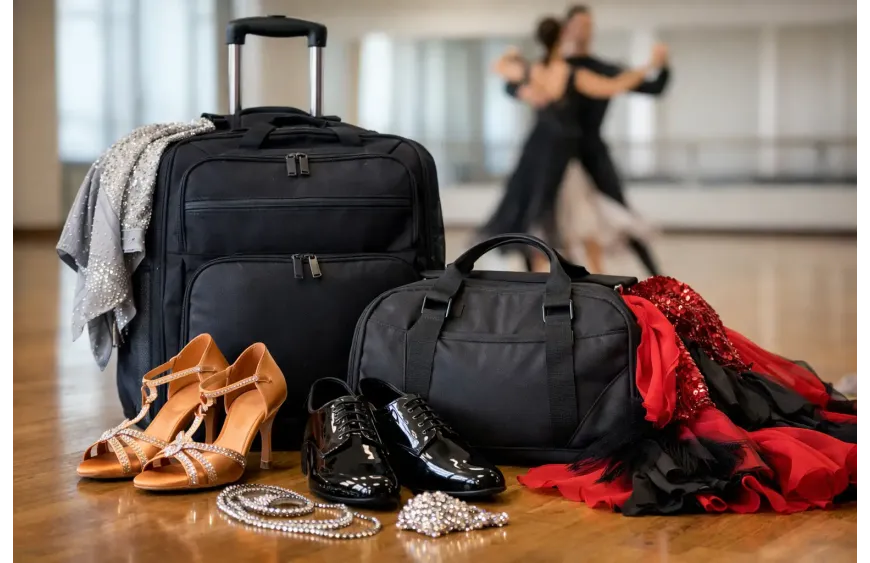
A competition day can begin before sunrise and finish long after the final heat. Between costumes, shoes, makeup, hair supplies, warm-up layers, snacks, and paperwork, a regular tote quickly becomes a frustrating pile. The best competition bags keep essential items protected, visible, and easy to reach when you have only a few minutes to change between rounds.
For ballroom and Latin dancers, a competition bag is not just luggage. It is part wardrobe station, part shoe organizer, and part backstage survival kit. The right choice depends on how you travel, how many costumes you bring, and whether you need space for one dancer or an entire youth competitor's day.
What Makes the Best Competition Bags Different?
A good dance competition bag should reduce the small stresses that can affect performance: crushed rhinestones, misplaced shoes, tangled accessories, or a dress that arrives wrinkled after a long drive. It needs enough structure to protect what is inside without being so heavy or oversized that it is difficult to maneuver through a busy venue.
Start with capacity, but do not assume bigger is always better. A dancer attending a local single-day event with one Latin costume and one practice outfit may be best served by a compact rolling bag. A couple traveling for a multi-day DanceSport competition may need separate garment bags plus a larger wheeled case for shoes, grooming supplies, and backup clothing.
The best design is the one that matches your real competition routine. Think about what you carry from the car to the ballroom, what stays in the changing area, and what must remain close at hand during the day.
Choose a Bag Style for Your Competition Day
Rolling Dance Bags
Rolling bags are a practical choice for dancers carrying several pairs of shoes, hair products, makeup, warm-up wear, and costumes that can be folded safely. They take strain off your shoulders and are particularly helpful in large hotels, convention centers, and venues with long hallways.
Look for a stable base, strong handles, and smooth wheels. A bag that tips when fully loaded can be more trouble than a shoulder bag. Internal dividers or exterior pockets are useful for separating clean dance shoes from cosmetics, snacks, and street shoes.
A rolling bag does have limits. It may not be suitable for a full ballroom gown with a large skirt or delicate float details, and stairs can make it awkward. Many competitors pair a rolling bag with a dedicated garment bag rather than relying on one case for everything.
Garment Bags for Gowns and Costumes
For ballroom gowns, Latin dresses with fringe, costumes with stones, or tailored menswear, a garment bag is often essential. It allows the garment to hang rather than be tightly folded, helping preserve shape and reducing wrinkles before you reach the venue.
Choose a garment bag long enough for your costume. Ladies competition dresses and full-length ballroom gowns may need more length than a standard suit bag provides. A gusseted style gives fuller skirts, multiple garments, or jackets more breathing room, while a clear panel or label pocket can make it easier to identify the correct look quickly.
If you are traveling by car, hang the garment bag carefully rather than placing heavy luggage on top of it. For air travel, check whether the bag can fold without sharply creasing delicate fabrics and embellishments. Some dancers carry their most important costume with them whenever possible, especially if it cannot easily be replaced before an event.
Backpacks and Carry-On Bags
A backpack works well as a secondary competition bag. It keeps high-priority items with you: a spare pair of shoes, competition numbers, jewelry, hairpins, touch-up makeup, phone charger, water, and a change of clothes. It is also a sensible option for youth dancers who need to manage some of their own belongings without handling a large rolling case.
For a full competition wardrobe, however, a backpack alone is rarely enough. Soft-sided backpacks offer less protection for shoes and accessories, and they can become difficult to organize when every item shares one main compartment.
Shoe and Accessory Bags
Dance shoes deserve their own protected space. Latin heels, ballroom shoes, practice shoes, men's standard shoes, and spare pairs should not be loose beside makeup or damp towels. A shoe bag with ventilation helps after a long day, while individual shoe compartments prevent soles from rubbing against costume fabric.
Small accessory organizers are equally valuable. Use them for earrings, cufflinks, hair accessories, rhinestone jewelry, extra hooks, safety pins, and shoe brushes. Clear pouches are especially helpful because they save you from emptying the whole bag to find one tiny item under pressure.
Features Worth Prioritizing
When comparing competition bags, focus on construction as much as appearance. Dance events can involve parking lots, elevators, crowded changing areas, and repeated loading in and out of a vehicle. Strong zippers, reinforced seams, and easy-to-clean materials matter over a full season.
Helpful features include a wide opening that lets you see the bag's contents, multiple compartments, a separate wet or shoe section, and a secure pocket for valuables. An exterior sleeve that slides over rolling luggage handles can also make travel easier. If you compete regularly, a bag with a light interior lining is useful because dark interiors can hide black hairpins, lashes, and small accessories.
Water resistance is a worthwhile consideration in Canadian weather. It will not replace careful packing, but it can offer extra protection when moving costumes and shoes between the car and the venue in rain or snow.
How Much Space Do You Actually Need?
Pack for your largest typical event, not your smallest practice session. A common mistake is choosing a beautiful compact bag that works for one outfit, then struggling when a second costume, backup shoes, and cold-weather layers must fit inside.
For a dancer with one competition dress, one backup outfit, two pairs of shoes, and basic grooming supplies, a medium rolling bag plus garment bag is often a balanced setup. A dancer entering multiple styles may need more capacity. Latin and ballroom competitors frequently carry separate shoes, distinct jewelry, different hair pieces, and costume changes that should not be mixed together.
Parents of juvenile and youth competitors may also want room for snacks, a sweater, paperwork, and emergency supplies. At the same time, choose a bag your child can help move safely. A very large case may hold everything, but it is less useful if it is too heavy to lift or navigate through the venue.
Pack Your Bag So It Works Backstage
The most useful competition bags are organized by when you need each item. Keep first-call essentials accessible: shoes, numbers, jewelry, hair supplies, and the costume for your earliest heat. Store less urgent items, such as extra warm-up wear or post-event clothes, deeper in the bag.
Use soft shoe bags or clean fabric covers around footwear before placing them near garments. Put liquids in sealed pouches, even if their lids seem secure. Hairspray, bronzer, and makeup spills are difficult to remove from satin, mesh, and rhinestoned dancewear.
It also helps to create a small emergency pouch that stays in the same pocket every time. Include safety pins, fashion tape, a small sewing kit, extra hairpins, blister protection, and costume fasteners. The goal is not to pack for every possible problem. It is to avoid losing time over the predictable ones.
When One Bag Is Not Enough
There is no prize for fitting an entire competition weekend into one oversized case. For many dancers, a two-bag system is more comfortable and better for costumes: one rolling competition bag for shoes, beauty supplies, practicewear, and personal items, plus one garment bag for gowns, dresses, or suits.
This approach also makes it easier to divide items between dancers. Partners can keep individual shoes and grooming supplies in their own bags while protecting shared costume pieces or jackets in a garment bag. For families, labeling each dancer's pouches and compartments prevents last-minute mix-ups.
At Dancewear Champions, dancers can find competition-ready bags alongside the shoes, apparel, shoe-care products, and accessories that need to travel with them. If you are unsure about size or bag style, consider the number of outfits and shoe pairs you take to a typical event before making your choice.
A well-chosen competition bag will not dance the heat for you, but it can help you arrive calmer, change faster, and give your costume the care it deserves. Pack with intention, leave room for the unexpected, and let your focus stay where it belongs: on the floor.
Tags Competition Bags, dance Competition Bags, best Competition Bags, best dance Competition Bags, Dance Wear Covers
Related Products
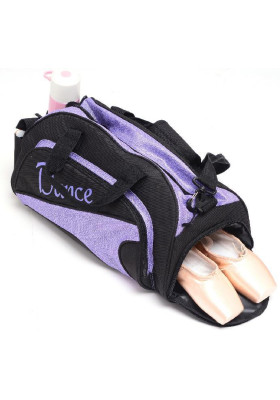
Dance Bag 01
$45.00CAD
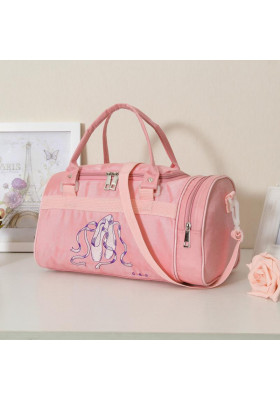
Dance Bag 02
$25.00CAD
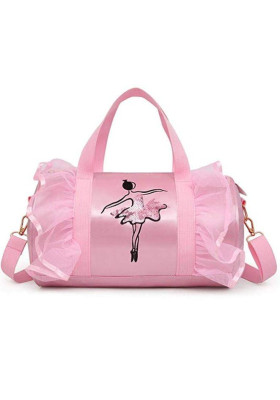
Dance Bag 03
$25.00CAD
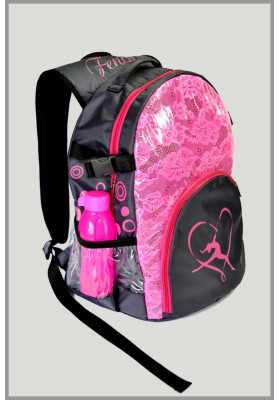
Dance Bag 09
$80.00CAD
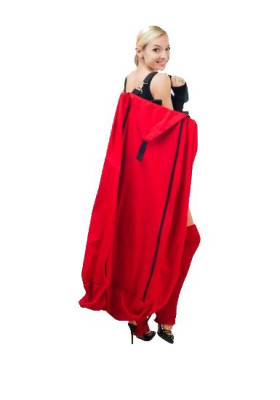
Dance Wear Covers 01
$80.00CAD