


- 26 October, 2026
- 15
- 0
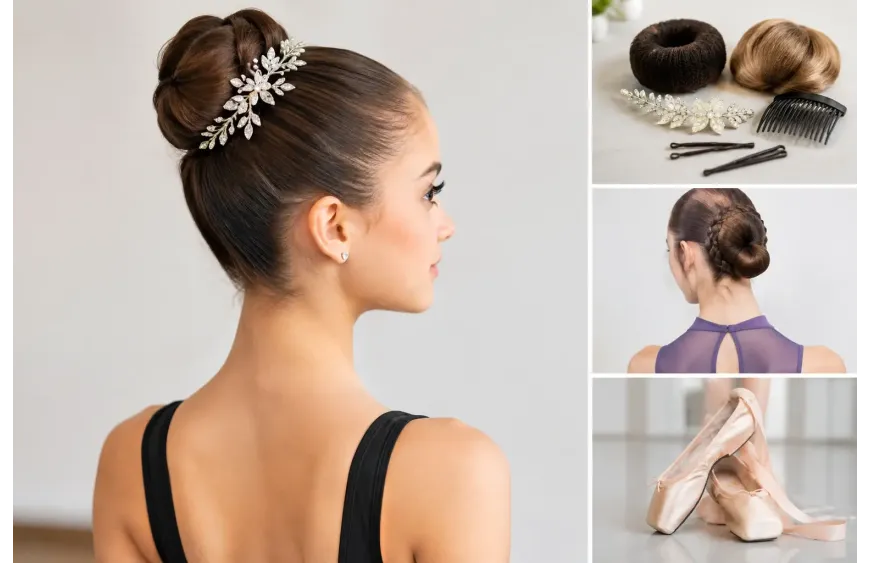
A loose bun can change the way a dancer feels before the music even starts. It pulls focus, catches on a costume neckline, and can make an otherwise polished look feel unfinished. The best dance hairpieces solve that problem by helping create a secure, intentional hairstyle that suits the dance, the venue, and the dancer's comfort.
For ballroom, Latin, ballet, showcases, and stage performances, the right hairpiece is not simply decorative. It needs to hold up through turns, travel well under lights, and complement the costume without becoming the main event. A good choice also makes preparation easier, especially for parents styling a young dancer or adults getting ready after a full workday.
What Makes a Dance Hairpiece the Right Choice?
A dance hairpiece should stay stable through movement while still looking natural from the audience and in photographs. That balance matters more than choosing the biggest bun, longest ponytail, or most sparkling accessory. Hairpieces that look beautiful in a mirror but shift during a fast Latin routine are rarely the best option.
Start with the hairstyle your dancer can comfortably wear. A compact bun, ponytail, braid, or smooth updo creates the anchor for most pieces. Then consider hair color, texture, and volume. A close match blends more naturally, while a deliberately contrasting piece can work for a theatrical costume or themed performance.
Weight is another practical detail. Heavy pieces can pull at fine hair and become uncomfortable over a long competition day. This is especially relevant for youth dancers, who may be less willing to tolerate pins or tight styles for hours. Lightweight synthetic buns, braided wraps, and hair nets often provide a polished finish without unnecessary strain.
The fastening method deserves just as much attention. Elastic bands and drawstrings are useful for buns and ponytails, while combs and clips can offer extra stability when placed correctly. For intense movement, use the hairpiece as part of a secured style rather than depending on its built-in clip alone. A few well-placed bobby pins and a hair net can make a major difference.
Best Dance Hairpieces by Dance Style
The best choice depends on whether the dance calls for classic polish, high-energy glamour, or a clean line that keeps attention on technique.
Ballroom and American Smooth
Ballroom and American smooth hairstyles usually benefit from elegant, controlled volume. A low or mid-height bun is a dependable option because it keeps the neckline clear and supports the elongated look of standard dancing. A smooth bun hairpiece can add fullness for dancers with shorter or finer hair without requiring a complicated updo.
For a formal ballroom gown, select a hairpiece that supports the costume rather than competing with it. A neat brunette, blonde, black, or auburn bun in a close color match often looks more refined than an oversized style. Rhinestone pins or a small decorative comb may be enough for extra light-catching detail.
If the dancer wears a dramatic backless gown or a costume with a high collar, test the hairpiece with the outfit before competition day. The bun should not rub against fabric, snag jewelry, or get in the way of the partner's frame.
Latin, Salsa, and Bachata
Latin hair can carry more drama, but it still needs discipline. Fast spins, sharp head action, and energetic choreography mean loose curls and unsecured extensions can become distracting quickly. Sleek buns, braided buns, and compact ponytail pieces tend to perform well because they stay close to the head.
A high ponytail can be striking for a showcase or a Latin routine when the costume and choreography support movement in the hair. The trade-off is control. A long, heavy ponytail may whip across the face or shoulders during turns, so dancers should rehearse in the full style, not just try it on at home.
For Latin competition, sculpted hairlines, smooth side parts, and carefully placed rhinestone accessories can create a strong finish. Keep embellishments balanced. One focal point near the bun or side part usually reads better than sparkle scattered across the entire head.
Ballet and Classical Performances
Ballet hairpieces are generally about uniformity, security, and a clean silhouette. A bun kit, donut-shaped bun form, or bun hairpiece can help create the rounded shape expected for class, examinations, and performances. A hair net in the dancer's hair color is essential for keeping flyaways contained.
For younger dancers, a simple bun is often the most reliable choice. It is easier for teachers to approve, less likely to come apart during multiple routines, and less distracting than elaborate accessories. If a production calls for a crown, floral piece, braid, or character-specific headwear, place it over a finished bun rather than using it as the primary means of holding the hair in place.
Jazz, Tap, Musical Theater, and Acro
These styles allow more flexibility, but the hairstyle must still fit the movement. A ponytail hairpiece can bring energy to jazz choreography, while braids can suit tap or themed musical theater routines. For acro or gymnastics-inspired performances, avoid bulky pieces that may press against the floor during rolls, balances, or floorwork.
Stage distance changes what the audience sees. A hairpiece that seems modest up close may be exactly right under theater lighting. Conversely, a large accessory can overwhelm a smaller dancer or draw attention away from a detailed costume. Rehearsal photos and videos are useful for checking the overall effect.
How to Secure a Hairpiece for a Full Dance Day
The foundation comes first. Begin with dry hair that has enough texture to hold pins. Very freshly washed, silky hair can be harder to control, so a small amount of styling product may help. Create a firm ponytail or bun base, then secure the hairpiece around it according to its design.
For a bun hairpiece, wrap or position it around the natural bun, then pin at several points around the base. Place pins in a crisscross pattern where possible, catching both the dancer's own hair and the hairpiece. Cover the finished style with a matching hair net if needed, especially when the piece has loose fibers or a textured finish.
Do a movement test before leaving home. The dancer should turn the head quickly, bend forward, raise the arms, and practice a few spins or jumps. If the piece shifts during this test, it will shift more under pressure. Fixing the style early is far easier than searching for pins backstage.
Bring a small hair kit to class, rehearsal, or competition. Include extra bobby pins, hair nets, elastics, a comb, and any decorative clips needed for touch-ups. Keeping these items together in a dance bag prevents last-minute scrambling when a pin disappears between heats or routines.
Choosing Color, Texture, and Size
The closest color match is usually the safest choice, particularly for formal ballroom, ballet, and uniform studio performances. Compare the hairpiece in natural light when possible. Indoor lighting can make blonde look warmer, brown look redder, and black appear softer than it does on stage.
Texture matters too. A smooth, glossy bun may look out of place against naturally curly hair unless the dancer plans to slick the entire style. A braided wrap can add detail, but it should align with the costume and the dancer's age. In most competition settings, clean and intentional beats complicated.
Size should match the dancer's frame, hair density, and costume scale. A very large bun can look theatrical on a petite child, while an undersized piece may disappear against a voluminous ballroom gown. If you are unsure, choose moderate volume first. It is easier to add a small accessory than to make an oversized hairpiece look subtle.
Common Mistakes to Avoid
The most common problem is treating a hairpiece as a last-minute costume extra. It should be tested with the costume, earrings, neckline, and planned makeup before the event. This is how dancers discover whether a bun sits too high for a collar, a clip catches on sequins, or a ponytail becomes too heavy after several rounds.
Another mistake is using too much decoration at once. Hair jewelry, rhinestone mesh, flowers, glitter spray, and a textured extension can all work individually, but together they can look busy. Let the dance costume guide the level of embellishment.
Finally, do not sacrifice comfort for a perfect photo. A hairstyle that causes headaches or pulls at the scalp can affect concentration and posture. The right piece should help a dancer feel prepared, not give them one more thing to worry about.
For dancers and families choosing their first competition-ready style, personal guidance can be especially helpful. Dancewear Champions can help Toronto-area dancers coordinate hair accessories with the practical needs of ballroom, Latin, ballet, and performance wear. Bring a photo of the costume or describe the routine, then build a look that stays secure long after the first count of eight.
Tags dance hairpieces, ballet accessories, dance accessories, Hair Clips
Related Products

Black U Shape Hair Pins
$15.00CAD

Metal Hair Clips 01
$10.00CAD