

- 06 August, 2026
- 186
- 0
-870x563.webp "Best Dance Shoes in Toronto for Every Dancer")
A beautiful pair of shoes can still be the wrong pair for dancing. If the heel is unstable, the sole grips too much, or the fit pinches after one song, your feet will tell you quickly. Finding Dance Shoes in Toronto means looking beyond color and style to choose footwear that supports the way you actually move.
The right shoe helps you turn, point, balance, and connect with the floor comfortably. It should suit your dance style, training schedule, foot shape, and experience level. A first-time salsa student and a competitive ballroom dancer may both need a proper fit, but they will not necessarily need the same shoe.
What Makes Professional Dance Shoes Different?
Professional Dance Shoes are designed for movement on a dance floor, not for everyday pavement. Most ballroom, Latin, and social dance styles need a suede sole or another dance-specific sole that gives controlled glide. You want enough traction to feel secure, but not so much grip that your knees and ankles absorb the force of every turn.
The construction also matters. Dance shoes are typically lighter and more flexible than street shoes, allowing the foot to articulate through a step, rise onto the ball of the foot, or point the toe. Straps, vamp shape, heel placement, and the flexibility of the upper all influence how secure the shoe feels once you begin dancing.
That does not mean every dancer needs the softest or highest-heeled style available. A flexible shoe can feel wonderful for Latin work, while a more supportive ballroom court shoe may be the better choice for smooth movement, teaching, or long practice sessions. The best choice depends on the job the shoe needs to do.
Choose Toronto Dance Shoes by Dance Style
The easiest way to narrow your options is to start with your primary style. If you take several styles in one week, choose based on the class, event, or competition where you need the most support.
Latin, Salsa, and Bachata
Latin shoes are often open-toe or strappy for ladies, with a flexible sole and a heel that supports quick weight changes. They are made for pointed feet, sharper leg lines, spins, and rhythm-based movement. The straps should hold the foot securely without cutting across the toes or rubbing at the ankle.
For men, Latin shoes usually have a slimmer profile and a raised heel that helps create the correct posture and weight placement. A properly fitted Latin shoe should feel close to the foot. Excess room can make turns less precise and allow the foot to slide inside the shoe.
Beginners do not need to start with a very high heel. A lower, stable heel often builds confidence faster, especially when you are learning balance, turns, and foot placement.
Ballroom and American Smooth
Ballroom and standard shoes are designed for traveling movement, rise and fall, and a polished line across the floor. Ladies commonly choose closed-toe court shoes, while men typically wear ballroom shoes with a smooth, supportive shape and a suede sole.
For American smooth, your needs can vary depending on whether you prefer open-toe styling for certain dances or a more traditional closed-toe shoe for consistency. The key is stability through the heel and arch, particularly when you are moving backward or maintaining a long frame with a partner.
A court shoe should feel secure at the heel and snug across the front without crushing the toes. If your heel repeatedly slips when walking or dancing, the size, width, or shoe shape may not be right.
Social Dance, Practice, and Teaching
Social dancers and instructors often spend more time on their feet than they expect. A practice shoe, teaching shoe, or dance sneaker can be a practical choice when comfort and durability matter as much as presentation. These styles can provide more coverage and cushioning while still allowing the controlled movement needed for turns.
Practice footwear is especially useful for dancers who take multiple weekly classes, attend socials, or teach for several hours. It may not have the competition look of a satin Latin sandal, but it can be the shoe you reach for most often. Many experienced dancers keep one pair for practice and another for showcases or competition.
Children and Youth Dancers
Youth dance shoes should fit securely while leaving appropriate room for growing feet. Parents are often tempted to size far up for longevity, but shoes that are too large can affect balance, technique, and confidence. A small amount of growing room may be appropriate, but a child should not be gripping with their toes to keep a shoe on.
For young ballroom or Latin dancers, heel height, sole type, and competition regulations may all affect the right selection. Bring the dance school or event requirements when possible, especially for juvenile competition dresses and footwear planning.
How the Best Dance Shoes Should Fit
Dance shoes generally fit more closely than regular shoes. That can feel surprising at first, particularly for dancers used to roomy sneakers. A close fit improves control, but close does not mean painful.
Your toes should lie naturally rather than curl. In an open-toe shoe, the toes should not spill far over the front when you place weight through the ball of the foot. In a closed-toe shoe, there should be no sharp pressure at the longest toe. The heel should feel held in place, and straps should be secure enough that the foot does not shift during a turn.
Pay attention to width as well as length. A shoe that is technically the correct length can still cause numbness, rubbing, or instability if it is too narrow or too wide. Different brands and shoe designs fit differently, which is one reason personal fitting guidance can save time and uncomfortable returns.
Try the shoe with the hosiery, socks, or inserts you expect to use. Walk, rise onto the balls of your feet, take a few controlled turns, and check whether your foot slides forward. A shoe that feels acceptable while standing still may reveal a problem once you start moving.
Heel Height Is a Technique Decision
Higher heels can create a longer leg line and are common in Latin and performance settings. They also shift body weight forward, demand more ankle control, and can fatigue the feet sooner. For dancers developing their technique, a lower heel is not a compromise. It is often the smart foundation for better balance and cleaner movement.
Choose a height you can control for the entire length of your class, social, or round. If you are returning to dance after time away, managing foot pain, or preparing for a long teaching day, comfort and stability should lead the decision. You can always build up to a higher heel as your strength and confidence improve.
Heel shape matters, too. A flared or wider heel can provide a more grounded feel, while a slim heel may suit dancers who already have strong balance and want a more refined visual line. The best dance shoes are the ones that let your technique show, not the ones that make you fight for every step.
Why a Dance Shoes Store in Toronto Can Make the Difference
Online shopping is convenient, particularly when you already know your preferred brand, size, and style. But a Dance Shoes store in Toronto offers a valuable advantage for first pairs, changing foot needs, competition preparation, and hard-to-fit sizes: you can assess the fit while moving.
At Dancewear Champions in Thornhill, dancers can shop a specialized selection with personal guidance in a welcoming boutique setting. This is helpful for ballroom, Latin, social, teaching, practice, and youth footwear because the details are not interchangeable. A knowledgeable fitting conversation can account for your dance style, desired heel height, training frequency, foot width, and whether you need shoes for class, a showcase, or the competition floor.
Local fitting also gives parents a clearer way to choose for growing dancers and gives adult dancers the confidence to compare styles before committing. Accessible parking and an in-person appointment-style experience make it easier to take the time a proper shoe decision deserves.
Care That Helps Dance Shoes Last
Dance soles need different care than street shoes. Keep suede-soled shoes away from wet sidewalks and outdoor surfaces, which can damage the sole and bring dirt onto the dance floor. Use a shoe brush to restore the nap of a suede sole when it becomes smooth or packed down. This helps maintain the controlled glide dancers need.
Allow shoes to air out after class instead of leaving them in a closed bag. If you rotate between a practice pair and a performance pair, each pair has more time to dry and retain its shape. Check straps, buckles, heel tips, and sole condition regularly, especially before a showcase or competition.
Your dance shoes should make you feel ready to step onto the floor, whether that means a first social, a weekly practice session, or a major DanceSport event. Start with the dance you do most, insist on a secure and comfortable fit, and choose a style that supports where your dancing is going next.
Tags Professional Dance Shoes, dance shoes in Toronto, Latin dance shoes, Salsa dance shoes, Bachata dance shoes, practice shoe, teaching shoe,
Related Products

IDS - Contra - Black Patent
$254.00CAD
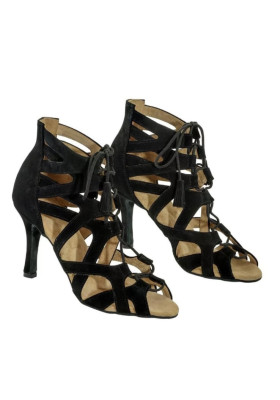
Galex - Bianka - Slim Heel
$235.00CAD
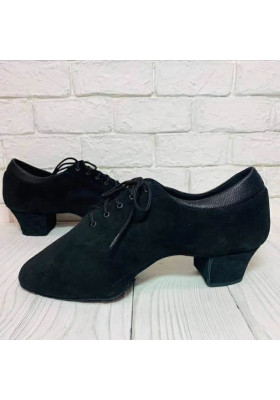
Galex - Black Nubuck - Heel 4cm
$225.00CAD
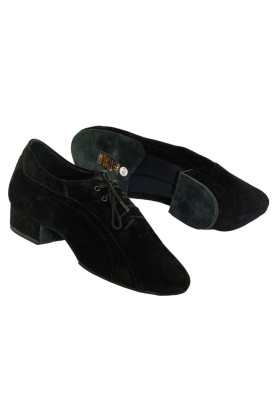
Galex - Black Nubuck - Heel 2cm
$225.00CAD
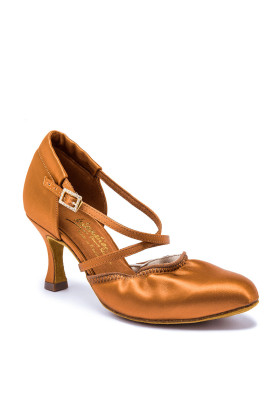
IDS - AMERICAN FLEX - TAN SATIN - 2" heel
$254.00CAD