

- 21 August, 2026
- 177
- 0
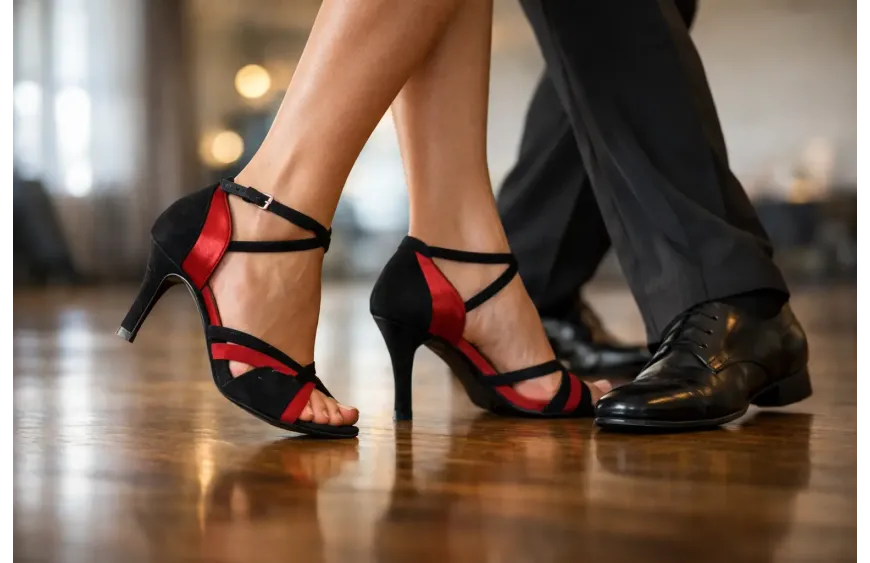
The wrong shoe makes itself known before the first ocho is finished. Your toes pinch, your heel shifts, or the floor suddenly feels impossible to read. If you have been searching for “Tango shoes, Comfortable Tango Dance Shoes, best Tango Dance Shoes, professional Tango Dance Shoes,” the answer is not simply the prettiest pair. It is the pair that supports your technique, suits the surface you dance on, and feels secure through every pivot, pause, and close embrace.
What Makes Tango Shoes Different?
Tango asks a great deal of your feet. Whether you dance Argentine tango socially, train for performances, or compete in ballroom tango, you need a shoe that allows controlled rotation without feeling unstable. The correct sole, heel placement, upper material, and fit can make a noticeable difference in comfort and confidence.
For Argentine tango, dancers often prefer flexible, close-fitting shoes with a suede sole. Suede offers the right amount of glide on a proper dance floor: enough to pivot smoothly, but not so much that you lose control. A shoe with a rigid rubber sole may grip too strongly, making turns harder on knees and ankles.
Ballroom tango has different technical demands. Dancers performing International Standard Tango may need shoes selected for ballroom hold, long traveling movements, and the particular heel requirements of their role. The important point is to buy for the tango you actually dance, rather than choosing a general-purpose dress shoe and hoping it will work.
Comfortable Tango Dance Shoes Start With Fit
A dance shoe should feel more fitted than an everyday shoe, but it should never feel painful. That distinction matters. Tango footwear is designed to become an extension of the foot, especially as dancers articulate through the ball of the foot and make precise weight changes.
Start with the toe box. Your toes should lie flat and aligned, without curling or pressing into the front of the shoe. In an open-toe ladies’ style, the toes should not slide over the sole edge. In a closed-toe shoe, there should be no hard pressure at the longest toe. A shoe that feels slightly snug in a soft leather upper may mold gently with wear. A shoe that causes sharp pain in the store is not a sensible break-in project.
Heel security is equally important. A back strap should hold the heel in place without digging into the Achilles area, while a closed-back shoe should not lift as you walk or dance. If the heel slips, you may start gripping with your toes to compensate. That can lead to fatigue and make your footwork less clean.
Width is often overlooked. Narrow dancers may need a more tapered fit so the foot does not move sideways during pivots. Dancers with a wider forefoot need enough room to spread and balance. Forcing a wide foot into a narrow shoe can numb the toes, while wearing a shoe that is too wide can make the foot slide forward.
Choosing the Right Heel for Tango
Heel height affects posture, balance, leg action, and comfort. It is not a measure of how serious a dancer is. The best height is the one you can use with control for the length of your class, practica, social dance, or event.
Many ladies begin with a lower or medium heel while developing balance and foot strength. A flared heel can provide a more stable base than a narrow heel, especially for newer dancers or for long practice sessions. As confidence grows, some dancers choose a higher, slimmer heel for the longer leg line and presentation it creates. That choice works best when the shoe has a secure fit and the dancer can place weight over the standing foot without wobbling.
For men and leaders, heel height is usually lower, but the shoe should still provide clear floor contact and a stable base. A proper men’s tango or ballroom shoe should feel secure through forward walks, checks, and changes of direction. It should not be so stiff that it limits foot articulation, or so soft that it lacks support.
A useful test is to rise gently onto the ball of one foot while wearing the shoes. If you immediately feel pitched forward, unstable, or unable to keep the ankle aligned, reconsider the heel height or shoe shape. A beautiful shoe that changes your balance point in an unhelpful way will distract from your dancing.
Sole Material Changes How You Move
For most indoor tango dancing, suede remains a popular choice because it is made for controlled movement on dance floors. It permits turns and pivots with less twisting through the knee than a high-grip street sole. It also gives dancers valuable feedback from the floor, helping with musical pauses, weight transfers, and subtle lead-and-follow communication.
Suede does require care. Over time, it can pick up dust and become too smooth or unevenly worn. Brushing the sole with a shoe brush helps restore texture and removes debris. Keep dance shoes for indoor use whenever possible. Walking outdoors in suede soles exposes them to moisture, dirt, and rough surfaces that shorten their usable life.
Some practice or social styles use alternative soles for particular surfaces and preferences. The trade-off is simple: more grip can feel secure at first, but too much grip can make turning difficult. If you are dancing on a floor with an unusually slick finish, speak with an experienced fitter before assuming you need a rubber sole. The shoe, floor, and your technique all work together.
Professional Tango Dance Shoes Are Built for Repetition
Professional Tango dance shoes do not have to be reserved for professional dancers. In this context, “professional” should mean purpose-built: reliable construction, dance-appropriate sole material, secure straps or lacing, and a fit that holds up through repeated use.
Look closely at how the upper supports the foot. Fine straps can look elegant, but they must be placed where they stabilize rather than cut across a sensitive part of the foot. Adjustable buckles are useful because feet can swell slightly during a long evening of dancing. A well-designed vamp, the section that covers the top of the foot, helps keep the foot from sliding forward in the shoe.
Materials matter as well. Leather often adapts to the foot and can be an excellent choice for frequent dancers, though it may need a brief adjustment period. Satin offers a polished presentation for showcases and formal events, but it may require more care. Fabric, mesh, and stretch panels can provide welcome flexibility for certain foot shapes, provided the shoe still holds the foot securely.
Durability also depends on using the shoe as intended. Rotating between a dedicated practice pair and a dressier pair for events can help preserve both. Let shoes air out after dancing, avoid leaving them in a damp dance bag, and check heel tips regularly. A worn heel tip can affect balance and damage floors.
How to Find the Best Tango Dance Shoes for Your Level
Beginners usually benefit from stability, a manageable heel, and an uncomplicated fit. This is not the time to choose a difficult heel height because it looks more advanced. You will learn more comfortably when you can focus on posture, connection, and timing instead of trying to rescue your balance.
Intermediate dancers may want a more responsive shoe with a closer fit and greater flexibility through the forefoot. By this stage, you may also know whether you prefer an open-toe or closed-toe style, a flared or slim heel, and a particular strap configuration. Your preferences are useful, but fit should still make the final decision.
Experienced dancers often own more than one pair because their needs vary. A comfortable, supportive shoe may be best for weekly classes and long milongas, while a more refined presentation shoe may suit a performance or competition. If you dance both Argentine tango and ballroom, do not assume one pair will serve both equally well.
Try Tango Shoes the Way You Will Dance in Them
When trying on shoes, do more than stand in front of a mirror. Walk forward and backward, transfer weight from foot to foot, take a small pivot, and test the shoe’s security. Notice whether your toes remain relaxed and whether the arch feels supported without being forced into an unnatural position.
Bring or wear the type of hosiery you normally dance in. A thin stocking, dance sock, or bare foot can change fit significantly. If you use orthotics or inserts, ask whether the shoe has enough depth and structure to accommodate them. Some highly flexible dance shoes are not designed to work well with an insert, so it is better to check before wearing them on the floor.
Personal fitting is especially valuable for first-time buyers, dancers between sizes, and anyone managing bunions, narrow heels, wide forefeet, or foot sensitivity. At Dancewear Champions in Thornhill, dancers can receive knowledgeable guidance while comparing styles and testing the fit in person. The goal is not to make every foot fit one shoe. It is to find a shoe that supports the way you dance.
A tango shoe should leave you thinking about your partner, the music, and the next phrase - not about your feet. Choose the pair that lets you move with control from the first tanda to the last.
Tags professional Tango dance shoes, comfortable Tango dance shoes, Tango dance shoes, Tango shoes
Related Products
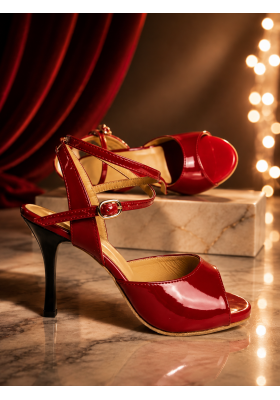
Galex - Tango Dance Shoes
$325.00CAD