


- 03 August, 2026
- 6
- 0
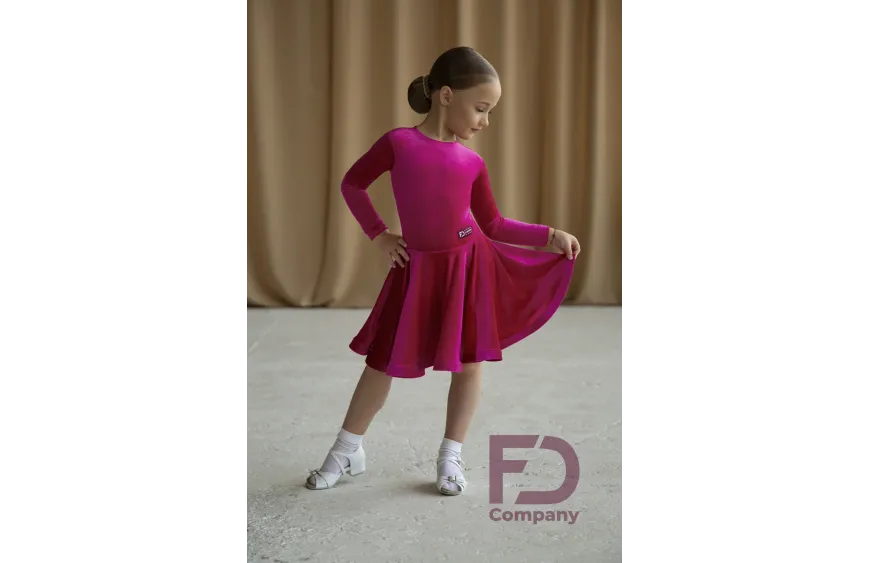
A children’s dance dress has a demanding job. It needs to look polished under stage lights, stay comfortable through rehearsals, and let a young dancer stretch, turn, and travel across the floor without tugging at a strap or worrying about a hem. The best choice is not always the dress with the most sparkle. It is the one that suits the dance style, the event, and the child wearing it.
For parents, the decision can feel surprisingly detailed. A dress that works beautifully for a ballet recital may not have the movement or shape needed for a Latin routine. A beginner attending weekly ballroom class usually needs something different from a youth dancer preparing for a competition. Starting with where, how often, and what the child will dance makes every later choice easier.
Choosing a Children’s Dance Dress for the Occasion
Before looking at colors, rhinestones, or skirt volume, identify the purpose of the dress. Practice, performance, social dance, showcases, and DanceSport competition each have different expectations.
For regular classes and practice, comfort and durability usually come first. A simple, well-fitted dress, skirt-and-top combination, or bodysuit with a dance skirt can give a young dancer a put-together look without feeling overly formal. These pieces should be easy to move in, easy to care for, and suitable for repeat wear. For children who attend several classes a week, having practical dancewear that can rotate through the laundry is often more useful than relying on one special outfit.
Recitals and showcases allow more personality. A fuller skirt may create a beautiful effect in turns, while brighter colors can help a child feel confident on stage. Still, a costume should not become a distraction. If a dancer is constantly adjusting a neckline, pulling down a skirt, or worrying about decorative pieces coming loose, the outfit is working against the performance.
Competition dresses are a separate category. For ballroom and Latin events, organizers may have age-specific regulations about silhouettes, fabric finishes, embellishment, and acceptable colors. Juvenile competition dresses should be selected with the current rules in mind, especially when events are sanctioned. Ask the coach or studio what is appropriate before choosing a highly embellished style. A dress that is stunning but not permitted is not a good investment.
Match the Dress to the Dance Style
Dance styles ask the body to move in different ways, and a children’s dress should support that movement rather than simply look the part.
Ballroom and standard dance
Ballroom and standard dances benefit from clean lines and skirts that move gracefully without getting underfoot. For younger dancers, a knee-length or slightly longer skirt can create a traditional ballroom look while remaining manageable. Sleeves, float details, and soft layers can be lovely, but they should not interfere with a partner connection or obscure the child’s arms and posture.
Fit around the shoulders and rib cage matters particularly in standard dancing. The dancer must be able to raise and maintain the arms comfortably in frame. Test this before removing tags: have the child lift both arms, take a dance hold position, turn, and bend gently. If the dress pinches or shifts dramatically, try another size or cut.
Latin, salsa, and rhythm dance
Latin styles often call for a more energetic silhouette. Skirts with movement, fringe, asymmetrical lines, or carefully placed ruffles can emphasize rhythm and leg action. However, children need secure coverage and dependable construction. A skirt should stay in place during spins, chassés, and fast directional changes.
For a young Latin dancer, the right amount of decoration depends on age, event rules, and confidence level. A simple dress in a vibrant color can be more effective than a heavily detailed garment. Movement, timing, and posture are what audiences notice first.
Ballet and other studio classes
For ballet, many studios require a particular color and style of leotard, sometimes with a matching skirt for certain levels. In that situation, follow the studio dress code closely. A ballet dress may be appropriate for a recital, but it is not always the right everyday choice if the teacher expects a leotard that makes alignment easy to see.
Gymnastics and acro also require their own specialized apparel. A flowing dance skirt can catch, shift, or limit safe movement during tumbling, so choose a fitted garment designed for that discipline instead.
Fit Comes Before Size on the Label
Children grow quickly, which makes it tempting to buy a larger dress “to grow into.” A little room can be sensible for a basic practice garment, but too much extra fabric can affect comfort, posture, and safety. Loose straps may slip during turns. A baggy bodice can twist around the torso. An overly long skirt can be stepped on.
Rather than relying on an everyday clothing size, use the garment’s dancewear size chart and take fresh measurements. The most useful measurements are typically chest, waist, hip, girth or torso length where requested, and overall height. Different brands can fit very differently, so a child who wears one size in a casual dress may need another size in a dance garment.
A properly fitted dress should sit smoothly across the torso without digging in. The child should be able to take a full breath, lift both arms, lunge, spin, and sit comfortably. Check the neckline from several angles, especially when the dancer bends forward. If the dress includes built-in briefs or a bodysuit base, make sure it does not pull at the shoulders or ride up during movement.
When a child is between sizes, the answer depends on the garment. Stretchy practice wear can sometimes accommodate a slightly larger size, while a structured competition dress often needs a closer fit to look tidy and stay secure. Personalized fit guidance can save time, particularly for parents buying their first ballroom or Latin outfit.
Fabric and Construction Make a Real Difference
The fabric affects how the dress feels, how it moves, and how much care it needs. Soft stretch fabrics are popular for classes because they give with the body and are generally easy to wear. Mesh can add elegant coverage at the sleeves or neckline, but it should be soft enough not to irritate sensitive skin. Layered chiffon and lightweight skirts create attractive motion, although they may need more careful handling than a simple stretch skirt.
Look closely at construction details. Seams should lie flat and feel smooth against the skin. Straps should be secure, especially if the child has narrow shoulders. Decorative stones, sequins, and appliqués should be firmly attached. Zippers, hooks, and closures should be easy for an adult to manage and comfortable when the dancer is in motion.
For a frequently worn class dress, washable fabrics and uncomplicated details are often the practical choice. For a special performance or competition dress, more delicate finishes may be worthwhile, provided the family is prepared to store and care for the garment carefully.
Let the Dancer Have a Say
Parents and coaches may focus on fit and requirements, but the child’s opinion matters, too. A young dancer who feels good in her dress is more likely to stand tall, participate fully, and enjoy the experience. Offer a choice between a few suitable options rather than an unlimited selection. That keeps the decision manageable while allowing the dancer to express her style.
Color can be a wonderful confidence builder. Some children love a classic black practice dress, while others light up in pink, royal blue, red, or a bold print. For group performances, the studio’s costume direction comes first. For individual events, choose a color that the dancer enjoys and that suits the event’s rules.
Be careful not to make “pretty” the only standard. The most successful children’s dancewear helps a dancer feel capable, not precious. If she can move freely, stay covered, and forget about her outfit once the music starts, the dress is doing exactly what it should.
Complete the Look Without Overcomplicating It
A dress is only one part of dance readiness. The correct dance shoes are just as important, and they should match the discipline rather than the dress alone. Ballroom or Latin shoes need a secure fit and appropriate sole for the floor. Ballet slippers should follow studio requirements. For younger children, reliable fastening and room for natural foot movement are more useful than adult-style fashion details.
Hair accessories, tights, warm-up layers, and a dance bag can help a child arrive prepared, but keep the routine simple. Pack a cover-up for travel to and from class or an event, and bring a small emergency kit with hair ties, safety pins, and any required accessories. For competition, a spare pair of tights can be a quiet lifesaver.
Families in the Toronto and GTA area who prefer to see fit and movement in person can benefit from trying dancewear with knowledgeable guidance. At Dancewear Champions, the goal is to help young dancers find apparel and footwear that suit their discipline, level, and comfort, whether they are attending a first class or stepping onto a competition floor.
The right dress should let a child focus on the count, the music, and the joy of getting the next step right. Choose for movement first, then enjoy the sparkle that makes the dancer smile.
Related Products
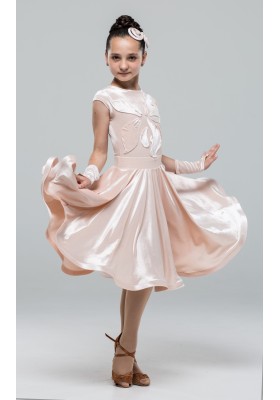
Girl's Competition Dress 71
$220.00CAD
Sale
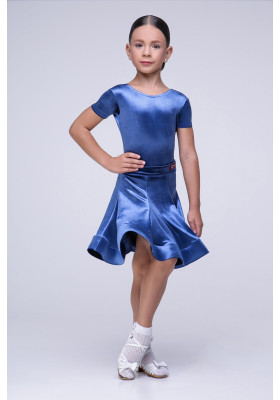
Girl's Competition Dress 11
$250.00CAD $170.00CAD
Sale
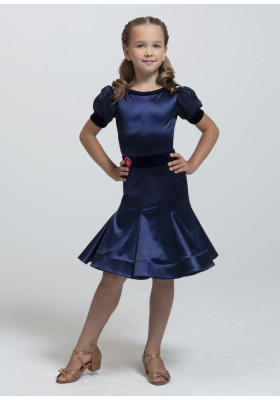
Girl's Competition Dress 34
$200.00CAD $150.00CAD
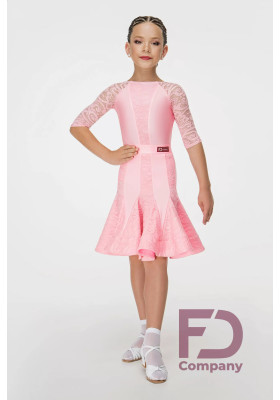
Girl's Competition Dress 40
$400.00CAD
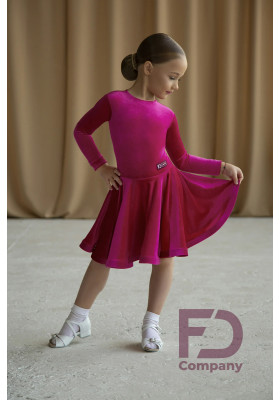
Girl's Competition Dress 14
$180.00CAD

Sale
Girl's Competition Dress 51 White
$450.00CAD $350.00CAD
-280x400.jpg "Girl's Competition Dress 62")
Girl's Competition Dress 62
$200.00CAD