


- 02 September, 2026
- 16
- 0
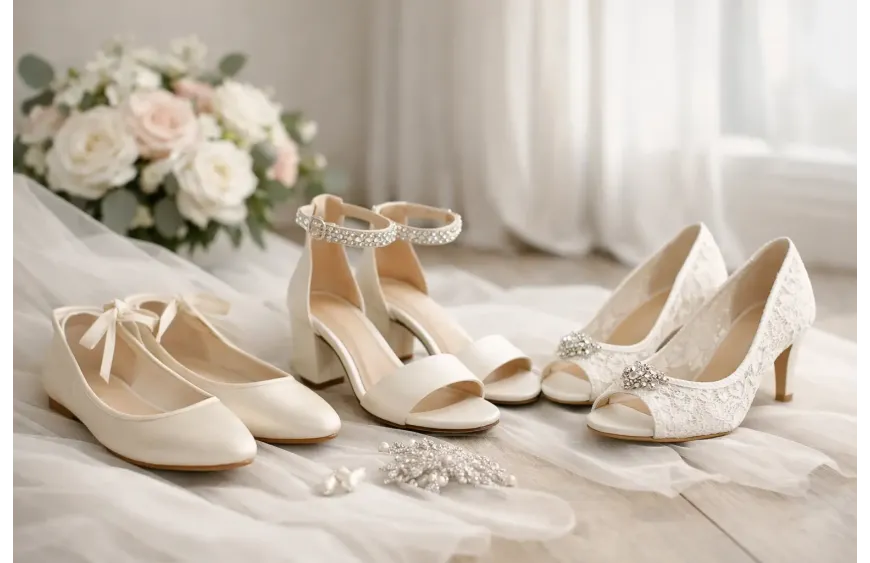
A beautiful shoe that leaves you limping before dinner is not doing its job. When shoppers search for “Bridal Shoes, Wedding Shoes, Comfortable Wedding Shoes, Comfortable Bridal Shoes,” they are usually looking for one thing: a pair that looks right in photos and still feels good when it is time to greet guests, walk down the aisle, and dance.
The best bridal shoe is not automatically the highest heel, the softest-looking satin, or the style that matches a dress most closely. It is the shoe that supports your foot, suits your venue, and lets you move naturally throughout a long day. For brides who love to dance, ballroom and social dance shoe features can offer especially useful comfort advantages.
What Makes Bridal Shoes Truly Comfortable?
Comfort starts with fit, but bridal shoes need more than a familiar size printed on the sole. Your feet can swell after hours of standing, warm weather, travel, or a busy morning of getting ready. A shoe that feels barely snug in a fitting may feel restrictive by the reception.
Look for a secure heel cup, a toe area that allows your toes to rest without compression, and straps or uppers that hold the foot in place. If your foot slides forward with every step, pressure builds under the ball of the foot. If your heel lifts, you may tense your toes to keep the shoe on, which can become tiring quickly.
Materials matter as well. Soft satin, leather, and flexible dance-shoe uppers can adapt more gently to the foot than rigid synthetic materials. That said, a very soft shoe still needs structure. The goal is a close, supported fit rather than a loose shoe that happens to feel cushioned when you first try it on.
Heel height is a personal decision
A lower heel is often more comfortable, but it is not the only answer. A stable 2.5-inch flare heel may feel easier for one bride than a low, narrow heel that does not match her balance or walking style. Heel placement, width, and shape all influence stability.
If you rarely wear heels, your wedding day is not the best time to test a dramatic new height. Choose a heel you can walk, turn, and stand in without concentrating on every step. For many brides, a low heel, block heel, Cuban heel, or dance-style flare heel offers an elegant profile with more dependable support.
Wedding Shoes for the Ceremony, Reception, and Dance Floor
One pair can work beautifully for the entire day, especially if your celebration includes a smooth indoor floor and you choose a stable, well-fitted style. However, the right shoe also depends on where and how you will use it.
For an outdoor ceremony on grass, gravel, or uneven stone, a narrow heel can sink or catch. A broader heel, platform-free low heel, or a separate ceremony shoe may be more practical. For a city venue with lots of stairs or walking between locations, prioritize grip and ankle security over a delicate sole.
The reception brings a different set of demands. You may be standing through speeches, moving between tables, and dancing for several hours. A shoe designed with flexible construction and a secure strap can make that transition much easier. Open-toe styles can feel airy, while closed-toe pumps may offer more coverage and a traditional finish. Neither is inherently more comfortable. The better choice is the one that fits the shape of your foot without rubbing.
For a first dance with turns, salsa, bachata, ballroom, or a lively social dance set, dance shoes deserve serious consideration. Their flexible soles are made to help the foot point and move, while suede soles can provide controlled glide on suitable indoor floors. That glide is useful for dancing, but it is not ideal for wet pavement, rough concrete, or outdoor surfaces. Keep the soles clean and reserve them for the venue floor when possible.
Why Dance-Inspired Comfortable Bridal Shoes Make Sense
Dance footwear is designed around movement. That does not mean every bride needs a competition-style shoe, but it does explain why certain details are valuable on a wedding day.
A proper dance shoe often has a flexible forefoot, an ankle strap or adjustable vamp, a balanced heel position, and an upper that follows the foot rather than fighting it. Those features help dancers transfer weight, take steps backward, and turn with more confidence. They can help a bride feel more secure during a first dance too.
There are trade-offs. Suede soles are excellent for indoor dance floors but require care and are not made for walking outside. Some dance styles also fit more closely than everyday shoes, which is intentional for control but makes professional fitting especially helpful. If you are between sizes or have a wider forefoot, do not assume you need to size up before trying a different width, toe shape, or style.
For brides planning a choreographed routine, practice in the actual heel height before the wedding. Even a simple slow dance feels different when your posture, balance, and dress length change. Wear your shoes during a few short practice sessions at home on a safe, clean surface. This helps you identify rubbing points early and makes the shoes feel familiar rather than new on the day.
How to Choose the Right Fit
Try bridal shoes later in the day, when your feet are closer to their fuller size. Bring the type of hosiery, no-show liner, or foot cushion you expect to wear. If you will be barefoot in the shoe, fit it that way. Small changes in thickness can affect how securely your foot sits.
When you stand, your toes should not press against the front. When you walk, your heel should remain contained. When you rise onto the ball of your foot, the shoe should bend with you rather than feel stiff across the instep. Spend several minutes walking, turning, and standing still. A quick mirror check is not enough.
Pay attention to the strap placement. An ankle strap can add confidence, but it should not dig in. A T-strap or crossed vamp can distribute support well for some foot shapes, while others prefer a simpler pump or peep-toe design. If you have a high instep, adjustable buckles or straps can make a major difference.
Do not count on severe pain disappearing after “breaking in” a shoe. Some materials will soften slightly, and a new sole may become more flexible after gentle wear. But pinching, numbness, sharp rubbing, or unstable balance usually signals a poor match in size or shape.
Details That Help You Last Longer
A few practical choices can protect your comfort without changing the look of your outfit. Consider a small amount of ball-of-foot cushioning if your shoe has room for it and does not make the fit too tight. Anti-friction products can help in common rubbing areas, but they cannot correct a shoe that is too small.
Bring a backup option to the reception. It may be a second pair of lower heels, comfortable dance shoes, or clean flats that work with your hemline. A backup is not a sign that you chose poorly. It gives you freedom to enjoy the final hours of the celebration if your feet need a reset.
If you are shopping locally in the Toronto and GTA area, an in-person fitting is especially useful for bridal and dance-inspired footwear. A knowledgeable fitter can compare heel shapes, strap placements, and widths while checking how your foot moves inside the shoe. At Dancewear Champions, that kind of personal guidance can be particularly valuable for brides who want shoes that can handle both a polished entrance and a full dance floor.
Match the Shoe to Your Wedding Style, Not Just Your Dress
A satin heel in ivory remains a classic choice, but wedding shoes can be metallic, nude, embellished, or a subtle color that reflects your personality. The key is to keep function in the decision. If your gown is long, the shoe may only appear in movement and photos, so comfort should carry more weight than intricate details that no one will see.
If your shoes will be visible, choose a style that complements the formality of the dress and the movement of the day. A sleek closed-toe shoe can suit a formal ballroom setting. A strappy sandal can feel natural for a summer reception. A supportive dance-inspired heel can be the quiet hero for a bride who plans to spend the night dancing with family and friends.
The right pair should let you focus on the people, music, and moments in front of you, not the next chance to sit down.
Tags Bridal Shoes, Wedding Shoes, Comfortable Wedding Shoes, Comfortable Bridal Shoes
Related Products

Galex - Light Pink- Heel - Slim 4-9 cm
$235.00CAD
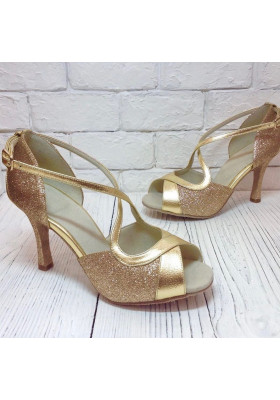
Galex - Gold - Heel - Slim 4-9 cm
$235.00CAD
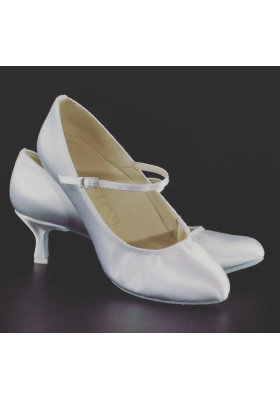
Galex - Wedding Dance White shoes
$350.00CAD
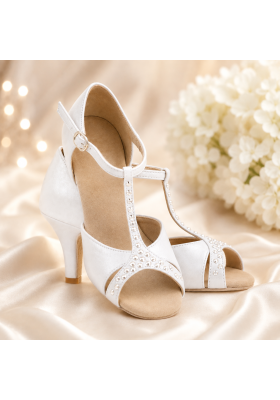
Galex - Wedding Dance White shoes 7cm Slim
$350.00CAD
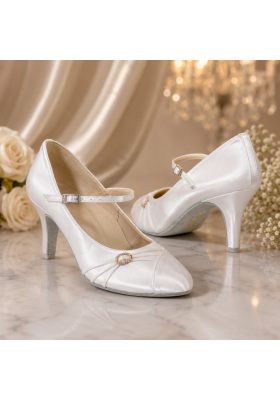
Galex - Wedding Dance White shoes 6cm Slim
$350.00CAD