


- 20 August, 2026
- 64
- 0
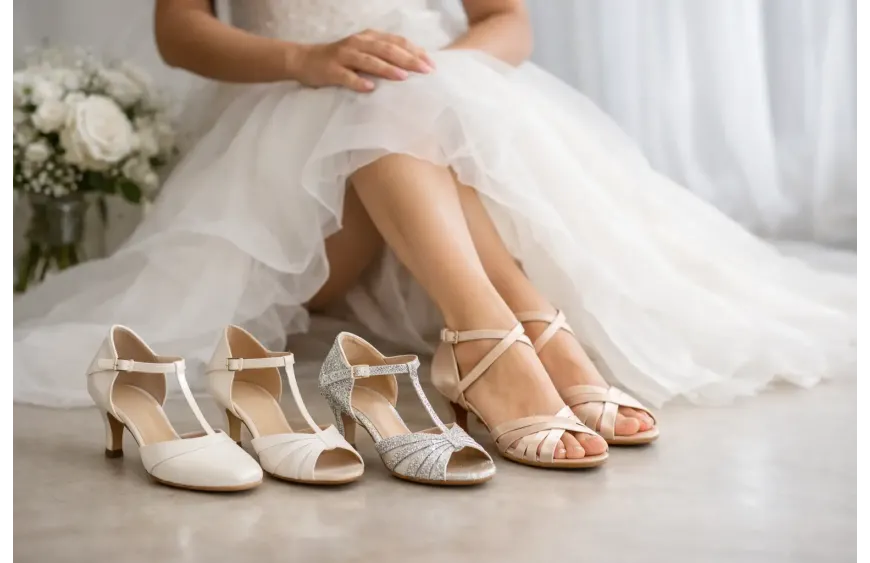
A beautiful wedding shoe is only a good choice if you can still enjoy the dance floor after the photos are done. Comfortable wedding dance shoes, white comfortable wedding dance shoes, and other bridal-friendly styles should do more than match a dress: they should support your feet through standing, walking, greeting guests, and dancing with confidence.
For a first dance, a choreographed number, or a full evening of social dancing, purpose-made dance shoes can make a noticeable difference. They are designed to move with the foot, turn with less resistance, and hold the heel more securely than many fashion shoes. The right pair lets you focus on your partner, your music, and the moment rather than counting the minutes until you can sit down.
What Makes a Wedding Shoe Dance-Ready?
Wedding footwear has a demanding job. You may be on your feet for many hours before the first song begins, then move from a ceremony space to photographs, dinner, and a crowded dance floor. A shoe that feels acceptable during a short fitting can become painful quickly if its toe box pinches, its heel shifts, or its sole catches on the floor.
A dance-ready shoe usually has a flexible construction through the forefoot, allowing the foot to point, roll, and articulate naturally. It also has a secure fit at the heel and across the instep. That security matters when you turn, step backward, or change direction quickly. A loose slingback may look delicate, but it can force your toes to grip the shoe all night.
The sole deserves equal attention. Ballroom and Latin shoes commonly use suede soles because they offer controlled glide on a suitable indoor dance floor. This helps dancers pivot rather than twisting against the floor, which can be hard on knees and ankles. Suede is not the best choice for pavement, grass, wet surfaces, or rough outdoor areas. If your wedding includes outdoor walking or an outdoor ceremony, plan a separate pair for arrival and photos, then change into dance shoes indoors.
Choosing White Comfortable Wedding Dance Shoes by Dance Style
The best bridal shoe depends partly on how you plan to dance. A simple first dance with a few turns calls for different features than a rehearsed salsa, bachata, ballroom, or Latin routine.
For ballroom, waltz, foxtrot, or American smooth-inspired movement, a closed-toe ballroom shoe can offer a polished look and more coverage. It is especially practical if you prefer a classic white, ivory, or satin-like finish. A lower flare heel can provide stability while still giving the dress a lifted, elegant line. If your dance includes traveling across the floor, prioritize a heel that feels centered beneath you rather than pushed toward the back edge of the shoe.
For salsa, bachata, cha-cha, rumba, or a Latin-inspired routine, an open-toe Latin sandal gives greater freedom through the toes and ball of the foot. Straps should feel snug enough to keep the foot from sliding forward, but not so tight that they leave deep pressure marks. A well-placed ankle strap is helpful for brides who want security during spins or quicker weight changes.
If you are new to dancing, resist the idea that a higher heel automatically creates a better look. A moderate heel you can balance in will look more graceful than a higher heel that makes you cautious. The shoe should support your natural posture, not force you into a position your body is not used to holding.
White is not one single shade, either. Bright white, soft white, ivory, pearl, and cream can read very differently beside a dress. Bring a fabric swatch, a photo of your gown in natural light, or the actual dress when possible. A close match is lovely, but comfort, fit, and confidence should come first. Under a full-length gown, the exact shade is often less visible than the way you move in the shoe.
Start With the Floor and Your Wedding Schedule
Before selecting a sole or heel, consider where the dancing will happen. A hardwood or smooth indoor floor is usually the most suitable setting for a suede-soled dance shoe. Carpeted venues can make turns more difficult, while highly polished floors may feel faster than expected. If you have access to the space before the wedding, test your planned shoes on a similar surface.
Your schedule also changes what “comfortable” means. A bride wearing shoes only for a 15-minute first dance may choose a different heel than someone planning to dance through the last song. Think honestly about the entire day: ceremony standing, stairs, photographs, cocktail hour, dinner, and dancing all add up.
It can be practical to have more than one pair. Wear a ceremony or outdoor shoe where it makes sense, then change into your dance shoes before the reception. This is not a compromise in style. It protects a delicate dance sole and gives you the chance to choose footwear specifically for movement when movement matters most.
Fit Is the Feature That Creates Comfort
Padding can help, but it cannot correct a shoe that is the wrong shape or size. Dance shoes should generally feel secure from the first fitting, with no major rubbing points and no need to curl your toes to hold the shoe in place. They may feel more fitted than everyday footwear because a secure dance fit prevents sliding, but they should never feel painfully tight.
Pay close attention to the width across the ball of the foot. If the shoe compresses your toes, it may cause numbness or blisters after only a short time. If it is too wide, your foot can move inside the shoe and create friction. For open-toe styles, the toes should sit comfortably within the front straps, not push over the edge.
Heel fit matters just as much. Your heel should stay seated when you walk and when you rise onto the ball of the foot. A back strap that slips may become distracting during even a simple turn. For dancers with a narrow heel, an adjustable strap or a style with more structure can offer a more dependable feel.
At Dancewear Champions, personalized fitting can be particularly useful when you are deciding between heel heights, toe shapes, or ballroom and Latin constructions. A proper fitting is not about choosing the prettiest shoe on the shelf. It is about identifying the pair that suits your foot, your dance plan, and the reality of a long celebration.
Give Your Shoes a Realistic Trial Run
Do not save your first wear for the wedding day. Practice in your shoes at home on a clean, appropriate surface, especially if you have choreographed your first dance. Wear them for short sessions at first and notice where pressure builds. Try your actual dance steps, including turns, dips, backward walks, and any changes in tempo.
Avoid wearing suede-soled shoes outdoors to break them in. Rough surfaces can damage the sole and change the way it performs on the dance floor. If you need to walk outside while practicing, bring the shoes with you and change indoors.
A few small adjustments can prevent a larger problem later. Check that straps are correctly adjusted, make sure the buckle does not press into the ankle, and use a shoe brush to keep a suede sole responsive if it becomes smooth or compacted. If a shoe causes sharp pain during practice, do not assume the wedding-day excitement will make it disappear.
Do Not Forget Your Partner’s Footwear
A first dance feels better when both partners can move comfortably. The person leading needs a stable shoe that allows controlled turns, while the person following benefits from secure straps, balance, and predictable floor contact. If one partner wears a high-grip dress shoe and the other wears a suede-soled dance shoe, the floor may feel very different under each person.
For grooms, groomsmen, or partners wearing formal attire, a ballroom or social dance shoe can provide a clean dress-shoe appearance with more flexibility for dancing. The goal is not to make everyone wear identical footwear. It is to make sure both people can comfortably complete the dance they have practiced.
The right wedding dance shoe should disappear from your thoughts once the music starts. Choose a white style that complements your look, a heel you can genuinely use, and a fit that feels secure before the big day. Then your footwear becomes what it should be: quiet support for a celebration you will remember from the dance floor.
Tags Comfortable wedding dance shoes, white comfortable wedding dance shoes, wedding dance shoes, wedding shoes
Related Products
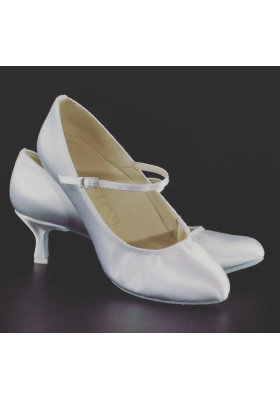
Galex - Wedding Dance White shoes
$350.00CAD
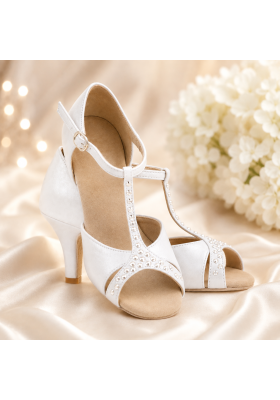
Galex - Wedding Dance White shoes 7cm Slim
$350.00CAD
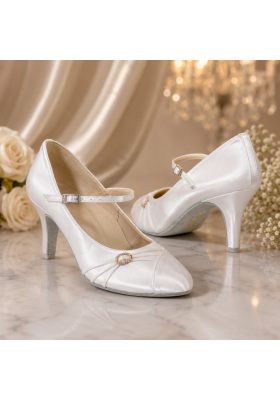
Galex - Wedding Dance White shoes 6cm Slim
$350.00CAD