


- 26 August, 2026
- 108
- 0
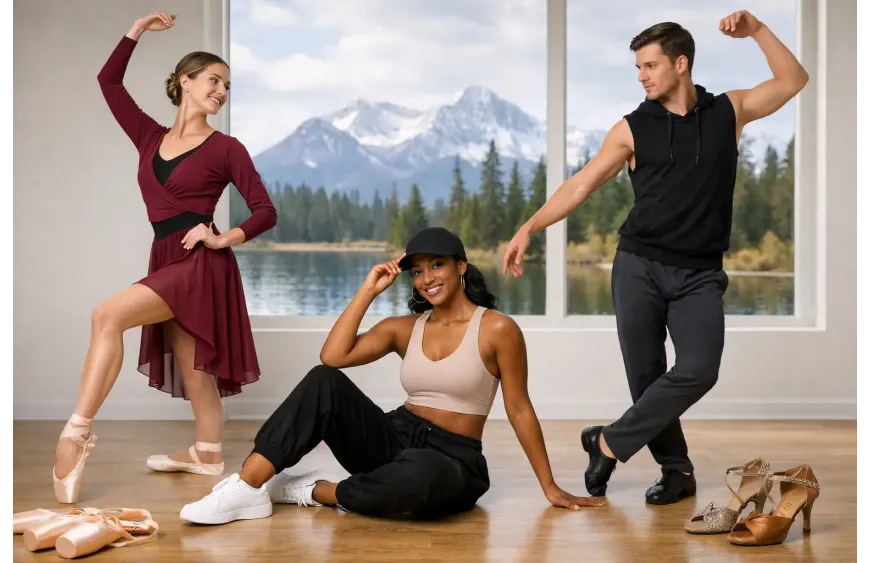
The wrong outfit can distract from every step. A skirt that catches during turns, a shirt that rides up in frame, or shoes without the right support can make practice feel harder than it needs to be. If you are searching for dance clothing, a dance leotard, Canadian dancewear, or dance clothing Canada options, start with one question: what does your dance style require your body to do?
A good dance outfit is not just about looking polished. It should support movement, suit the setting, and help you feel confident from warm-up through the final song. Ballroom, Latin, ballet, gymnastics, social dance, and competition each call for different materials, cuts, and footwear. Choosing by category first makes shopping much simpler.
Choose Dance Clothing for the Way You Dance
Dance clothes need to match the movement vocabulary of your class, practice, social event, or performance. A beginner attending a weekly social lesson does not need the same dancing dress as a competitor preparing for the floor. Likewise, an experienced Latin dancer may prioritize leg line and secure fit, while a Standard dancer needs fabric that moves beautifully through a promenade or pivot.
For everyday practice, look for breathable stretch fabrics that recover their shape after repeated wear. Fitted tops, bodysuits, dance shirts, leggings, practice skirts, and dance pants allow an instructor or partner to see posture, alignment, and body action. Clothing should feel close enough to the body that it does not interfere with connection, but never restrictive across the shoulders, ribs, hips, or knees.
For social dancing, comfort usually matters more than elaborate decoration. A simple dance skirt, flattering top, comfortable trousers, or a well-cut practice dress can take you from a beginner class to an evening dance event. The best choice is one that lets you move naturally for several hours, especially if you are still learning how your body responds to turns, footwork, and partnering.
Ballroom Dancewear and Latin Dance Dresses Are Not the Same
Ballroom dancewear is often grouped into one broad category, but Latin and ballroom outfits serve different visual and technical purposes. Understanding the distinction can save you from buying a beautiful garment that does not work for your style.
Latin dance dresses are designed to emphasize rhythm, hip action, and fast leg movement. They may feature fringe, mesh, rhinestones, asymmetrical hems, open backs, or close-fitting silhouettes. Movement and security are equally important. A Latin dress should stay in place through spins, sharp actions, and arm styling without requiring constant adjustment.
Ballroom dresses, particularly for Standard and American Smooth, are generally built for glide, shape, and presence. Full skirts, flowing panels, floats, and softer fabrics create visual movement as dancers travel around the floor. The garment needs enough room through the upper back and arms to maintain a strong frame, while the skirt should move freely without tangling underfoot.
There are exceptions. Some dancers prefer a streamlined ballroom dress for practice, while some Latin dancers choose simpler ballroom outfits for a showcase or social event. The key is to separate practice wear from performance wear. A practical black skirt and top may be exactly right for weekly lessons, even if it is not intended as a competition costume.
Start With Fit, Then Choose the Look
A striking design cannot compensate for poor fit. Proper dancer wear should allow a full range of motion without shifting, pinching, gaping, or becoming sheer when stretched. Check sizing charts carefully, but remember that sizing varies by brand, fabric, and garment construction.
When trying on a dance leotard, bodysuit, or fitted dress, raise both arms, rotate your shoulders, bend, take a few large steps, and mimic the turns or shaping used in your dance. A garment that feels fine while standing still can feel completely different in motion. For pants, test a lunge or squat to make sure the waistband stays comfortable and the fabric does not pull across the thighs.
For children and youth dancers, allow enough room for healthy movement and growth without choosing clothing so loose that it affects visibility of technique. Parents buying juvenile competition dresses should also consider event rules, age divisions, and the level of sparkle or embellishment allowed. A specialist dancewear center can help clarify what is appropriate before an important event.
Plus-size dancewear deserves the same attention to fit, movement, and style as every other category. Look for thoughtfully designed cuts, supportive stretch fabrics, and garments that make you feel secure rather than hidden. Dance is for every body, and clothing should make it easier to participate fully.
Do Not Treat Dance Shoes as an Afterthought
Many people searching for a dance store or dance apparel near me are focused on dresses, tops, or costumes. Yet shoes often have the biggest effect on comfort and confidence. Street shoes can grip too much, lack flexibility, or put pressure in the wrong places. Proper dance shoes are designed for controlled turning, pointing, weight transfer, and extended time on the floor.
Latin shoes typically offer a flexible sole and a design that supports foot articulation. Ballroom and Standard shoes often prioritize stability, smooth floor contact, and a secure fit for partnered movement. Social dance shoes can be a smart starting point for newer dancers who want versatility, while teaching and practice shoes are useful for instructors and dancers who spend many hours on their feet.
Fit is personal. Toe shape, arch height, width, heel preference, and how a shoe feels after an hour all matter. A shoe should feel secure without crushing the toes or causing numbness. Local fitting guidance is especially valuable for a first pair, a new heel height, or a dancer moving from social classes into more serious training.
Where Do Dancers Buy Their Clothes?
Dancers usually buy their clothes from specialist dancewear stores because general apparel retailers rarely sort garments by dance discipline, performance purpose, or technical fit. A dedicated dance store can bring together practice clothing, ballroom dance dresses, Latin dancewear, shoes, accessories, and care products in one place.
Online shopping is convenient when you know your size, need a specific category, or live outside a major city. Look for clear size information, detailed product descriptions, and options organized by discipline, such as Ladies Dancewear, men’s practicewear, youth dancewear, or Teaching / Practice. This makes it easier to compare what you need instead of browsing generic fashion categories.
In-person shopping is helpful when fit is uncertain or when the occasion matters. A dance store Toronto and GTA dancers can visit for personal guidance offers a practical advantage: you can see fabric movement, compare heel heights, and receive help selecting clothing that works for your goals. Dancewear Champions offers this type of personal shopping experience from its Thornhill location, alongside a Canadian online selection for dancers across the country.
Build a Useful Dancewear Wardrobe First
You do not need a closet full of costumes to be prepared. Start with a dependable foundation: supportive dance shoes, a few fitted tops or dance shirts, bottoms that allow movement, and a layer for warm-up. From there, add pieces that suit your dance direction, such as a Latin practice skirt, ballroom pants, a rehearsal dress, or a competition-ready garment.
A practical wardrobe may include these core pieces:
- A fitted top, bodysuit, or dance leotard that stays in place during movement
- Practice pants, leggings, or a skirt suited to your dance style
- Proper dance shoes for Latin, ballroom, social dancing, or practice
- A warm-up layer for arriving, cooling down, and waiting between rounds
- Hair accessories, dance bags, and shoe-care items that keep essentials organized
This approach reduces last-minute stress before a class, showcase, or competition. It also helps dancers invest first in the items that get the most use instead of choosing a special-occasion piece that stays in the closet.
Match Your Dance Outfit to the Occasion
Practice clothing should make technique visible and movement comfortable. Social dance clothing should balance comfort with personal style. Showcase and performance clothing should read clearly under lights and suit the music, choreography, and venue. Competition wear must meet the expectations of the dance category while allowing complete freedom of movement.
Men’s dance wears deserve the same category-specific thinking. A fitted dance shirt or smooth practice top can improve appearance and ease of movement, while ballroom trousers should provide clean lines without restricting stride. For boys and young men, comfort and correct proportions matter as much as a polished look.
Before buying a dancing dress or costume, ask whether it will be used for a single event or repeatedly. A highly decorated ballroom dress may be ideal for competition, while a versatile practice dress can serve lessons, coaching sessions, and social events. Neither is automatically better. The right choice depends on where you dance, how often you wear it, and how you want to feel when the music starts.
The best dance clothing lets you focus less on adjusting what you are wearing and more on timing, connection, musicality, and the enjoyment of moving well.
Tags dance clothing, dance leotard, canadian dancewear, dance clothing canada, dance wears, dancewear stores, dancewear center, dance shirts, wear dance, dance clothes, dancing dress, dance store, dance store toronto, ballroom dance dresses, ballroom dancewear, dance apparel near me, dance outfit, ballroom dresses, dancing clothes, dancer wear, ballroom outfits, ballroom dress, where do dancers buy their clothes, latin dance dresses, i love dance shop
Related Products
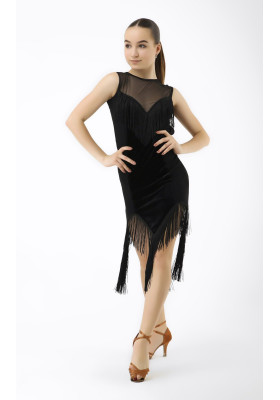
Sale
Latin Dress 33
$250.00CAD $149.00CAD
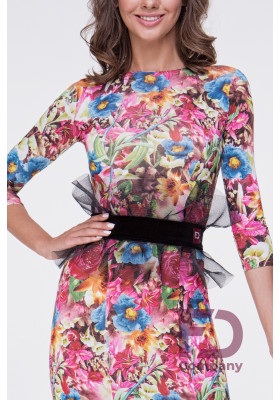
Belt
$75.00CAD

Ballroom Dress 02
$300.00CAD
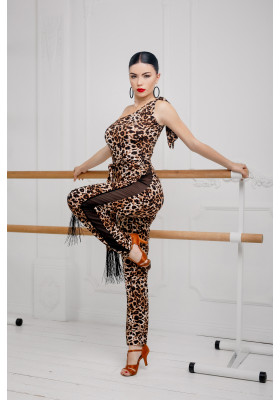
Sale
Latin Dress 37 Leo
$275.00CAD $139.00CAD
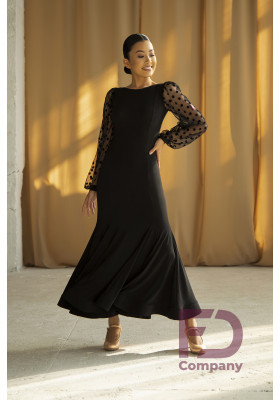
Ballroom Dress 01
$330.00CAD

Latin Dress 12
$180.00CAD
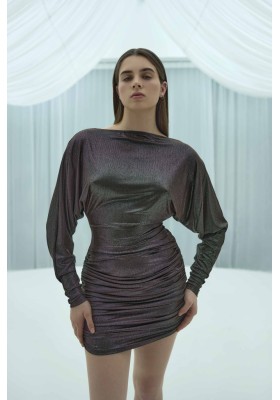
Latin Dress 60
$399.00CAD