


- 02 September, 2026
- 9
- 0
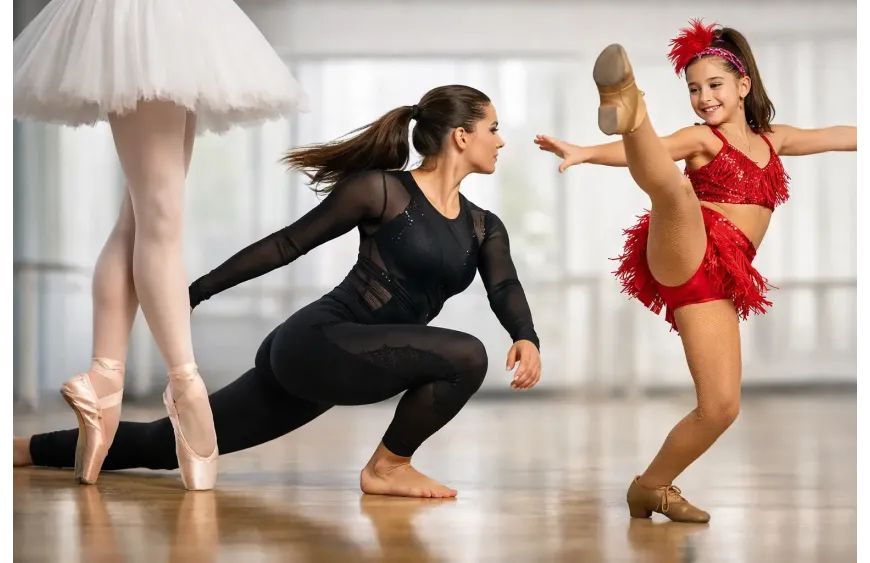
A costume can look perfect under studio lighting and still become a distraction the moment the music starts. A skirt that catches during a turn, a neckline that shifts in a lift, or sleeves that limit a frame can pull attention away from the dancing. The best dance costumes are designed to do both jobs at once: present the dancer clearly and support the movement that makes the performance memorable.
For a first showcase, a studio performance, or a serious DanceSport event, the right choice depends on the dance, the dancer’s role, and the level of formality. Start with how the garment needs to move, then choose the details that make it feel like your own.
Start With the Dance, Not the Decoration
Costume shopping often begins with color or sparkle. Those details matter, but the dance style should make the first decision. Ballroom, Latin, ballet, jazz, and youth performance wear ask different things of a garment.
A ballroom or standard costume is built around long lines, a defined frame, and movement that reads across a large floor. Ladies may prefer flowing skirts, layered chiffon, float sleeves, or gowns that create visible motion through waltz, foxtrot, tango, and quickstep. The fabric needs enough volume to travel beautifully without feeling heavy when the dancer turns. For men, formal shirts, trousers, vests, and tailcoats should maintain a clean silhouette while allowing a comfortable, lifted posture.
Latin dance costumes have a different job. They need to show rhythm, body action, and fast leg movement. Fringe, asymmetric hems, fitted bodysuits, open-back designs, and rhinestone detailing can all complement salsa, cha-cha, rumba, bachata, jive, and competitive Latin. A close fit is common, but close should never mean restrictive. Hip action, arm styling, and deep knee bends need room to happen naturally.
Ballet costumes call for secure construction and clean placement. A leotard, skirt, tutu, or character piece must stay aligned through extensions, jumps, and partnering. For a child’s recital, comfort and easy changes may matter more than elaborate embellishment. For a featured role, the costume should support the story from the audience’s perspective without overpowering the choreography.
Fit Is Part of Performance
A dance costume is not regular occasionwear in a brighter fabric. It is performance apparel, and fit affects confidence as much as appearance. Dancers should be able to raise their arms, take a full step, rotate their torso, bend their knees, and breathe deeply without repeatedly adjusting the garment.
The shoulder and upper-back area deserve particular attention. In ballroom, a tight back can interfere with frame and make it difficult to keep the elbows supported. In Latin, straps and arm openings need to remain secure through sharper styling and turns. For men’s dancewear, trousers should allow a long stride and flex through the hips without pulling at the waistband or bunching at the knee.
Length is equally important. A ballroom skirt that is too long can catch under a heel, while one that is too short may not produce the intended sweep. Latin skirts and dresses should move freely without exposing more than the dancer is comfortable with. A ballet skirt should sit securely at the waist and remain appropriate for the choreography.
Try the garment in dance position when possible, not only in front of a mirror. Walk, turn, lift your arms, and practice the movement that worries you most. If you are buying for a young dancer, leave sensible room for growth only when it does not compromise safety or line. Oversized costumes can slip, twist, and feel unsettling on stage.
Choose Fabrics for Motion and Light
Fabric changes how a costume feels and how it reads from a distance. Stretch fabrics such as lycra blends are useful where fitted shapes and unrestricted movement are priorities. Mesh can provide coverage while creating the look of an open back or neckline. Chiffon and lightweight georgette add flow to skirts, floats, and sleeves, particularly for ballroom styles.
Heavier fabrics may create a more formal look, but they can be warm and less forgiving during a long event. This matters in a crowded ballroom, under stage lights, or during multiple rounds of competition. If a dancer tends to overheat, prioritize breathable materials and a construction that does not trap heat around the torso.
Embellishment also has a practical side. Rhinestones, sequins, fringe, feathers, and appliqués can bring a costume to life under light, but they add weight and require care. Dense stoning may be appropriate for a competition gown or featured solo, while a social dance outfit or teaching look often benefits from simpler detailing. The goal is to enhance the movement, not give the dancer one more thing to manage.
Build Dance Costumes Around the Occasion
The same dancer may need several types of performance wear across a season. A costume for a studio showcase can be expressive and personal. A competition outfit may need to meet event rules for age division, style, coverage, or decoration. A social dance event calls for polish and comfort, but not necessarily a full competition look.
Before choosing, confirm the expectations with the studio, teacher, or event organizer. This is especially helpful for juvenile competition dresses and youth costumes, where regulations may be more specific. Ask whether a costume must follow a theme, whether certain colors or embellishments are discouraged, and whether quick changes are part of the program.
For group numbers, consistency usually matters more than every dancer wearing the exact same cut. A coordinated color palette, fabric family, or shared accessory can create a strong visual result while letting each dancer wear a shape that fits well. This is often a smarter approach for mixed body types and different comfort needs.
Do Not Treat Shoes and Undergarments as Afterthoughts
The costume is only one part of the final look. Dance shoes affect posture, line, safety, and whether the hem falls correctly. A ballroom gown should be checked with the shoes the dancer will actually wear. Latin heels, standard ballroom shoes, ballet slippers, and character shoes each change the stance and total height.
Proper undergarments are just as important. Depending on the design, a dancer may need a supportive bra solution, dance briefs, tights, or a bodysuit layer that stays invisible under movement. Test these pieces together before performance day. A beautiful open-back dress can lose its effect if the underlayers do not suit its construction.
Hair accessories, earrings, gloves, belts, and jewelry should have a purpose. They can frame the face, reinforce a theme, or add stage presence, but they should not snag fabric, catch in a partner’s hand, or become loose during a turn. For youth dancers, secure and lightweight is usually the best standard.
Plan for Changes, Care, and Repeat Wear
A costume that only works for one photograph is rarely a good purchase. Think about how it will travel, how it will be cleaned, and whether it can be used again for practice, a showcase, or another event. Keep delicate pieces in a garment bag, allow sweaty garments to air out before storing, and follow care labels closely. Stones and fringe are often best protected with gentle handling rather than frequent washing.
Quick changes deserve a rehearsal of their own. Closures should be manageable, backups such as clear straps or body tape should be tested beforehand, and each accessory should have a designated place. Parents of young performers can make backstage much easier by labeling shoes, costume bags, and cover-ups.
If you are unsure where to begin, personalized fit guidance can save time and prevent common mistakes, especially when pairing a gown with ballroom shoes or choosing a first Latin performance look. Local dancers in the Toronto and GTA area can also benefit from trying movement-focused options in person, where small fit adjustments become much easier to spot.
The right costume should let the audience see the dancer, not the compromises behind the outfit. Choose a piece that supports the choreography, feels secure from the first count to the last, and leaves room for the dancer’s own personality to come through.
Tags ballroom costumes, Latin costumes,
Related Products
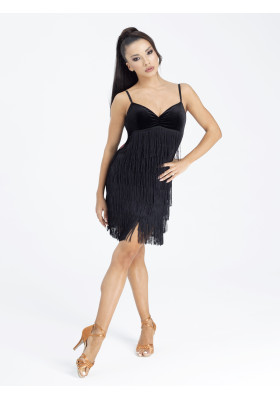
Latin Dress 14
$330.00CAD
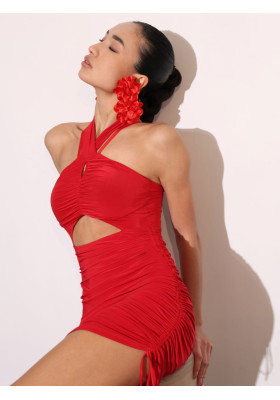
Latin Dress 03
$350.00CAD

Latin Dress 18 Blue
$350.00CAD

Performance Ballroom Dress 04
$1,800.00CAD

Sale
Performance Latin Dress 03
$2,000.00CAD $1,499.00CAD

Sale
Performance Latin Dress 16
$1,500.00CAD $800.00CAD