


- 02 September, 2026
- 13
- 0
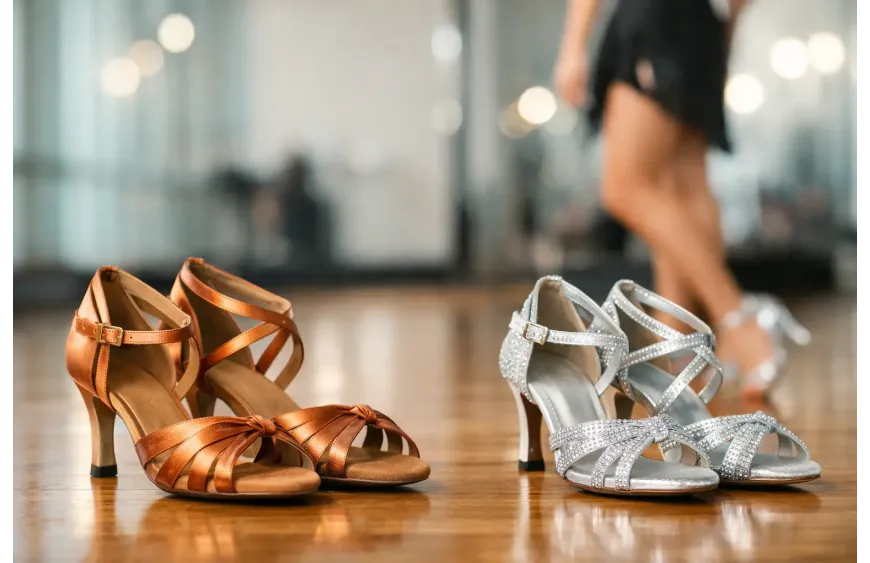
A beautiful pair of dance heels can change your posture, line, and confidence in a single class. The wrong pair can leave your toes numb before the second song. Whether you search for dance heels, heels dance shoes, silver dance heels, or dancing heels in Canada, the best choice is not simply the highest or sparkliest shoe. It is the shoe that matches your dance style, floor, experience, and foot shape.
For ballroom, Latin, salsa, bachata, and social dance](https://www.dancewearchampions.ca/dance-shoes/social-salsa-bachata), purpose-built shoes make a noticeable difference. They are designed to move with the foot, create controlled contact with the floor, and support the positions dancers use repeatedly. Street heels may look suitable, but their soles, balance point, and stiff construction are rarely made for turns, weight changes, or long nights of dancing.
What Makes Dance Heels Different From Regular Heels?
Dance heels are performance footwear, not just dress shoes with a heel. Most ballroom and Latin styles use a suede sole, which gives dancers the ability to pivot and glide while still maintaining traction. A rubber street sole can grip too aggressively on a studio floor, making turns harder on the knees and ankles. A slippery fashion sole, on the other hand, may offer too little control.
The upper also matters. Dance shoes are generally lighter and more flexible through the forefoot, allowing you to point, articulate the foot, and transfer weight cleanly. Many Latin and salsa styles use straps across the toes and instep to hold the foot in place during fast direction changes. Closed-toe ballroom shoes provide a smoother, more covered line for standard and American smooth dancing.
Heel placement is another major distinction. A proper dance heel is positioned to support balance during movement, not just standing. That does not mean every pair will feel identical. A flared heel, for example, provides a broader base and is often reassuring for newer dancers, while a slimmer heel can create a refined look for experienced dancers who are comfortable with a more precise balance point.
Choose Heel Height for Your Current Level
Higher is not automatically better. A heel height that feels unstable will affect your timing, posture, and willingness to use the floor. Dancers often progress more quickly when their footwear lets them focus on technique instead of trying not to wobble.
For a first pair of heels dance shoes, a lower or medium heel is usually a sensible place to start. It gives the foot an elegant position without asking the calf, ankle, and balance system to do too much at once. This can be especially helpful for adult beginners returning to dance after time away, as well as dancers taking several classes a week.
A medium heel is a versatile choice for Latin, salsa, bachata, social dance, and practice. It can provide a more lifted line while remaining manageable for classes and dance events. Higher heels are often selected by experienced Latin dancers, performers, and competitors who have developed the ankle strength and control to use them well.
Your preferred dance style changes the decision. A salsa dancer who spends hours social dancing may prioritize stability and comfort over extra height. A Latin competitor may choose a more specialized heel for a particular costume and performance setting. If you teach, a supportive practice or teaching shoe may be the better everyday option, even if you wear a higher heel for showcases.
Open Toe, Closed Toe, or Practice Style?
The shape of the shoe should reflect how you dance. Open-toe sandals are closely associated with Latin, rhythm, salsa, bachata, and other dances where foot articulation and a visible toe line are part of the look. They are available with varying strap patterns, from minimal styles that show more of the foot to more secure designs with multiple straps and a supportive ankle connection.
Closed-toe heels are traditional for ballroom standard and American smooth. They create a polished finish with gowns and skirts, protect the toes in a crowded partnership setting, and suit the character of dances such as waltz, foxtrot, tango, and quickstep. Some social dancers also prefer a closed toe simply because it feels more protected at busy events.
Practice shoes sit between performance sandals and everyday footwear. They may have a lower heel, a more secure upper, and a design intended for longer wear. They are useful for lessons, teaching, rehearsals, and dancers who need a dependable shoe before committing to a more specialized competition or showcase pair.
Silver Dance Heels: When They Are the Right Choice
Silver dance heels are popular because they are surprisingly versatile. A silver finish works beautifully with black, white, navy, jewel tones, metallic details, and many competition costumes. For a dancer building a first collection, silver can offer more outfit flexibility than a very specific color.
They are particularly effective for social events, showcases, weddings, and Latin or ballroom performances where you want the shoe to reflect light without competing with the costume. Under studio or ballroom lighting, silver adds polish while still reading as neutral from a distance.
There are trade-offs. Highly reflective finishes may show scuffs more readily than satin or matte materials, especially if you dance in close floorcraft situations. Silver also may not be the right choice when costume rules, a coordinated team look, or a particular gown call for a flesh-tone, black, or dyed satin shoe. The right color is the one that supports the overall presentation without distracting from your movement.
When comparing silver dance heels, look beyond the color. Check how the straps sit across your toes, whether the ankle strap adjusts securely, and whether the shoe holds your heel without pinching. A stunning shoe that lets your foot slide forward will not feel stunning after several dances.
How a Dance Heel Should Fit
Dance footwear should feel secure from the first fitting, but it should not feel painful. The goal is a close, supported fit with no excessive space around the heel or sides of the foot. Because dance shoe materials can soften with wear, choosing a pair that is already loose can lead to sliding later.
Your toes should be supported by the front straps or toe box rather than hanging over the edge. In an open-toe sandal, a small amount of toe visibility is normal, but the ball of the foot should still sit on the shoe's platform area. Your heel should stay seated as you walk, rise, and simulate a turn.
Pay attention to width as much as length. A dancer with a wider forefoot may need a different strap arrangement or shoe shape than someone with a narrow foot. If one foot is slightly larger, fit the larger foot first. Small adjustments to straps can help, but they cannot fully correct a shoe that is the wrong shape for your foot.
Try shoes at a time of day when your feet are not at their smallest, especially if you are shopping for long social dances or competition days. Wear them on a suitable dance surface when possible, testing a few weight changes and controlled turns. If you are local to the Toronto area, an in-person fitting at Dancewear Champions can be especially helpful when you are deciding between heel heights, widths, or styles.
Care That Helps Dance Heels Last
A quality pair of dance heels deserves routine care. Brush suede soles regularly to remove compacted dirt and restore their ability to grip and turn. Avoid wearing them outdoors, where concrete, moisture, and grit can quickly damage the sole. Carry them to the studio or event in a dance bag and change into them once you arrive.
Check buckles, hooks, and straps before a performance or dance night. If you use heel protectors, make sure they fit the heel shape correctly and are permitted on the floor where you are dancing. Let shoes air out after use rather than sealing them in a bag while damp.
The best dance heels should make you feel prepared to move, whether you are taking your first salsa class, practicing smooth routines, or stepping onto the competition floor in silver. Start with fit and function, then choose the height, style, and finish that help you dance with confidence.
Tags dance heels
Related Products
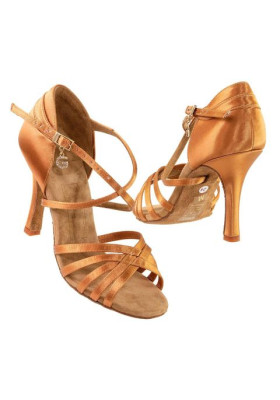
Galex - Emma - Tan-Satin - Heel - Slim 8cm
$225.00CAD
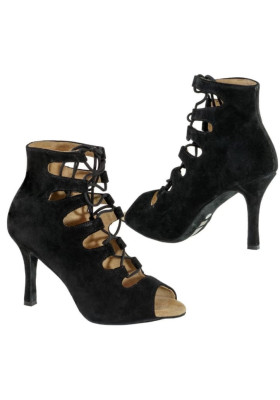
Galex - Kamilla - Slim Heel
$235.00CAD
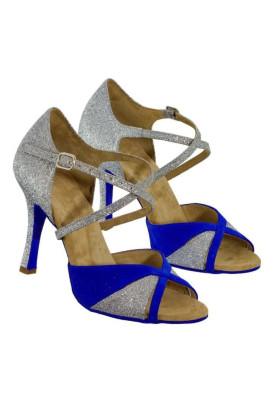
Galex - Emily - Heel - Slim 4-9 cm
$235.00CAD

Galex - Light Pink- Heel - Slim 4-9 cm
$235.00CAD
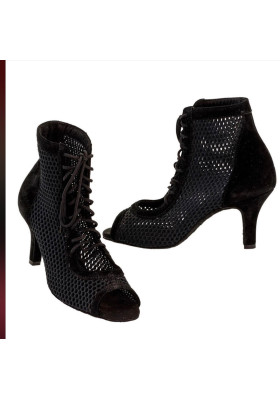
Galex - Black - Slim Heel
$235.00CAD

IDS - Flavia - Tan Shimmer - 2.5 Heel - Slim
$248.00CAD
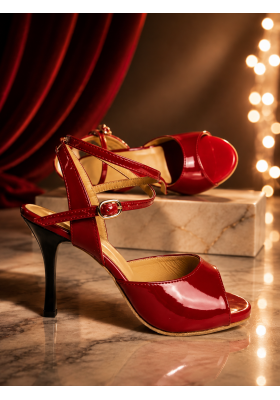
Galex - Tango Dance Shoes
$325.00CAD