

- 16 August, 2026
- 162
- 0
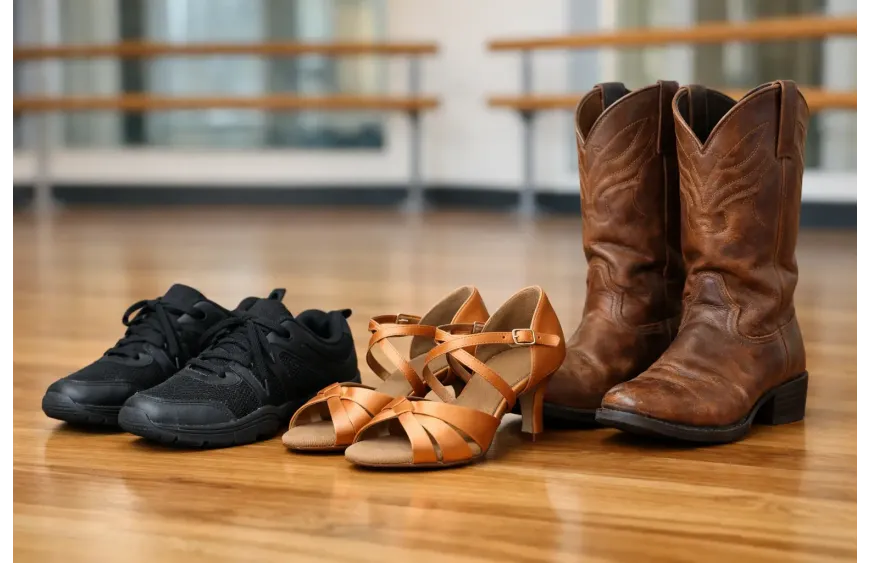
A shoe that feels fine while standing can become a problem halfway through a class. It may grip too hard on a turn, slip at the wrong moment, pinch across the toes, or leave your feet tired before the music ends. Whether you are comparing dance training shoes, dance practice shoes, line dance shoes, or dance stores, the right choice starts with how, where, and how often you dance.
For ballroom, Latin, social dance, and teaching, footwear is not simply a finishing touch. It affects balance, posture, foot articulation, turns, and confidence. The best pair is rarely the pair that looks most like a street shoe. It is the pair that supports your movement while allowing your feet to work naturally.
Why proper dance shoes change your practice
Dance shoes are built for controlled movement on dance floors. Most ballroom and Latin styles use suede soles, which provide a useful middle ground: enough glide for turns, with enough resistance to help you stay stable. Rubber athletic soles are often too sticky for pivots. That extra grip can place twisting force through the knees and ankles, particularly when you are learning spins, chassés, or traveling patterns.
A purpose-made shoe also tends to be lighter and more flexible than an everyday shoe. Your foot can point, roll through weight changes, and respond to the floor instead of fighting a thick or rigid sole. For dancers who attend classes weekly, practice regularly, teach, or prepare for showcases, this difference becomes very noticeable.
Proper footwear does not eliminate the need for technique. A suede sole will not correct an unstable frame or rushed turn. It does, however, give dancers a more appropriate foundation for learning those skills safely and comfortably.
Dance training shoes vs. dance practice shoes
The terms are sometimes used interchangeably, but they can describe slightly different needs. Both are made for repetition, comfort, and extended wear rather than a one-time performance look.
Dance training shoes for technique and regular classes
Dance training shoes are often a practical first purchase for new ballroom or Latin dancers. They are designed to support lessons, drills, and consistent practice. Many have a closed toe, a secure lace-up or strap closure, and a stable low to medium heel. This makes them a strong option for dancers who want one versatile shoe for group classes and social dancing.
For men, a lace-up ballroom practice shoe with a low heel is a common choice for standard, smooth, social dance, and beginner Latin work. For women, a closed-toe training shoe or a low-heeled sandal can provide security while you develop weight placement and balance. The right style depends on your instructor’s recommendations and the dances you are studying.
Dance practice shoes for long sessions
Dance practice shoes place even more emphasis on comfort during extended use. They may have softer uppers, added cushioning, split soles, low heels, or a sneaker-inspired profile with a dance-appropriate sole. They are especially useful for teachers, competitive dancers working through routines, and social dancers who spend several hours on the floor.
A practice shoe can be a smart second pair even if you already own competition shoes. Satin Latin sandals and high-heeled performance shoes create a polished line, but they are not always the most comfortable choice for every rehearsal. Saving delicate performance footwear for events can also help it last longer.
The trade-off is presentation. A low, cushioned practice shoe may not create the same leg line as a higher Latin heel or the formal appearance required for a competition. Choose it for training value, not as a substitute for every dance occasion.
Choosing line dance shoes for your floor and style
Line dance shoes need to handle repeated weight changes, shuffles, turns, and directional movement. The ideal sole depends heavily on the floor. On a smooth wood dance floor, a suede sole or a sole designed for dance movement can make turns easier. On rougher surfaces, outdoor patios, or floors with debris, suede can wear quickly and may not be the best option.
Many line dancers prefer a low heel for stability, while others enjoy the look and rhythm of a modest Cuban heel. A secure fit is particularly important. Your heel should not lift excessively when you walk, rock back, or shift weight. The toe box should also allow your toes to spread naturally without leaving so much room that the foot slides forward.
Boots can work beautifully for line dancing, but not every boot is equally dance-friendly. A heavy boot with a deep tread may catch during turns. If you prefer the boot look, consider its sole flexibility, weight, heel stability, and ability to pivot on the surfaces where you normally dance. A shoe that performs well in a studio may behave differently at a community hall or social venue.
Fit is the feature you notice most
Dance shoe sizing can differ from everyday footwear sizing, and it can vary by brand, style, material, and whether the shoe is made for women, men, or youth dancers. Do not select a size based on the number alone. Start with the brand’s size chart, then consider the shape of your foot and the fit intended for that specific shoe.
A dance shoe should usually feel more fitted than a casual sneaker. Excess space makes it harder to control the shoe during turns and can lead to rubbing. At the same time, your toes should not be painfully compressed, curled, or pushed against the front. A well-fitted shoe feels secure through the heel and midfoot, with enough room for natural toe movement.
Materials matter. Leather and some fabric uppers may soften with wear, while satin can behave differently and should not be chosen with the expectation of major stretching. If one foot is slightly larger, fit the larger foot. If you use orthotics or require extra width, look for styles with enough depth and structure rather than trying to force a narrow dance shoe to work.
When possible, personal fitting saves time and uncertainty. Local dancers in Toronto and the GTA can benefit from trying on multiple heel heights, widths, and silhouettes at Dancewear Champions' Thornhill shopping location. This is particularly helpful for a first pair, a youth dancer whose feet are changing, or anyone returning to dance after time away.
Match heel height and shoe style to your dance
Heel height changes how your weight is placed over the foot. For beginner dancers, a lower heel is often easier to manage while learning posture, balance, and partnership skills. A low heel is not less legitimate. It is often the most productive choice for regular classes and practice.
Latin shoes are typically more open and flexible, allowing the foot to point and articulate. They are suited to Latin, salsa, bachata, and rhythm-based dancing, although the best heel height depends on your experience. Ballroom standard and American smooth shoes are generally more structured. Ladies may prefer a closed-toe court shoe for standard or smooth, while men often choose a traditional lace-up style.
Social dancers have more freedom to prioritize comfort and versatility. A closed-toe practice shoe, a supportive low-heeled sandal, or a flexible dance sneaker may all be appropriate. If you dance several styles in one evening, select the shoe that best supports the most technical part of your usual program.
What to expect from good dance stores
Specialist dance stores do more than offer a range of colors and heel heights. They help you sort through questions that online photos cannot answer: Is the shoe right for a suede-floor studio or a community venue? Is the heel appropriate for your current skill level? Does the shoe run narrow? Will it work for standard, Latin, teaching, or line dance?
A complete dancewear retailer also makes it easier to coordinate the rest of your needs. Practice skirts, dance pants, bodysuits, warm-up layers, dance bags, shoe brushes, and performance apparel all serve different purposes. Buying from a dance-focused source means these categories are selected with movement, durability, and presentation in mind.
For parents, that guidance matters just as much. Youth dance shoes should fit securely without buying far too large for growth. A little growing room may be reasonable depending on the shoe and the child’s schedule, but a loose shoe can make basic technique harder to learn.
Care for the sole that helps you turn
Suede soles need occasional maintenance. A shoe brush lifts compacted fibers and restores the texture that helps the sole grip and glide properly. Brush the sole when it looks smooth, shiny, or dirty, and keep dance shoes separate from outdoor footwear whenever possible.
Avoid wearing suede-soled shoes outside. Moisture, grit, salt, and pavement can damage the sole quickly. Let shoes air out after class, especially if you dance frequently, and use a shoe bag to protect them in transit. For leather uppers, appropriate shoe-care products can help maintain appearance and flexibility.
The right shoe should make you think less about your feet once the music starts. Start with your dance style, floor, fit needs, and heel comfort, then choose a pair built for the work you plan to do on the dance floor.
Related Products
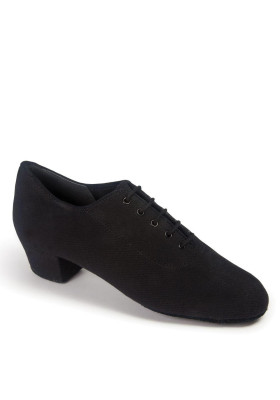
IDS - Heather Split - Black Lycra
$238.00CAD
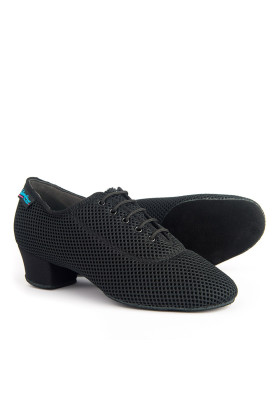
IDS - Heather - Air Mesh
$238.00CAD
Sale
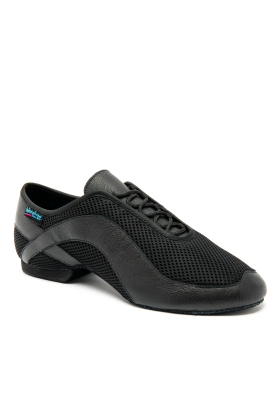
IDS - JAZZ - AIRMESH/BLACK
$198.00CAD $168.00CAD
Sale
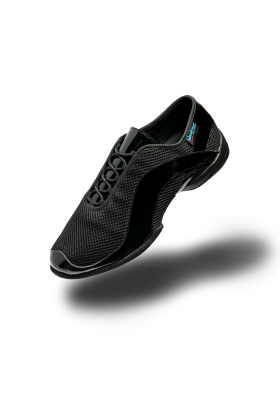
IDS - TEMPO - AIRMESH/BLACK PATENT
$229.00CAD $200.00CAD
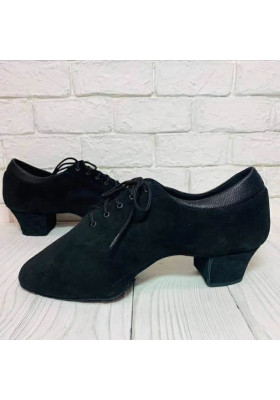
Galex - Black Nubuck - Heel 4cm
$250.00CAD
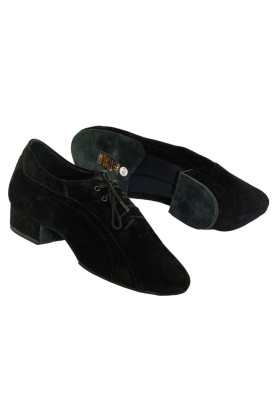
Galex - Black Nubuck - Heel 2cm
$250.00CAD

-280x400.webp "IDS - Heather-Split Black Silver Hologram - 1.5\" heel")
-280x400.webp "IDS - Heather Split-Sole - BluePinkPanther - 1.5\" heel")

Galex - Practica - Heel 2cm
$250.00CAD