


- 22 August, 2026
- 13
- 0
-870x563.webp "Why Men and Women Love Galex Dance Shoes Today")
A dance shoe can look beautiful on the shelf and still feel completely wrong after one song. A slipping heel, a pinched toe box, or a sole that will not turn easily can distract from timing, posture, and the simple enjoyment of moving with a partner. The phrase, “I love dance shoes, I love Galex dance shoes. Galex the best dance shoes for men and women,” speaks to what dancers want most: footwear that feels purposeful from the first basic step through a full evening of dancing.
Galex dance shoes are a strong choice for dancers who need a polished look without losing the practical qualities that make proper dance footwear different from ordinary shoes. The right pair supports controlled movement, clean pivots, balance, and comfort in the places that matter most. For beginners, that can make the first class feel less intimidating. For experienced social and competitive dancers, it can mean greater consistency through long practices, lessons, showcases, and events.
Why dancers love Galex dance shoes
Dance shoes are not simply dress shoes with a dance-inspired design. Their construction is intended for movement on an appropriate dance floor. A suede or dance sole helps the foot glide and pivot with more control than a rubber street sole, while the upper and fit are designed to keep the shoe connected to the foot during directional changes.
Galex styles give men and women options across ballroom, Latin, social dancing, teaching, and practice needs. That variety matters because a dancer who spends an evening dancing salsa or bachata may want something different from a dancer working on a smooth heel lead, a ballroom frame, or a competition routine. One shoe is not automatically right for every discipline.
For many dancers, the appeal is the balance between appearance and function. A ladies’ sandal may create an elegant leg line and allow clear foot articulation for Latin movement. A closed-toe ballroom shoe can provide a more traditional, secure profile for standard or smooth. Men often look for a stable lace-up or slip-on design that stays composed through turns, walks, and rises. In each case, the goal is not to make the shoe disappear completely. It is to make it feel like a helpful extension of the dancer’s technique.
Galex dance shoes for men and women start with the right style
Before choosing color or heel height, identify where and how the shoes will be used. This avoids a common mistake: selecting a striking style that is not suited to the dancer’s primary class, floor, or level of experience.
Latin and rhythm shoes
Latin shoes are built for action through the ball of the foot. Ladies often choose open-toe sandals with straps that hold the forefoot securely while allowing a pointed toe and strong foot line. Heel height is personal, but newer dancers generally benefit from a manageable height that allows them to maintain balance and proper weight placement.
Men’s Latin shoes commonly have a shaped heel and a flexible profile that suits Latin walks, Cuban motion, and sharper changes of direction. The fit should be close and supportive, especially at the heel. A shoe that slides even slightly can affect confidence when the choreography becomes faster.
Ballroom and American smooth shoes
Ballroom and smooth dancers often prefer closed-toe styles. For ladies, a closed-toe court shoe can offer a classic look and a secure feel for traveling dances. For men, a formal ballroom shoe supports the clean, grounded presentation expected in standard and smooth.
These styles are particularly useful when a dancer is learning to move backward, maintain body contact, or travel across the floor with a partner. The shoe should feel stable without being stiff. A very loose shoe can make the dancer grip with the toes, which creates tension that can travel into the ankles and legs.
Social, teaching, and practice shoes
Not every dancer needs a competition-specific shoe. Social dancers may prioritize all-evening comfort, while teachers and studio professionals often need footwear that performs well through many hours on the floor. Practice shoes can be an excellent option when support, flexibility, and a lower heel are more useful than a highly formal appearance.
This is where personal preference matters most. Some dancers want the feel of a traditional suede sole for every class. Others need a more supportive practice design because of long teaching days, recovery from foot fatigue, or a preference for a lower profile. The best dance shoe is the one that fits the dancer’s actual routine, not only the dance shoe they admire online.
Fit matters more than the number on the box
A proper dance shoe should usually fit more closely than a casual shoe, but it should never cause sharp pain, numbness, or cramping. Dance footwear may soften slightly with wear, especially leather or satin styles, so a shoe that begins too loose often becomes less stable over time.
Start by checking the heel. It should stay in place as you walk and rise onto the ball of the foot. Then assess the forefoot. Your toes need enough room to lie naturally, but the foot should not slide forward with every step. In ladies’ sandals, the straps should hold the foot without digging into it. In closed shoes, the upper should feel secure across the instep without pressure points.
Width is just as relevant as length. A dancer with a wider forefoot may need a different style than someone with a narrow heel, even when both wear the same street-shoe size. Foot shape varies, and sizing can vary by brand and style. That is why size charts are useful starting points rather than guarantees.
For Toronto and GTA dancers who can shop in person, a knowledgeable fitting appointment can save considerable trial and error. A few minutes spent checking length, width, heel security, and movement can prevent the disappointment of discovering a fit issue halfway through a class. Dancewear Champions can provide personal guidance in its Thornhill shopping location for dancers who value that extra confidence.
Choose heel height with honesty, not pressure
Heel height can change posture, foot placement, and how the leg appears in motion. It can also change how demanding a shoe feels. A higher heel may suit an experienced dancer who is comfortable balancing and transferring weight through the ball of the foot. It is not a requirement for looking polished.
Beginners often do better with a lower, stable heel while they develop alignment and confidence. Social dancers may also choose a moderate heel if they expect to dance for several hours. There is no prize for selecting the highest heel in the room if it shortens your stride, limits your movement, or makes you hesitant to turn.
Men should also consider heel profile rather than assuming every men’s dance shoe will feel the same. A Latin heel, ballroom heel, and practice shoe can each create a different sensation underfoot. The right choice depends on the dance style, the dancer’s experience, and the amount of time spent wearing the shoe.
Protect the sole and extend the life of your shoes
A dance sole is part of the shoe’s performance. Walking outdoors in suede-soled shoes can quickly damage the surface and introduce dirt or moisture that changes how the shoe moves on the floor. Carry dance shoes to the studio or venue, then change into them once inside.
Regular sole brushing helps restore the nap of a suede sole and maintain a predictable level of grip. Too much grip can make turns feel stuck; too little can make the floor feel slippery. Brushing removes compacted dirt so the sole can do its job. Allow shoes to air out after use, particularly after long classes or summer events, and avoid leaving them in a damp dance bag.
If you dance several times each week, rotating between two pairs can also be practical. One pair can dry and recover between sessions, while the other is ready for the next class. Competitive dancers may want a dedicated practice pair and a separate pair reserved for performances or competition days.
The best pair of Galex dance shoes is the one that matches your dance, fits your foot closely and comfortably, and gives you the confidence to move without second-guessing every step. Bring your usual dance socks or tights when trying shoes, think about the floors where you dance most often, and choose function first. When the fit is right, the style becomes even more enjoyable.
Tags I love dance shoes, I love Galex dance shoes, best dance shoes for men, best dance shoes for women
Related Products

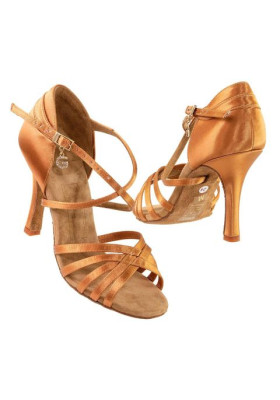
Galex - Emma - Tan-Satin - Heel - Slim 8cm
$225.00CAD
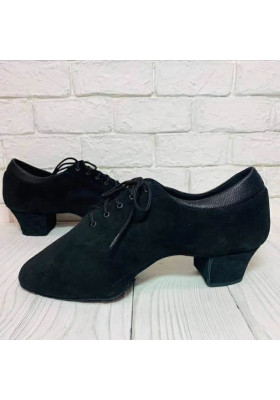
Galex - Black Nubuck - Heel 4cm
$225.00CAD
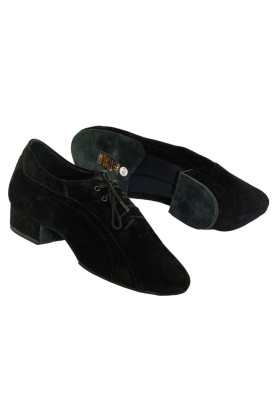
Galex - Black Nubuck - Heel 2cm
$225.00CAD
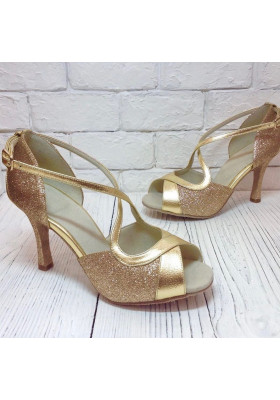
Galex - Gold - Heel - Slim 4-9 cm
$235.00CAD

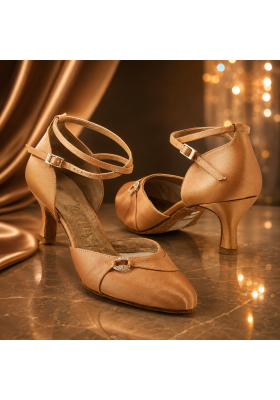
Galex - American Smooth
$225.00CAD
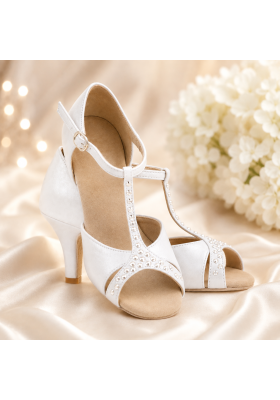
Galex - Wedding Dance White shoes 7cm Slim
$350.00CAD
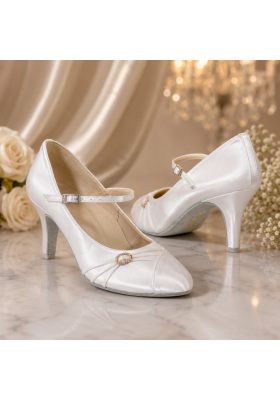
Galex - Wedding Dance White shoes 6cm Slim
$350.00CAD