


- 19 August, 2026
- 91
- 0
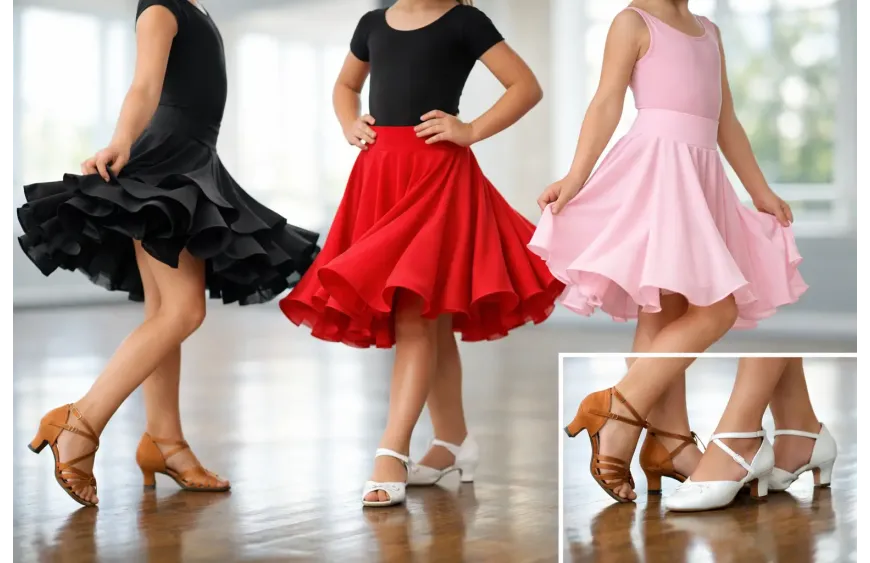
A skirt that looks lovely while standing still can become a distraction the moment a young dancer starts a chasse, spin, or promenade. The best girls ballroom dance skirts allow her to move freely, keep their shape through repeated practice, and give her the polished appearance that ballroom training encourages.
For parents, choosing a skirt often feels less straightforward than choosing a basic leotard. Ballroom covers different styles, studio expectations, and event rules. A Latin practice skirt may need movement and a close fit, while a skirt for Standard or American Smooth often benefits from a softer, more flowing line. The right choice depends on where she dances, what she is learning, and how she feels when she wears it.
What Makes a Ballroom Skirt Different?
A ballroom dance skirt is made for motion, posture, and presentation. Unlike an everyday skirt, it needs to stay secure through turns, traveling steps, and partnering practice without restricting the hips, catching at the knees, or riding up at the waistband.
For girls and youth dancers, comfort matters just as much as appearance. Children grow quickly, train at different levels of intensity, and may need one dependable piece for weekly lessons, practice parties, showcases, or early competitions. A well-chosen dance skirt helps a young dancer focus on timing, frame, and footwork instead of adjusting her clothing.
The design should also suit the dance category. Ballroom and Standard dances generally create long, continuous movement across the floor. Latin and rhythm dances are more grounded, sharp, and expressive. While many practice skirts can cross between categories, the silhouette should support the type of movement being taught.
Choosing Girls Ballroom Dance Skirts by Dance Style
Standard and American Smooth
For waltz, foxtrot, tango, Viennese waltz, and American Smooth, look for skirts with controlled flow. A fuller A-line shape, a circular cut, or lightweight layered fabric can create attractive movement without becoming overwhelming for a smaller dancer.
Length is especially important here. A skirt that falls around the knee or just below it often gives young dancers a classic ballroom line while allowing teachers and parents to see leg action and foot placement. A very long hem may look elegant, but it can be difficult for a beginner to manage and may be stepped on during turns or partnered work.
For regular class, a simple black skirt is practical, versatile, and easy to pair with a fitted top or bodysuit. For a showcase, a skirt with mesh panels, subtle sparkle, or a more dramatic hem can add visual interest while remaining age-appropriate.
Latin, Salsa, and Rhythm
Latin styles such as cha-cha, rumba, samba, jive, and salsa often call for a more fitted silhouette. A straight skirt with a modest slit, a wrap-style design, or a skirt with fringe or an asymmetric hem can highlight hip action and make movement easier to read.
That does not mean every young dancer needs fringe or a bold competition look. For class and practice, a fitted pull-on skirt with stretch is usually the most useful starting point. It lets the dancer move through bent-knee actions, side steps, and fast changes of direction without feeling bulky.
When a skirt includes ruffles, fringe, mesh, or decorative details, check that those elements stay flat and secure. Details should move with the dance, not tangle around the legs or pull at the fabric.
Fit Comes Before the Fashion Detail
The waistband is the first place to assess fit. It should sit securely at the natural waist or wherever the design is intended to rest, without pinching or rolling. Elastic waistbands are convenient for younger dancers and can offer a little flexibility as sizing changes, but they should still feel stable during turns and jumps.
A skirt that is too tight can limit stride length and make Latin actions feel uncomfortable. One that is too loose can shift around the body, particularly during spins. Encourage the dancer to try a few ballroom movements in the skirt: raise the arms, take large side steps, bend the knees, turn quickly, and walk forward and backward. If she needs to pull at the waistband after each movement, the fit is not right.
Fabric matters, too. Stretch knit fabrics are dependable for practice because they are comfortable, easy to care for, and less likely to wrinkle in a dance bag. Mesh creates lightness and visual movement, especially in layered or flared skirts. Velvet can look rich under stage lighting, though it may feel warmer during long classes. Fringe adds personality to Latin looks but requires extra care when washing and storing.
For growing dancers, resist the urge to buy dramatically oversized. A little room is useful, especially in a stretchy practice skirt, but extra length and a loose waist can create a safety issue. Follow the garment size chart and use waist and hip measurements rather than relying only on age.
Class, Showcase, or Competition?
One skirt does not always need to do every job. Separating practice wear from performance wear can make dressing easier and help special pieces stay in better condition.
For weekly lessons, prioritize washable fabric, a secure waistband, and a shape that allows a teacher to see alignment. A solid-color skirt paired with a dance top is often enough. It gives a young dancer a ballroom-ready look without making practice clothing feel precious.
For a showcase, the skirt can become part of the costume. Consider the music, the partner’s outfit, the studio’s direction, and the stage setting. Details that may be subtle in a studio can show up beautifully under lights, but a garment should still fit comfortably through the entire routine.
Youth competition has another layer: rules. Age divisions and organizers may have specific guidelines about costumes, embellishments, exposed areas, or accessories. Before purchasing a competition skirt, review the current event requirements and ask the instructor which category the dancer will enter. A beautiful garment is not the right garment if it does not meet the event standard.
The Details Parents Should Check Before Buying
A dance skirt often gets worn more than expected, so a quick inspection can prevent frustration later. Look closely at the construction rather than choosing by style alone.
- Check that the waistband lies flat and returns to shape after stretching.
- Look for smooth seams that will not rub during long classes or rehearsals.
- Make sure the hem clears the floor when the dancer is in her dance shoes.
- Test closures, snaps, and decorative elements for security before performance day.
If a skirt is meant to be worn over a bodysuit or dance briefs, have the dancer try the complete outfit together. A skirt can fit perfectly on its own yet feel different over another layer. This is also the best way to check whether colors, fabrics, and proportions work as one look.
Building a Versatile Youth Ballroom Wardrobe
For a dancer just starting ballroom, a small, flexible wardrobe is more useful than several highly specialized pieces. A fitted black dance top or bodysuit, one flowing skirt, one more fitted Latin-friendly skirt, comfortable dance tights or briefs when needed, and correctly fitted dance shoes can cover most class situations.
As her interests develop, wardrobe choices can become more specific. A dancer who loves Standard may want a skirt with greater sweep and movement. A young Latin dancer may prefer a design that stays closer to the body and responds to faster choreography. The goal is not to dress her like an adult competitor. It is to give her clothing that supports her training, confidence, and individual style.
Care also extends the life of a favorite skirt. Air it out after class, follow the garment care label, and keep fringe, mesh, and embellished pieces separate from shoes or rough accessories in the dance bag. If it is a performance skirt, store it flat or carefully hung so the hem and details retain their shape.
For families in the Toronto and GTA area, Dancewear Champions can offer personal guidance when a young dancer needs help comparing skirt lengths, finding the right size, or coordinating a complete ballroom practice outfit. A proper try-on is particularly valuable when the dancer is between sizes or preparing for her first event.
The best skirt is the one she can forget about once the music starts. When the waistband stays put, the hem moves cleanly, and the style feels right for her dance, she has more room to enjoy the floor and grow into every step.
Tags Girls Ballroom Dance Skirts, Ballroom Dance Skirts, Girls Dance Skirts, Dance Skirts
Related Products
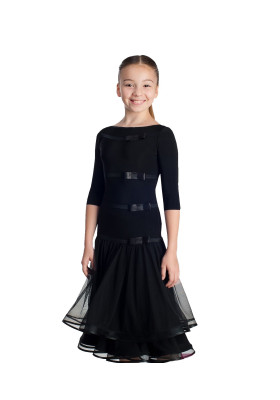
Sale
Ballroom Skirt 25
$200.00CAD $150.00CAD
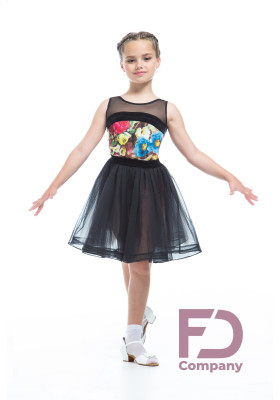
Sale
Ballroom Skirt 26
$200.00CAD $125.00CAD
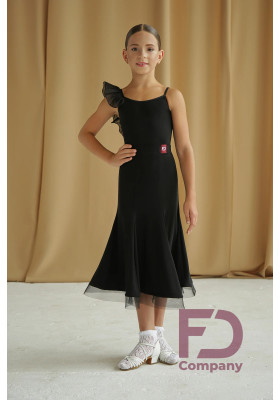
Ballroom Skirt 03 K Black
$180.00CAD
-280x400.webp "Ballroom Skirt 04")
Ballroom Skirt 04
$250.00CAD
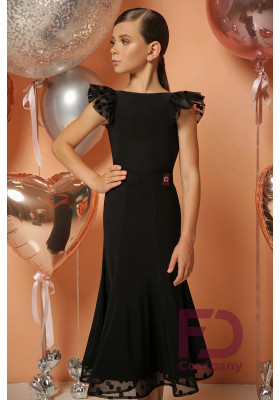
Ballroom Skirt 07 K
$170.00CAD
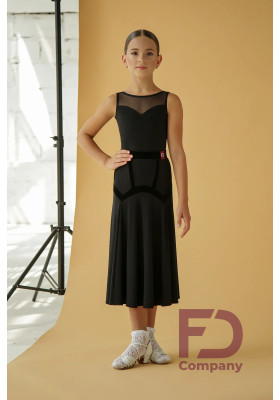
Ballroom Skirt 06 K
$155.00CAD