


- 04 August, 2026
- 257
- 0
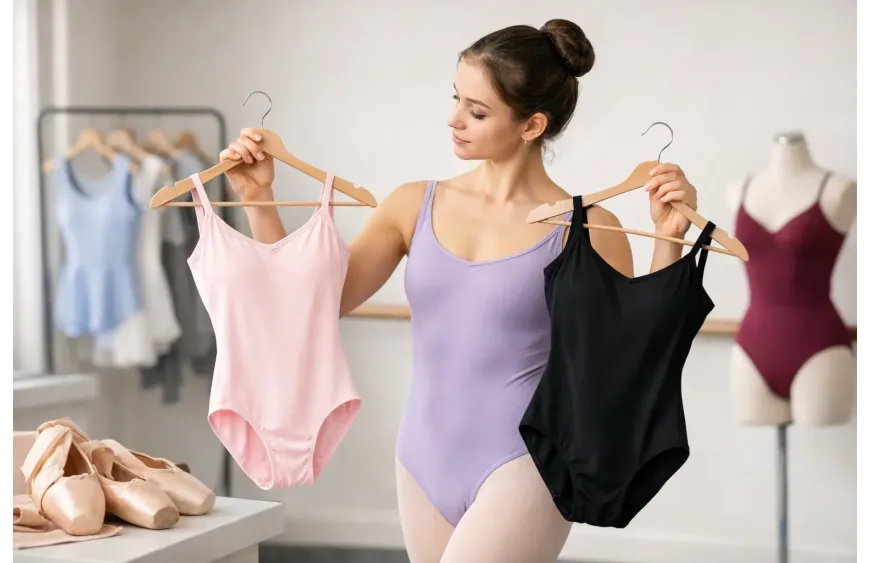
A ballet leotard may be the simplest item in a dancer’s wardrobe, but it has a demanding job. It needs to stay in place through pliés, port de bras, jumps, and floor work while allowing an instructor to see alignment clearly. For a young beginner, it can also make the first class feel official. For an experienced dancer, the right leotard is dependable practice wear that disappears once the music starts.
The best choice is not always the most decorated style or the softest fabric on the rack. Fit, dress-code requirements, activity level, and the dancer’s personal comfort all matter. A leotard that looks lovely but rides up at the hips or gaps at the chest will become a distraction quickly.
Start With the Ballet Leotard Fit
A properly fitted leotard should feel close to the body without pulling, pinching, or restricting a full range of motion. The torso is the most important measurement. A dancer can often size up or down in a T-shirt, but a one-piece garment has to accommodate the distance from shoulder to crotch as well as the bust, waist, and hips.
When trying one on, have the dancer raise both arms overhead, bend forward, squat into a deep plié, and stretch one leg behind them. The neckline should remain secure, the straps should stay on the shoulders, and the leg openings should not dig in. If the torso feels short, the dancer may notice pressure at the shoulders or pulling through the front. If it is too long, loose fabric can gather at the waist or back.
For children, avoid buying several sizes too large just to allow for growth. Extra fabric can prevent an instructor from seeing posture and can make a child feel less secure in class. A small amount of room is sensible, especially for a growing dancer, but the garment should fit well now. It is usually better to reassess sizing as the season changes than to begin with a leotard that does not stay put.
Adult dancers often need to balance torso length with bust support and preferred coverage. Some feel most comfortable in a higher neckline or a style with wider straps, while others prefer the open lines of a camisole back. Neither choice is universally better. The right option is the one that lets the dancer move confidently and meets the studio’s requirements.
Pay Attention to Leg Openings and Straps
High-cut leg lines can create a long, traditional ballet silhouette, but they are not every dancer’s preference. A moderate cut can offer more coverage for recreational class, teaching, or younger students. Look for smooth elastic that holds its shape without leaving deep marks after a short wear.
Straps deserve the same attention. Thin camisole straps create a clean line and suit many dancers, but wider straps may feel more supportive during longer classes. Adjustable straps can be useful when a dancer has a longer or shorter torso than standard sizing accommodates. If straps constantly slip, the issue may be the strap style, not simply the size.
Choose Fabric for Your Class Schedule
Most ballet leotards use a blend with stretch fibers, but fabric feel and performance vary. Cotton blends are soft, breathable, and familiar, which makes them a practical option for young students and lower-intensity classes. They can, however, hold moisture longer than technical fabrics and may lose their crisp shape sooner with frequent washing.
Microfiber and nylon-spandex blends tend to offer a smoother feel, stronger color retention, and faster drying. These are often a good choice for dancers who take multiple classes each week, attend rehearsals, or need practicewear that can handle regular use. Some dancers prefer matte finishes for a classic studio look, while others like a slight sheen for stage or showcase use.
The trade-off is personal. A technical fabric can be durable and supportive but may feel warmer to a dancer who runs hot. Cotton can feel especially comfortable at first but may not be the best match for an intensive weekly schedule. When possible, consider how often the leotard will be worn instead of choosing based on appearance alone.
Pick a Style That Matches the Studio Dress Code
Before selecting color, sleeve length, or back detail, check the studio’s dress code. Many ballet programs require a specific color by age group or level, especially for children’s classes, examinations, and performances. Some schools permit any solid-color leotard, while others specify details such as a pink camisole style, black skirted leotard, or a particular sleeve length.
A simple, solid-color style is often the most versatile first purchase. It works for technique class, can be layered under warm-up pieces, and pairs easily with tights, ballet skirts, and wrap sweaters. Once the required basics are covered, dancers may want to add styles with mesh panels, lace details, velvet accents, or open backs for variations in their practice wardrobe.
A skirted leotard can be appealing for young dancers and may be required in some introductory programs. It offers the convenience of a coordinated look, but it is less flexible than purchasing a separate ballet skirt. A separate pull-on or wrap skirt can be removed for classwork, changed for rehearsals, or paired with different leotards. For older dancers, a plain leotard plus a separate skirt is often the more adaptable combination.
Classwear and Performancewear Are Not Always the Same
A ballet leotard for weekly class should prioritize comfort, washability, and reliable fit. A performance costume may need to coordinate with a group, support embellishment, or create a specific stage effect. Treating them as separate needs can prevent a favorite everyday leotard from being overworked or damaged before an important event.
For recitals and showcases, ask early whether the studio supplies costumes or expects families to purchase a specified base garment. If a leotard is part of the costume, avoid alterations unless the instructor has approved them. Small changes to straps, leg lines, or color can make a group look inconsistent under stage lighting.
Build a Practical Ballet Class Outfit
The leotard is the foundation, but the rest of the outfit affects comfort too. Ballet tights should fit smoothly without sagging, and their color should follow studio guidelines. Pink tights remain common for traditional ballet classes, though some programs use other shades to suit their uniform policy and dancers’ preferences.
For cooler weather, dancers can add warm-up layers before and after class. Wrap sweaters, legwarmers, warm-up pants, and fitted jackets help keep muscles warm without replacing proper classwear. During barre and center work, instructors may ask dancers to remove bulky layers so they can see body placement.
Hair accessories also have a practical purpose. Long hair is typically secured in a bun or another neat style that keeps the neck and face visible. Keeping a small dance bag stocked with spare tights, hair ties, bobby pins, and a backup leotard can save a stressful morning when class is right after school or work.
Care That Helps Leotards Last
Dancewear is exposed to sweat, friction, and frequent washing, so simple care habits matter. Turn leotards inside out before washing, use cool water, and choose a gentle detergent. Avoid fabric softener when possible because it can affect stretch fibers and leave a coating that traps odor.
Air drying is usually the safer choice. High dryer heat can weaken elastic, fade color, and shorten the life of delicate mesh or lace. If a leotard has trim, embroidery, or specialty fabric, wash it separately or place it in a mesh laundry bag to reduce snagging.
It is also smart to rotate between two or three leotards for dancers attending class several times a week. Rotation gives each piece time to fully dry and reduces wear on the same seams and elastic. For families, labeling garments can be especially helpful when many dancers wear similar uniform colors.
When Personal Fit Guidance Helps
Sizing charts are a useful starting point, but they cannot always account for individual proportions. Dancers with a long torso, fuller bust, broad shoulders, or sensitivity around the leg line may benefit from trying more than one cut. That is also true for parents purchasing a first ballet outfit who are unsure whether a child needs a fitted style, a skirted option, or a larger youth size.
At Dancewear Champions, dancers and families in the Toronto area can get personal help selecting apparel that suits their class needs, age group, and comfort preferences. A well-chosen leotard should support the work happening in the studio, not become the thing a dancer thinks about between combinations.
Choose the style that meets the dress code, moves with the dancer, and feels good from the first plié to the final reverence. That confidence is always worth bringing to class.
Related Products
Ballet Girls Costume Dress 14
$100.00CAD
Ballet Girls Leotard 07
$30.00CAD
Ballet Girls Leotard Dress 06
$20.00CAD
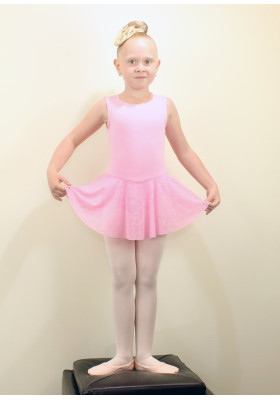
Ballet Girls Leotard Dress 10
$45.00CAD
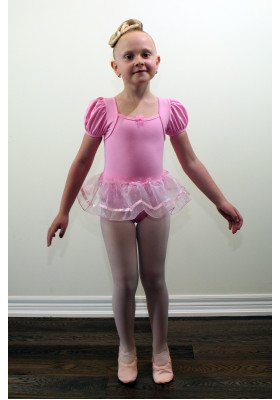
Ballet Girls Leotard Dress 12
$35.00CAD
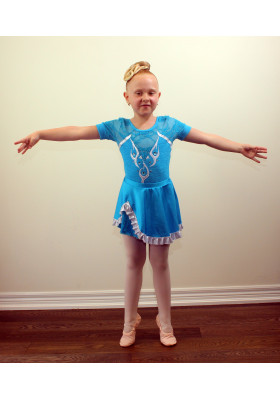

Sale
Boys Leotard 02
$60.00CAD $35.00CAD
Sale
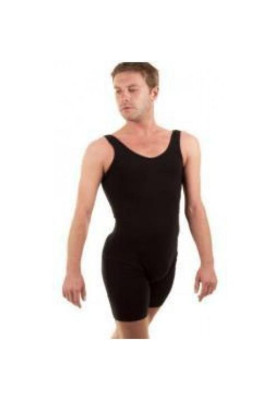
Boys Unitard 03
$60.00CAD $35.00CAD