

- 05 August, 2026
- 305
- 0
-870x563.webp "How to Choose a Gymnastics Leotard That Fits")
A gymnastics leotard has a demanding job. It needs to stay in place through cartwheels, back handsprings, bridges, jumps, and long stretches of conditioning, while still helping the gymnast feel comfortable and ready to perform. A beautiful print or sparkle detail can make a young athlete excited for class, but fit and function should always come first.
For parents buying a first leotard and gymnasts building a reliable practice wardrobe, the best choice is rarely just the one that looks best on the hanger. The right garment moves with the body, offers appropriate coverage, and holds up to frequent washing. Here is what to look for before choosing one for recreational gymnastics, a training program, or competition.
Start With Fit, Not the Size on the Tag
Leotard sizing can vary between brands, so a familiar clothing size is only a starting point. Gymnastics garments are designed for a close, secure fit, which means they should feel more fitted than a casual T-shirt or pair of leggings. Checking the brand's size chart and taking a few quick measurements will give a much better result than guessing.
The most useful measurements are usually the chest, waist, hips, and torso length. Torso length matters especially in gymnastics because it affects whether the leotard stays comfortably positioned through overhead movement. A gymnast with a longer torso may need a different size than expected based on age or everyday clothing alone.
A well-fitting leotard should lie smoothly against the body without pulling hard across the shoulders, cutting into the leg openings, or creating excess fabric through the waist and back. Ask the gymnast to reach both arms overhead, bend forward, squat, and move through a bridge if appropriate. The leotard should remain in place without needing constant adjustment.
Sizing up is not always the answer when a garment feels tight. A larger size can become loose at the chest, shoulders, or leg openings, which may distract the gymnast during training. If the fit is close but uncomfortable in one area, compare styles and fabrics before simply moving up a size.
Signs the Fit Needs Another Look
A leotard is likely too small if it rides up sharply, leaves deep marks after a short wear, strains across the shoulders, or feels restrictive during a stretch. It may be too large if the neckline gaps, straps slip, the seat shifts during movement, or the gymnast needs to pull it back into place repeatedly.
For growing children, it is reasonable to plan ahead, but avoid buying so much extra room that the leotard cannot perform properly now. A practical training leotard should support the gymnast through regular classes, not sit unworn in a drawer while waiting for a growth spurt.
Choosing a Gymnastics Leotard by Use
Not every gymnastics leotard is intended for the same setting. A recreational gymnast may prioritize comfort, fun colors, and easy-care fabric, while a competitive athlete may need a design that follows gym or event requirements. Thinking about where and how often it will be worn helps narrow the choices quickly.
For weekly recreational classes, simple sleeveless or short-sleeve leotards are often an excellent choice. They allow full shoulder mobility, are easy to layer under warm-up wear, and make it easy for coaches to see body lines and alignment. Gymnasts who train multiple days a week benefit from having several practice options rather than relying on a single favorite.
For more intensive training, look for secure necklines, comfortable leg lines, and durable stretch fabric. High-neck styles can provide additional coverage and a polished look, while tank styles can feel cooler and less restrictive for some athletes. Long-sleeve leotards may be useful for particular routines, colder training spaces, or events, but they can feel warmer during high-energy practice.
Competition leotards are a separate category. These may include rhinestones, mesh, metallic fabrics, detailed appliqués, or team-specific designs. They are made for presentation as well as movement, so care instructions and event rules deserve extra attention. If a coach or gym provides requirements, follow those first, including sleeve length, color, logo placement, and approved accessories.
Fabric, Coverage, and Comfort Matter
Most gymnastics leotards use a blend of performance stretch fibers that recover well after movement. The fabric should feel smooth, flexible, and substantial enough to provide coverage when the gymnast bends or stretches. A lightweight fabric can feel comfortable, but it should not become overly sheer under bright gym lighting or after repeated washing.
Moisture management can also make a difference during long practices. Breathable performance fabric helps a gymnast feel less sticky and distracted when training becomes intense. That said, the softest fabric is not automatically the most durable. A balance of softness, stretch recovery, and construction quality is usually the better choice for a frequently worn practice piece.
Coverage is personal, and it can vary by age, body type, gym policy, and confidence level. Some gymnasts prefer a higher neckline or a more covered back. Others feel most comfortable in a classic tank cut that allows the shoulders to move freely. The best option is one that meets program expectations while allowing the gymnast to focus on skills rather than clothing.
Parents may also want to consider whether an undergarment is needed. Many gymnastics leotards are designed to be worn on their own, but needs vary. If extra coverage is preferred, choose options designed to stay discreet and secure during movement. Visible straps, bulky seams, and loose layers can become uncomfortable quickly.
Build a Practical Rotation for Training
One leotard is rarely enough for a gymnast who attends class regularly. Sweat, chalk, and frequent laundering all affect performance apparel, and having a small rotation makes it easier to arrive at practice in fresh, comfortable gear. For a once-a-week class, two or three leotards are often practical. Gymnasts training several times a week may need more, depending on laundry routines and program demands.
It helps to include a mix of dependable basics and a few expressive styles. A solid-color leotard can be useful when the gym requests a simpler look, while prints and bright colors add personality to everyday training. Keeping a designated meet leotard separate from practice wear can also protect special details and reduce last-minute stress before an event.
Warm-up layers are worth considering for travel to and from the gym. Fitted shorts, leggings, jackets, or warm-up pants can help a gymnast stay comfortable before training without replacing the leotard required for class. The right layers should be easy to remove and should not interfere with stretching or coaching instructions.
Care That Helps Leotards Last
A gymnastics leotard works hard, and the washing routine has a direct effect on its lifespan. Wash it promptly after practice, particularly after a sweaty session. Turning it inside out first helps protect prints, foil finishes, mesh panels, and decorative details from friction.
Cold water and a gentle detergent are usually the safest approach. Avoid bleach, fabric softener, and high heat, which can weaken stretch fibers or dull specialty finishes. Air drying is generally kinder to elastic fabric than a hot dryer. Keep decorated competition pieces away from rough items such as towels, denim, or garments with zippers that may snag the fabric.
If a leotard includes crystals, metallic accents, or mesh, follow the specific care label closely. These designs can be striking under gym lights, but they often require more careful handling than a basic practice style. Save them for the occasions they are made for when possible.
Help Your Gymnast Feel Ready to Move
The right leotard should not become the center of attention once practice begins. It should let the gymnast feel covered, confident, and free to concentrate on corrections, new skills, and the satisfaction of getting stronger. For a first-time buyer, trying a few silhouettes can reveal a clear preference surprisingly quickly.
Dancewear Champions offers knowledgeable fit guidance for local families who want help comparing gymnastics styles and sizing in person in Thornhill. Whether the goal is a dependable class leotard or a special piece for an upcoming event, choosing for movement first gives every gymnast a better foundation to train with confidence.
Tags Gymnastics, Gymnastics Leotard, Leotard
Related Products
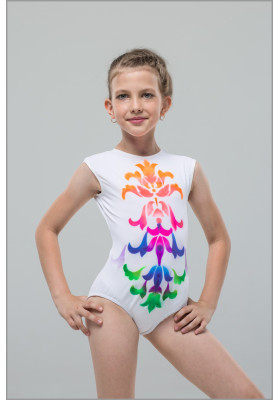
Girls Leotard-15
$100.00CAD
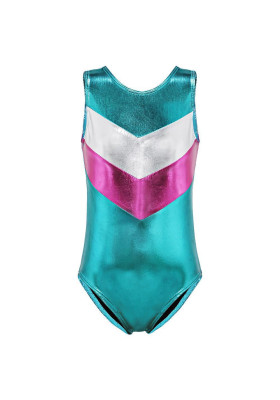
Gymnastics Leotard 01
$35.00CAD