


- 03 August, 2026
- 6
- 0
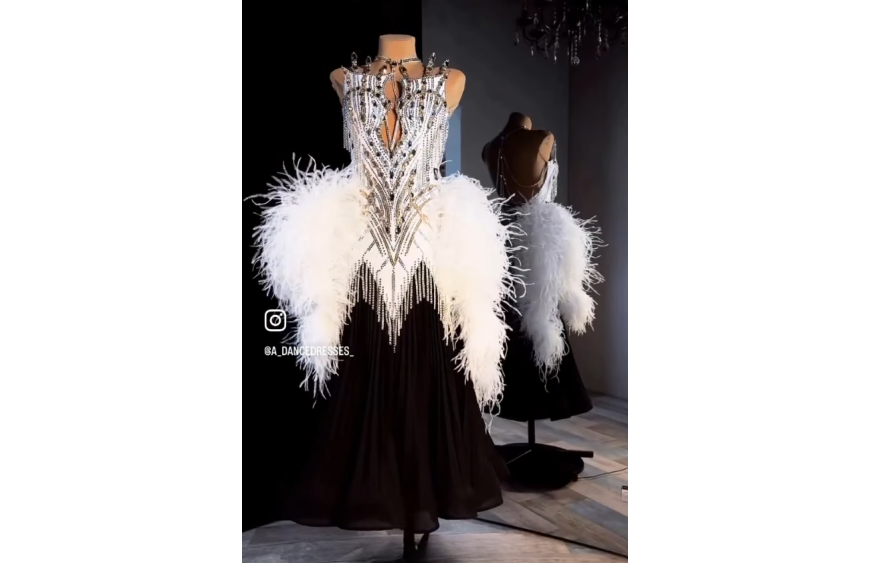
A competition dress has to do far more than look beautiful under ballroom lights. The best ballroom competition dresses support posture, survive repeated rounds, move with the choreography, and help a dancer feel composed from the first heat to the final bow. That balance is why a dress that photographs well on a hanger is not always the right dress for the floor.
For dancers in Standard, Smooth, Latin, Rhythm, and youth DanceSport, the right choice depends on the event, the dancer’s level, the rules, and the practical realities of fit. A well-chosen gown or Latin dress becomes part of the performance. A poorly fitted one can distract from it.
Start With Your Dance Category
The first question is not, “What color should I wear?” It is, “What am I dancing?” Ballroom and Latin have very different movement requirements, and the silhouette should reflect that distinction.
Standard and International Ballroom
Standard gowns are designed to create a long, elegant line in closed hold. Full skirts, floats, chiffon layers, and soft draping can amplify turning action and make a dancer’s movement visible from across the floor. The dress should move when the dancer moves, then settle quickly enough that it does not hide footwork or interfere with a partner’s frame.
A ballroom gown needs particular attention at the shoulders, upper back, and underarms. These areas are constantly working in closed position. A neckline that shifts, sleeves that pull, or floats that catch on a partner’s buttons can turn a lovely gown into a difficult one to wear. Try the dress in dance position, not only standing straight in front of a mirror.
American Smooth
Smooth dresses often need to work in both closed and open choreography. They can have the glamour and volume of a ballroom gown, but they must also allow for arm styling, spins, side-by-side patterns, and dramatic lines. Open backs, lighter sleeves, and secure skirt construction can be especially useful when choreography includes more expansive movement.
The trade-off is that extra volume and decorative elements need careful control. A skirt should create impact without wrapping around the legs during open turns. Test it with the actual movement patterns you plan to dance.
Latin and Rhythm
Latin and Rhythm competition dresses are typically more body-conscious and built for speed, rotation, hip action, and sharp accents. Fringe, mesh, stretch fabrics, asymmetrical skirts, and stoning can all add movement and visual rhythm. The key is security. A short skirt, halter neckline, or open back must stay in place through quick direction changes, spins, and powerful leg action.
A dress can be sleek without being restrictive. Look for quality stretch through the torso and hips, secure closures, and enough coverage to let you dance freely without adjusting your costume between heats. Fringe should swing cleanly rather than tangle, and embellishments should be firmly attached.
Fit Is the Performance Feature You Cannot Skip
A competition dress should feel close to the body, but it should never make breathing, shaping, or floorcraft harder. Many dancers make the mistake of judging fit while standing still. Competition fit is active fit.
When trying on ballroom competition dresses, raise both arms, take a full breath, rotate through the torso, bend the knees, and walk as if entering the floor. If possible, practice a few basic figures in the shoes and undergarments you expect to wear. Check whether the bodice rides up, whether straps stay put, and whether the skirt catches at the inner thigh or heel.
The bust and waist are often the most important fitting points, but the upper back matters just as much for partnered dance. A dress that is too loose across the back can shift during frame. One that is too tight can prevent the dancer from fully expanding through the ribs and shoulder blades.
Alterations are common, especially for competition garments. Small adjustments to straps, hem length, cups, or a waist seam can change how secure and polished a dress feels. Allow time for any alteration and dance-test the finished dress before competition day. Do not make your first full wear a surprise at the event.
Check Event Rules Before You Commit
Dress regulations can vary by organizer, age division, proficiency level, style, and sanctioning body. This is particularly important for juvenile and junior dancers, where rules may limit certain cuts, fabrics, decorative details, or stonework.
Parents shopping for juvenile competition dresses should prioritize rule compliance, comfort, and durability before dramatic styling. Young dancers need garments that allow natural movement and can handle a busy competition schedule. A clean, age-appropriate design in the correct category often looks more confident than an overcomplicated costume.
For adult dancers, rules may be more flexible, but they still matter. Confirm what is permitted for your specific competition before choosing a heavily embellished dress, a particular level of skin exposure, or large decorative accessories. If you are uncertain, bring the event dress code when shopping and ask for guidance.
Choose Fabric and Finish for the Way You Dance
Fabric affects movement, comfort, maintenance, and how a dress reads under lighting. Chiffon creates soft, floating motion and is a natural choice for many Standard and Smooth skirts. Stretch knit, mesh, and lycra-style fabrics provide flexibility for Latin and Rhythm. Velvet can look rich and flattering, although it may feel warmer under bright lights. Lace and mesh add texture but should be checked carefully for stretch and durability.
Stones and embellishments can make a dress come alive under competition lighting, but more is not automatically better. Heavy stoning increases visual sparkle and can add weight. It may be worth it for a major event or a dancer who wants maximum shine, but a lighter design can be more comfortable and easier to maintain, especially for newer competitors.
Color should support the dancer rather than compete with them. Consider skin tone, hair color, partner coordination, and the usual lighting at the event. Deep jewel tones often create strong contrast, while bright colors can be highly visible in a large ballroom. Pale shades can look elegant but may need thoughtful detailing so they do not disappear under strong light.
Build the Full Competition Look
A dress is only one part of competition presentation. The right dance shoes, undergarments, jewelry, hair accessories, and garment care items all affect how the final look performs.
Shoes should be selected for the dance style, floor conditions, and fit, not simply matched by color. A dancer in a flowing Standard gown needs reliable support and a heel height they can use confidently through multiple rounds. A Latin dancer needs a secure, flexible shoe that works with pointed feet and quick weight changes. Break in competition shoes through practice, but avoid wearing them down before the event.
Choose undergarments that disappear under the garment and remain secure during movement. Some dresses include built-in bodysuits or cups; others may require dance-specific foundation pieces. Test every layer together. A visible strap, shifting bra band, or uncomfortable seam can pull attention away from the dancer’s performance.
Keep a small competition repair kit with extra stones if needed, fabric-safe adhesive, a needle and thread, fashion tape, safety pins, and a garment bag. These are practical items, not glamour purchases, but they can save a stressful moment backstage.
Buy for This Season, Not an Imaginary Future
It is tempting to buy the most elaborate dress available, especially for a first competition. Yet the best choice is usually the one that suits your current event, confidence level, and dance goals. A newer competitor may benefit from a polished, comfortable dress that can be worn at several events. A more experienced dancer preparing for a featured event may want a more specialized look with custom-like fit and stronger detailing.
This also applies to growing youth dancers. Leave enough room for comfortable movement, but avoid buying so large that the garment shifts on the floor. A well-fitting dress is safer, more flattering, and easier to dance in than one purchased several sizes ahead.
For dancers near Toronto and the GTA, trying on competition wear in person can be especially valuable. Dancewear Champions can help dancers compare silhouettes, assess movement and fit, and coordinate the garment with appropriate ballroom or Latin shoes before event day.
Your competition dress should let the judges see the dancing, not see you fighting the dress. Choose the category first, test the fit in motion, confirm the rules, and give yourself time to wear it with confidence. When the music starts, the best dress is the one you stop thinking about because it moves exactly as you do.
Tags American Smooth, secure, flexible shoe, garment bag. Competition Dresses
Related Products
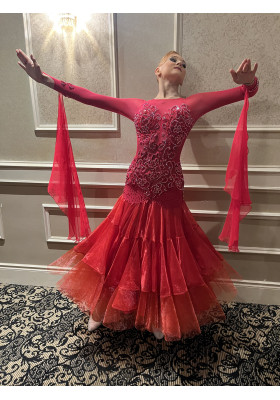
Sale
Performance Ballroom Dress 01
$1,500.00CAD $777.00CAD

Performance Latin Dress 02
$600.00CAD

Performance Ballroom Dress 04
$1,800.00CAD

Sale
Performance Latin Dress 03
$2,000.00CAD $1,499.00CAD

Performance Latin Dress 14
$1,800.00CAD

Sale
Performance Ballroom Dress 09
$2,000.00CAD $1,499.00CAD