

- 18 August, 2026
- 132
- 0
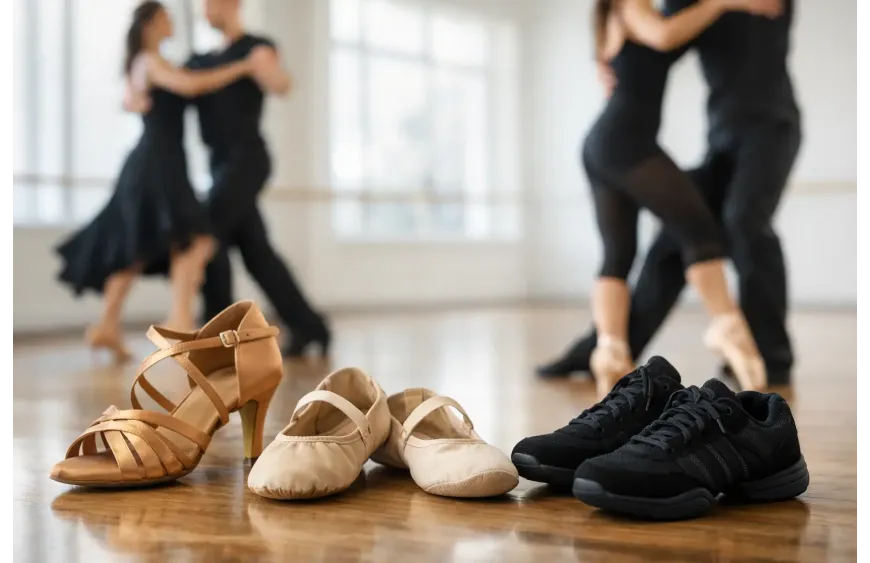
A turn that feels easy in sneakers can suddenly feel sticky, heavy, or unstable. The right dance shoes change that experience. They help you move with the floor rather than fight it, support cleaner technique, and give your feet the secure, polished look that social dancing, teaching, performances, and competitions demand.
Choosing a pair is not simply a matter of finding the right color or heel height. Your dance style, experience level, foot shape, floor surface, and how often you dance all matter. A first pair should make learning more comfortable. A competition pair may need to meet a higher standard for line, flexibility, and presentation. Understanding the differences will help you choose shoes that serve your dancing now and leave room to grow.
Start With the Dance Style
The most useful question is not “What shoes look best?” but “What will I be dancing?” Ballroom and Latin shoes are built for different movement patterns, and a shoe designed for one can feel wrong in the other.
Latin, Salsa, and Bachata Shoes
Latin dance shoes are designed to show the foot, create a pointed line, and allow fast weight changes. Ladies’ Latin styles often have open toes, slim straps, and flexible soles that make it easier to articulate through the ball of the foot. Men’s Latin shoes commonly have a close-fitting, lower-profile shape and a heel that supports Latin posture and action.
Open-toe sandals can be a wonderful choice for salsa, bachata, cha-cha, rumba, and Latin competition. They also reveal more of the foot, so fit is especially important. Toes should sit comfortably inside the front edge rather than extending far beyond it. Straps should feel secure without pinching or forcing the toes to grip.
Ballroom, Standard, and American Smooth Shoes
Ballroom and Standard dancing involves longer steps, backward movement, rotation, and a sustained connection with a partner. Closed-toe ballroom shoes protect the toes and create a classic formal line. Ladies often prefer styles with a supportive vamp and a stable heel, while men generally need a smooth, secure shoe that allows controlled heel leads and gliding movement.
American Smooth dancers may choose footwear according to the figure and their preferred styling. A closed-toe shoe can provide a traditional ballroom appearance, while an open-toe style may suit certain showcase or social settings. The best choice depends on whether you prioritize toe protection, visual line, or versatility across several dances.
Social, Practice, and Teaching Shoes
If you attend weekly social dances, teach for hours, or need one dependable pair for several styles, look for a practice or social dance shoe. These styles often offer more coverage, cushioning, and stability than competition sandals. They are practical for dancers who want a controlled sole without the formality of a dedicated competition shoe.
Practice shoes are especially useful for beginners and returning dancers. They can provide a confident middle ground: more freedom to turn than street shoes, with more support than a very flexible high-heel sandal. For teachers, comfort over long sessions matters just as much as appearance.
Why Suede Soles Matter in Dance Shoes
A proper dance sole is one of the biggest differences between dance footwear and ordinary shoes. Most ballroom and Latin dance shoes use suede on the bottom. Suede gives a measured amount of grip and slide, allowing you to pivot, travel, and stop with control.
Rubber athletic soles are often too grippy for dance floors. They can catch during a turn and place unwanted strain on the knees or ankles. Hard leather soles may slide too much on some surfaces. Suede is the practical balance, but it does need care. A sole brush lifts compressed fibers and removes dirt so the shoe continues to grip consistently.
Floor conditions still matter. A shoe that feels ideal on a clean wood floor may feel faster on a polished studio floor or slower on a dusty community hall floor. If you dance in several locations, give yourself time to test the shoe and adjust your movement rather than assuming every floor will feel the same.
Find the Right Heel Height and Shape
A higher heel can lengthen the leg line and encourage a more elevated look, but it is not automatically the right choice. Heel height should match your balance, strength, and dance experience. A lower heel is often the smartest starting point for a new dancer, someone recovering confidence after time away, or anyone who spends long hours practicing.
Heel shape affects stability, too. A broader flare heel offers a larger base of support and can feel reassuring for beginners and social dancers. A slimmer heel creates a refined look and may suit experienced dancers who are comfortable placing their weight precisely. Neither is universally better. The right option is the one that lets you maintain posture and move without bracing through your feet.
For men, heel height also varies by category. Ballroom shoes are typically designed for a grounded, smooth action, while Latin shoes often have a more pronounced heel to support the distinctive leg and footwork of Latin dances. Choosing the correct category makes a noticeable difference in how naturally the technique develops.
A Proper Fit Should Feel Secure, Not Painful
Dance shoes should fit more closely than everyday shoes because they need to move with the foot. That does not mean they should hurt. A snug fit is appropriate; numbness, sharp pressure, cramping, or a heel that repeatedly slips are not.
Try shoes on when your feet are at their usual dancing size, often later in the day or after some walking. Stand, take a few controlled steps, rise onto the balls of your feet, and test a small turn if space allows. Notice whether your toes are forced forward, whether the arch feels supported, and whether the heel stays in place.
Materials also affect fit. Satin and leather may soften with wear, while some synthetic materials may change less. Do not buy a shoe that is significantly too tight with the expectation that it will stretch dramatically. It is better to choose a style that suits your foot shape from the beginning.
For open-toe styles, the front straps should hold the foot without cutting across the toes. For closed-toe shoes, there should be enough room to place weight through the toes without jamming them into the front. If one foot is slightly larger, fit the larger foot and use a small insert only if needed for the other.
Choosing Dance Shoes for Children and Youth
Youth dancers need footwear that supports growing feet while giving them the flexibility to learn correct movement. The priority is secure fit, appropriate heel height, and a style that meets the requirements of their class or competition category. A shoe that is too large may seem practical for growth, but excess room makes balance and foot placement harder.
Parents should check fit regularly, particularly during periods of rapid growth. Look for signs that toes are crowded, straps are leaving deep marks, or the dancer has begun avoiding weight on one side of the foot. For young dancers, comfort and correct function should come before a more advanced-looking style.
Make Your First Pair Last
Dance shoes should be worn indoors and reserved for dancing whenever possible. Outdoor pavement wears down suede quickly and brings grit onto studio floors. After dancing, let shoes air out rather than leaving them in a sealed bag, especially if you practice several times each week.
A small amount of regular care goes a long way. Brush suede soles when they become smooth or dirty, inspect heel tips before they wear unevenly, and store shoes in a way that prevents straps from bending or snagging. If you dance often, rotating between a practice pair and a dressier social or competition pair can help each shoe last longer.
The right pair will not perform the dance for you, but it can remove distractions that hold you back. Whether you are preparing for your first ballroom class, a Saturday salsa social, or a competition floor, choose dance shoes that feel stable, fit your dance category, and let your attention stay where it belongs: on the music, your partner, and the joy of moving well.
Tags Dance Shoes, dancing Shoes, practice Shoes, ballroom shoes, Latin shoes, social shoes, social dancing shoes
Related Products
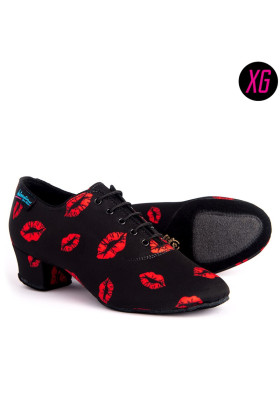
IDS - KATYA HEATHER SPLIT-SOLE - LIPSTICK
$254.00CAD
Sale
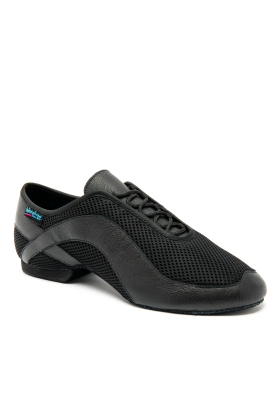
IDS - JAZZ - AIRMESH/BLACK
$198.00CAD $168.00CAD
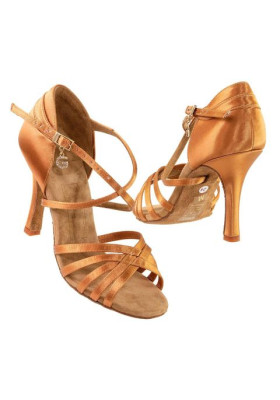
Galex - Emma - Tan-Satin - Heel - Slim 8cm
$238.00CAD
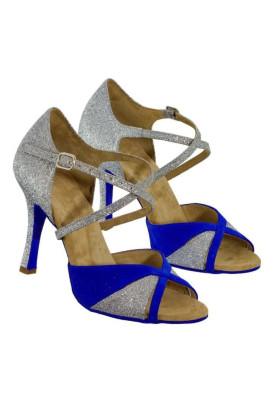
Galex - Emily - Heel - Slim 4-9 cm
$275.00CAD
-280x400.webp "IDS - Heather Split-Sole - BluePinkPanther - 1.5\" heel")