


- 10 November, 2026
- 9
- 0
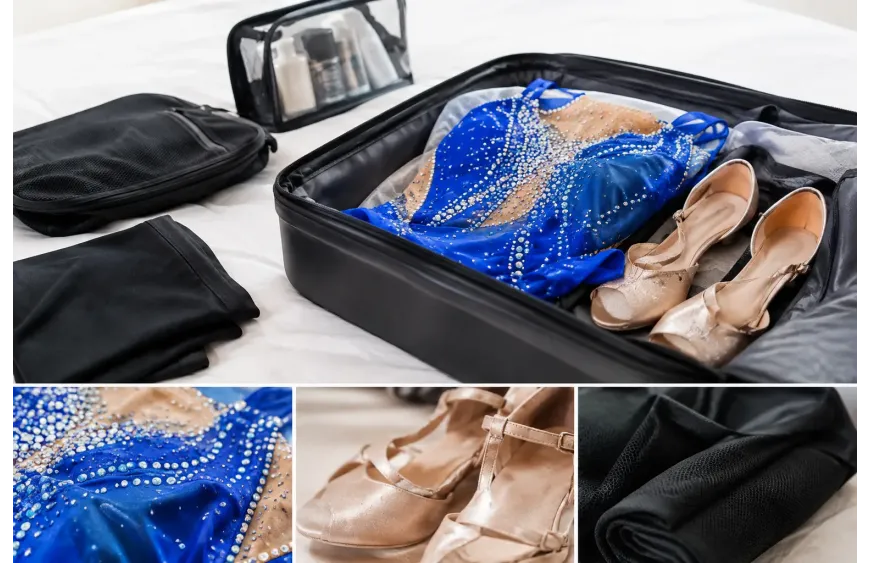
A competition costume can take months to choose, alter, stone, and perfect. Then it has to survive a crowded changing room, a long drive, or an airline baggage system without losing stones, crushing feathers, or arriving in a knot of fringe. Knowing how to pack a competition costume protects your investment and lets you focus on dancing when your heat is called.
The right method depends on the costume. A sleek Latin dress with rhinestones needs different handling than a full Standard gown, a juvenile dress, or a men's tail suit. Still, the goal stays the same: prevent pressure, friction, moisture, and last-minute searching.
Start With a Clean, Fully Checked Costume
Pack only after your costume has been aired out and inspected in good light. Check closures, hooks, straps, mesh, hems, and appliqués. Run your hand gently along stoned areas to identify loose stones before they fall off inside a garment bag. If the costume needs a small repair, do it before travel rather than hoping to find the right adhesive, thread color, or sewing time at the venue.
Make sure the costume is completely dry. Even a little moisture from cleaning, steam, or perspiration can leave an odor or affect delicate fabrics when the garment is enclosed for hours. If you have washed or spot-cleaned a practice piece that will travel with your costume, give it the same consideration.
For costumes with removable jewelry, detachable floats, cuffs, belts, or hairpieces, separate those pieces before packing. They are easier to protect when they are not pressing against the costume itself.
Choose the Right Bag for the Costume
A structured garment bag is the best starting point for most competition wear. It keeps dresses and suits hanging properly and offers more protection than folding them into a standard duffel bag. Choose one with a full zipper and enough length that the hem is not forced into a tight fold.
For a Latin dress, hang the garment on a sturdy hanger with smooth shoulders. Avoid wire hangers, which can distort straps and leave marks in delicate fabrics. Close zippers, fasten hooks, and place a small piece of soft tissue between sections that could catch, such as a heavily stoned bodice and sheer skirt panels.
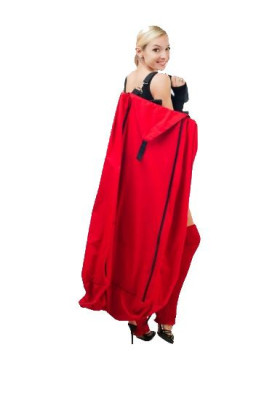
A ballroom gown often requires more room. Hang it from its strongest internal hanger loops, not from fragile straps or neckline details. Lift the skirt carefully into the bottom of the garment bag, arranging layers in loose sections rather than twisting or tightly rolling them. If the bag is not long enough, use a larger dance garment bag rather than forcing the hem upward.
Men's competition shirts, trousers, vests, and tail suits benefit from their own garment section or a separate bag. Keep a crisp shirt away from shoe soles, tanning products, hair products, and costume jewelry. A folded suit may travel well for a short car trip, but hanging is usually the safer option for formal competitionwear.
How to Pack a Competition Costume Without Crushing Details
The biggest packing mistake is placing heavy items on top of the costume. Dance shoes, makeup cases, garment steamers, water bottles, and accessories should travel separately. Pressure can flatten feathers, bend rhinestones, crease satin, or leave permanent impressions in mesh and stretch fabric.
Use soft, clean tissue paper to cushion areas with stones, sequins, feathers, or delicate lace. Do not use rough paper, printed paper, or anything that may transfer color. Tissue is particularly useful between a costume's front and back when the garment folds naturally inside a bag. It reduces rubbing during travel, which matters when two heavily embellished surfaces touch.
For fringe, lay the costume flat briefly and gently arrange the fringe before hanging it. Do not pull or brush aggressively. Once in the garment bag, give the fringe enough space to hang as freely as possible. A costume with long fringe should not be packed beside items with zippers, buckles, or sharp edges.
Floats deserve special treatment. Detach them if the design allows. Fold them loosely with tissue between layers, then place them in a clean, roomy accessory pouch. If they must remain attached to the gown, arrange them on top of the skirt with tissue as a buffer. Never wind floats tightly around the hanger.
Feather trims can be protected with a loose layer of tissue, but avoid compressing them. Feathers may look less full after travel, especially in dry winter weather or after being pressed inside a bag. A gentle shake and a little time hanging in open air often helps them recover.
Pack Shoes, Accessories, and Backups Separately
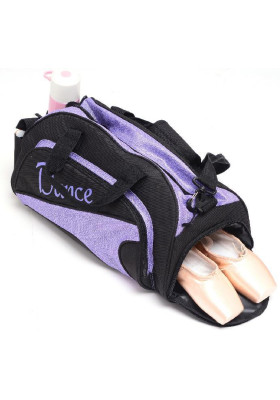
Your costume bag should not become a catch-all. Create a second dance bag for footwear, beauty items, and competition essentials. Put each pair of dance shoes in its own shoe bag or soft pouch. This keeps suede soles, heel protectors, and shoe brushes away from costume fabric.
Jewelry, hair accessories, and costume-specific adornments should go into divided cases or labeled pouches. Labeling sounds simple, but it prevents a stressful search when you need a particular earring, bracelet, or hairpiece five minutes before a heat. Keep pairs together, and pack spare earring backs if your costume includes earrings.
A compact repair pouch is worth carrying to every competition. Include clear and matching thread, needles, small scissors, safety pins, fashion tape, spare hooks, a few rhinestones in key sizes and colors, and the adhesive you know works with your costume. Add a lint roller for smooth fabrics and a small soft cloth for quick touch-ups.
For dancers who use self-tanner or body makeup, pack those products upright in a sealed cosmetic bag. One loose cap can stain an entire costume bag. The same rule applies to perfume, hair spray, and makeup setting spray.
Consider the Trip: Car, Flight, or Full Competition Weekend
For a local competition, hang the garment bag from a rear passenger hook or lay it flat across a clean back seat with nothing on top. Avoid leaving costumes in a hot or cold car for long periods. Extreme temperatures can affect adhesives, feathers, and certain decorative materials.
When flying, take the costume as carry-on whenever possible. Checked baggage is more likely to be compressed, delayed, or misplaced. Ask politely whether a garment bag can be placed in a closet or laid across the top of other carry-on bags. Policies and space vary by airline, so have a backup plan that allows the garment bag to fold once, loosely and with tissue protection.
For multi-day events, bring a separate bag for each day’s costume or label each garment bag clearly. Include the matching accessories with each look rather than pooling every piece of jewelry together. This is especially helpful for parents managing juvenile competition dresses, shoes, hair accessories, snacks, and warm-up clothing for a young dancer.
Unpack as Soon as You Arrive
Do not leave the costume packed until you are dressed. As soon as you reach the hotel or venue, hang it in a clean, dry space. Open the garment bag enough for the costume to breathe, then check the hem, straps, rhinestones, and any decorative elements that may have shifted.
If you need to release wrinkles, use the gentlest option first. Hanging time can solve minor creases. For fabrics that tolerate steam, keep the steamer at a safe distance and test an inconspicuous area before working near stones, glued appliqués, feathers, or mesh. Never press a hot iron directly onto rhinestones, sequins, stretch mesh, or decorative trims.
Keep the costume covered until you are ready to wear it. Competition venues can be busy, with makeup dust, food, hairspray, and many people moving through shared changing spaces. A garment bag is protection before travel, during travel, and at the event itself.
A well-packed costume does more than arrive looking polished. It gives you one less variable on a day that already asks for timing, stamina, and focus. Build your packing routine around your own costume, your travel plan, and the items you reach for most often, then repeat it before every competition until it feels as familiar as your warm-up.
Tags Right Bag for the Costume, shoes, jewelry, backup essentials
Related Products

Black U Shape Hair Pins
$15.00CAD
Dance Bag 01
$45.00CAD
Dance Wear Covers 01
$80.00CAD

Metal Hair Clips 01
$10.00CAD

ILIOS Tan
$130.00CAD