


- 09 October, 2026
- 8
- 0
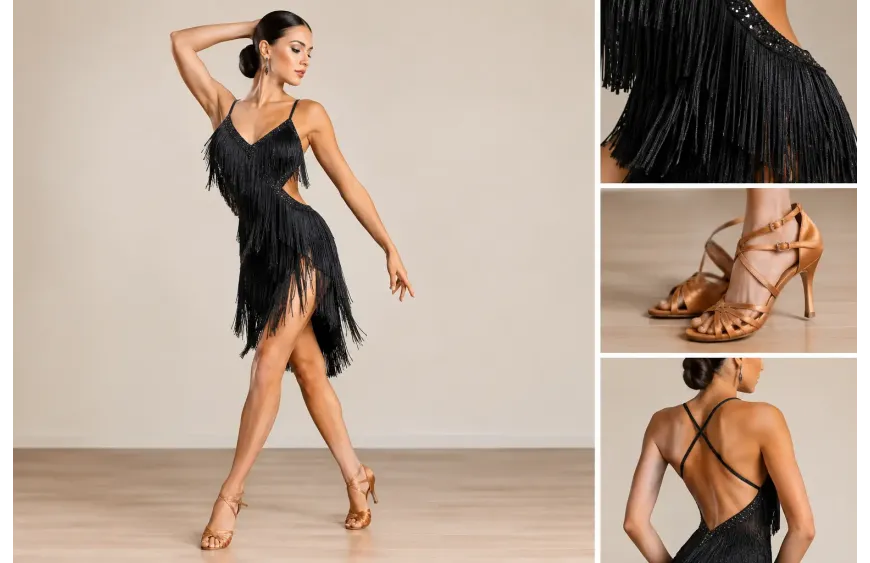
Fringe should do more than look dramatic in a mirror. In cha-cha, rumba, samba, jive, and salsa, it needs to respond to your hip action, turns, and changes of direction without catching, twisting, or overwhelming your line. Learning how to style Latin fringe starts with choosing a garment that moves with your body, then building the rest of your look around it.
A fringe dress, skirt, bodysuit, or Latin costume can make simple movement read more clearly from the floor. The best result is not always the most fringe. It is the fringe placement, length, color, and fit that make your dancing look intentional.
Start With the Purpose of the Outfit
Before choosing accessories or deciding on a hairstyle, consider where you will wear the fringe. A social dance outfit has different needs from a competition dress. For social salsa or bachata, you may want a fringe skirt or dress that feels fun but still offers comfortable coverage and easy movement. For Latin practice, a fringe top paired with high-waisted dance pants, shorts, or a fitted skirt can give you visual feedback on your movement without requiring a full costume.
For a showcase or competition, fringe is often more directional. It may frame one hip, emphasize a leg line, or create movement across the torso and back. Competition-ready pieces also need secure construction. Test the garment with a few sharp spot turns, Cuban walks, and a fast chassé before relying on it for an event.
Choose Fringe Placement That Flatters Your Movement
Not all fringe creates the same visual effect. Vertical fringe placed at the hips can lengthen the body and make hip action more visible. Diagonal fringe can draw the eye across the torso and create a stronger sense of motion, especially in a dress with an asymmetrical neckline or skirt. Layered fringe tends to look fuller and more energetic, which can suit jive or samba, but it can also add visual volume.
If you are new to Latin dancewear, begin with a cleaner silhouette. A fitted black dress with fringe at the hem, or a bodysuit with a fringe skirt, is easier to style than a heavily stoned costume with multiple textures. The garment should support your dancing rather than become the main event.
Fringe around the upper thigh is popular because it activates quickly during walks and rotation. However, length matters. Fringe that ends at a visually awkward point on the leg can shorten the line, while fringe that is too long may tangle around the knees. Move in the garment rather than judging it only while standing still.
Balance a Fitted Base With Moving Detail
Latin fringe looks its best over a close-fitting base. Whether you choose a dress, leotard, bodysuit, or skirt set, the garment underneath should stay in place as the fringe moves. A loose base can make the overall look appear untidy and may cause fringe to bounce in unpredictable directions.
Look for secure straps, a supportive bust fit, and enough stretch through the ribs, back, and hips. If you will be dancing for several hours, comfort matters as much as appearance. A costume that needs constant adjusting takes attention away from your partner, timing, and performance.
How to Style Latin Fringe With Shoes and Accessories
Your shoes should keep the outfit grounded. Latin heels in tan, bronze, black, or a shade that blends with your skin tone can lengthen the leg and allow colorful or embellished fringe to take center stage. Black Latin shoes can work beautifully with a black fringe dress, particularly when you want a sleek, uninterrupted line.
If your fringe is bright, patterned, heavily stoned, or layered, keep jewelry edited. Small rhinestone earrings, a simple bracelet, or one coordinating cuff may be enough. Too many sparkling elements can compete with the motion of the fringe, especially under ballroom lighting.
Hair should follow the same principle. A polished Latin bun, sleek ponytail, or controlled wave gives a fringe outfit a clean finish. For social dancing, you can be more relaxed, but avoid hairstyles that catch on straps, necklaces, or shoulder fringe during turns.
For men, fringe is usually used with more restraint. A fitted Latin shirt with fringe details at the sleeves, chest, or hem can add movement without losing a sharp silhouette. Pair it with well-fitted Latin pants and the correct Latin dance shoes. The aim is a clean line through the torso and legs, with decorative movement that supports rather than distracts from the dancing.
Use Color to Control the Mood
Black fringe is versatile for practice, performances, and competition. It is easy to pair with metallic accessories, tan shoes, or a pop of color in makeup or jewelry. Red, cobalt, emerald, and fuchsia create stronger floor presence, while nude mesh and skin-tone details can make fringe appear to float across the body.
Consider the venue as well. A dark fringe costume may lose detail in a dim room, while very pale fringe can look less defined against a light-colored floor or bright backdrop. Rhinestones and metallic accents can help reflect light, but they should follow the garment's lines. Random embellishment can make a costume look busy instead of intentional.
For youth dancers, color and fringe should also suit the event rules and age category. A stylish look still needs to meet any costume requirements set by the organizer. When in doubt, choose a polished, age-appropriate design with secure coverage and movement-friendly fringe.
Layer Fringe Carefully for Practice and Social Dance
A full fringe dress is not the only way to wear this detail. For practice, a fringe skirt over dance shorts or a bodysuit gives you freedom to train while still seeing your rhythm and hip action. A fringe crop top can also work with high-waisted leggings or fitted Latin practice pants, provided the proportions stay balanced.
Avoid pairing fringe with too many other moving details. Flowing sleeves, a loose wrap skirt, long necklaces, and fringe all in one outfit can make your lines difficult to read. Choose one focal point. If the skirt is doing the movement, keep the top clean. If the top has dramatic shoulder fringe, choose a streamlined bottom.
This is especially useful for teachers and social dancers who need an outfit that can transition from demonstration to several hours on the floor. A coordinated practice look can feel expressive without being as delicate or formal as a competition costume.
Check Fit in Motion, Not Just in Front of a Mirror
The quickest way to tell whether fringe works is to dance in it. Raise your arms, rotate through the rib cage, take a full stride, and try the movements most common in your style. Check whether the fringe catches on your hands, sticks to the garment, or flips inside out. Also check whether the hem and straps stay secure when you turn quickly.
A properly fitted garment should allow your shoulders to settle naturally and your hips to move freely. If a dress pulls across the back, rides up at the hip, or shifts at the bust, sizing or construction may need attention. The right fit is particularly valuable for dancers between sizes, dancers seeking plus-size options, and young dancers growing into their next competition season.
For dancers in the Toronto and GTA area, an in-person fitting can be useful when you need to compare hem lengths, shoe heights, and the movement of different fringe styles. Bring the shoes and undergarments you expect to wear so you can see the full line accurately.
Care for Fringe Before It Needs Repair
Fringe requires gentler handling than basic practicewear. After dancing, let the garment air out completely before storing it. Avoid crushing it into a packed dance bag, since bent strands can lose their shape or tangle with stones and hardware. If the fringe has become twisted, separate it patiently by hand rather than pulling hard.
Follow the care label closely, particularly on costumes with rhinestones, mesh, appliqué, or glued trim. Hand washing may be appropriate for some pieces, while others require more specialized care. Keep the garment away from rough jewelry, Velcro, and unprotected shoe buckles that can snag delicate strands.
The most effective Latin fringe styling has a simple goal: it should make your movement easier to see and your dancing easier to feel. Choose a fit you trust, give the fringe room to move, and let your own rhythm finish the look.
Tags Latin fringe, Latin fringe for practice, Latin fringe for competition,
Related Products
Sale
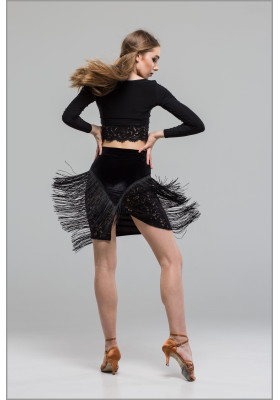
Latin Skirt 72
$115.00CAD $95.00CAD
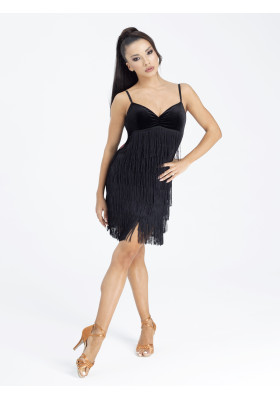
Latin Dress 14
$330.00CAD
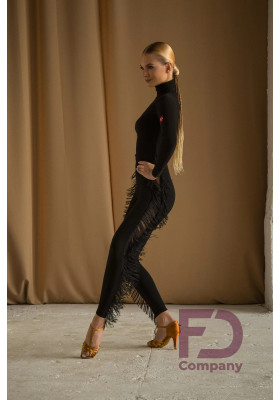
Leggings-09
$160.00CAD

Sale
Latin Dress 40
$250.00CAD $170.00CAD

Leggings-12
$310.00CAD
-280x400.jpg "Blouse 25")
Blouse 25
$80.00CAD

Latin Top-44 Shakira
$230.00CAD