


- 18 August, 2026
- 66
- 0
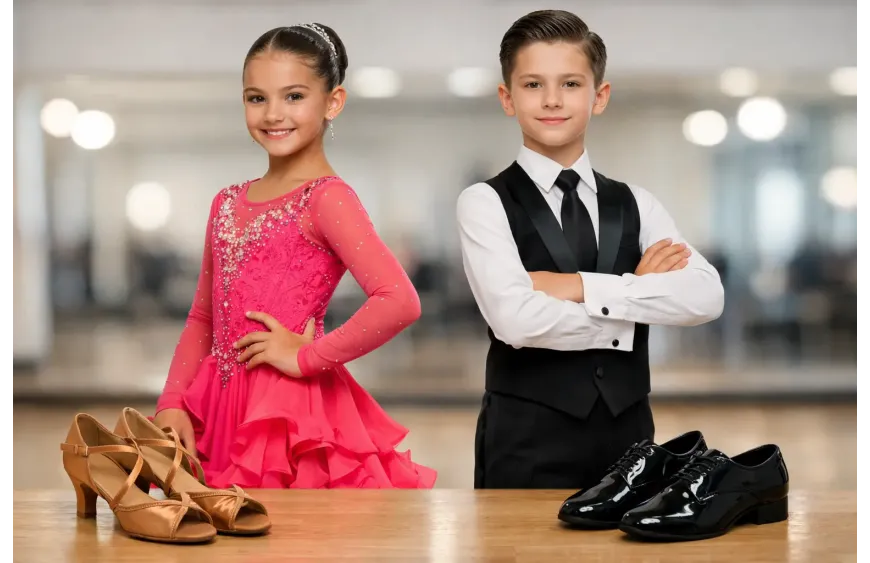
A competition outfit can change how a young dancer feels before the first count begins. A search for a Juvenile Competition Dress, Girls Competition Dress, boys Competition outfit is really a search for comfort, confidence, clean movement, and attire that suits the event. The best choice is not always the flashiest one. It is the garment a child can wear through warm-up, rounds, awards, and photos without tugging, overheating, or worrying about it.
For parents, the details can feel confusing because ballroom and Latin events have different visual expectations, and youth dress codes can vary by age division and organizer. Start with the dancer's style, level, and current competition rules. Then choose a well-fitted outfit that lets technique remain the focus.
Start With the Competition Rules
Before choosing color, fabric, or decoration, review the event's published dress regulations. Juvenile categories often have more restrictions than older youth or adult divisions. Requirements may address permitted fabrics, sheer panels, rhinestones, fringe, logos, jewelry, makeup, hair accessories, and the amount of decoration allowed.
Rules are not identical at every event. A dress that is acceptable at one competition may need adjustments for another, particularly if the event follows a different DanceSport organization or age classification. If anything is unclear, ask the organizer before competition day. It is far easier to confirm an outfit at home than to make a last-minute change at the venue.
A useful approach is to buy with versatility in mind. A polished, appropriately modest base garment can often work across several events, while removable accessories can refresh the look when rules permit. This also makes it easier to adapt as a young dancer gains experience.
Choosing a Juvenile Competition Dress for the Dance Style
Ballroom and Latin dancing place different demands on a girl's competition dress. The right silhouette should complement the dance while allowing the child to move naturally.
Ballroom and Standard dresses
For ballroom or Standard, skirts need enough volume to create beautiful movement in turns without becoming heavy or distracting. A dress should allow the dancer to raise her arms into frame comfortably, maintain posture, and move backward without stepping on fabric. Sleeves, floats, and skirt layers can look lovely, but they should be securely attached and tested during full movement.
A young dancer should be able to hold her frame without the neckline shifting or the bodice pulling. Look for soft linings, smooth seams, and a secure fit through the torso. Dresses that are too long can catch under the heel, while dresses that are too short may not provide the visual balance needed for ballroom movement.
Latin and rhythm dresses
Latin dresses tend to be more compact and energetic, with details that emphasize rhythm, hip action, and quick footwork. Fringe, ruffles, mesh overlays, and asymmetric skirts can all create movement, but the garment still needs to stay in place through spins, jive kicks, and fast changes of direction.
For juvenile dancers, controlled design matters more than excessive decoration. A simple dress with a flattering line, lively skirt action, and reliable coverage often looks stronger on the floor than a heavily embellished outfit that overwhelms a young dancer. The child should be able to bend, stretch, and dance at full speed without needing to adjust straps or a hem.
Fit Matters More Than the Size Label
Dancewear sizing is different from everyday clothing, and size labels are only a starting point. A competition dress should feel close to the body without restricting breathing, rib movement, or arm placement. If the fabric pulls across the chest, bunches at the waist, or rides up when the dancer lifts her arms, the fit needs reconsideration.
Have the dancer try the garment on with the undergarments, dance shoes, and hair style she expects to wear at the event. Then ask her to do real dance actions: hold frame, take side steps, spin, kick, bend, and sit. A few minutes of movement reveals more than standing in front of a mirror.
Leave room for growth, but avoid sizing up too far. A loose bodice can shift during a routine, and long skirts are a safety concern. If a child is between sizes, the decision depends on the garment's stretch, construction, and whether professional alterations can create a secure fit. A knowledgeable dancewear fitting can help families avoid buying an outfit that looks right on a hanger but does not perform well on the floor.
Building a Boys Competition Outfit
A boys competition outfit should look neat, dance-specific, and proportionate while supporting a full range of movement. The basic pieces are usually a fitted dance shirt or bodysuit, well-cut dance pants, appropriate footwear, and any permitted accessories. Although the overall look may be simpler than a dress, details such as shirt fit, trouser length, and waist placement are highly visible in partnered dancing.
For ballroom, a classic shirt and trousers create a clean line in frame. The shirt should stay tucked or fitted through the waist without billowing when the dancer raises his arms. Pants should sit securely at the waist and skim the leg without being baggy. Hems need to be long enough for a polished look but clear of the floor and heel.
For Latin, the outfit can be more fitted and expressive, depending on age division rules. Stretch shirts and dance bodysuits are especially useful because they stay in place during sharp arm actions and energetic choreography. A young dancer should never have to stop and retuck a shirt between rounds.
A proper boys competition outfit also depends on the right shoes. Ballroom shoes should support smooth heel leads and stable partnered movement, while Latin shoes need flexibility and secure foot placement. Practice in the complete outfit before the event, including shoes, socks, belt if permitted, and any competition number attachment, so there are no surprises.
Keep Young Dancers Comfortable Through a Long Day
Competition days can be long, warm, and busy. Comfortable dancewear is not a minor detail. It affects focus, posture, confidence, and how readily a child can respond to coaching.
Choose breathable fabrics and soft linings whenever possible. Scratchy sequins, stiff seams, tight elastics, and loose appliqués can become much more irritating after several hours. If an outfit includes decorative stones, fringe, floats, or layered mesh, inspect it before each event and keep a small repair kit for minor issues.
It also helps to have a practical backup plan. A second shirt, spare tights or socks, extra hair pins, garment tape where appropriate, and a simple warm-up layer can save the day. Keep food, drinks, makeup, and pens away from the competition garment until the dancer is dressed and ready.
Create a Complete, Polished Look
The garment is one part of presentation. Hair, shoes, grooming, and accessories should support the outfit rather than compete with it. For juvenile dancers, neatness usually makes a bigger impact than adding more sparkle.
Check that shoes are clean and properly fastened, hems are secure, straps are comfortable, and the competition number can be attached without damaging the garment. Bring a cover-up or warm-up outfit to protect the costume between rounds. Young dancers often sit on floors, eat snacks, and lean against chairs, so keeping the competition look covered until needed is worthwhile.
Most importantly, involve the dancer in the decision. Children who like how they look and feel in their dancewear tend to walk onto the floor with more ease. Parents can guide the practical choices, but a child's comfort with the color, shape, and feel of the outfit matters.
For families in Toronto and the GTA, Dancewear Champions can provide personal guidance on youth fit, dance-specific clothing, shoes, and the small accessories that complete a competition day. Bring the dancer, have them move in the outfit, and choose the option that lets their training show clearly from the first step to the final bow.
Tags girls competition dress, boys competition outfit, Juvenile Competition Dress
Related Products

Sale
Girl's Competition Dress 27
$545.00CAD $320.00CAD
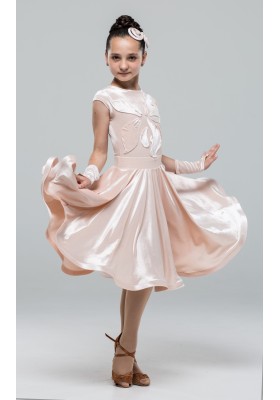
Girl's Competition Dress 71
$220.00CAD
Sale
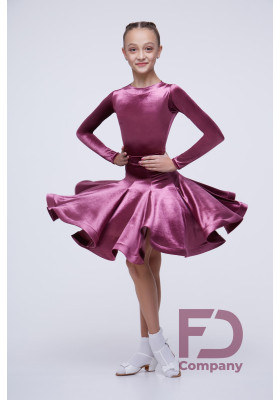
Girl's Competition Dress 08
$250.00CAD $198.00CAD
Sale
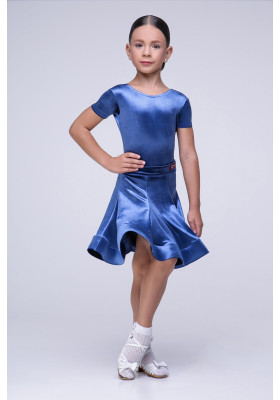
Girl's Competition Dress 11
$250.00CAD $170.00CAD
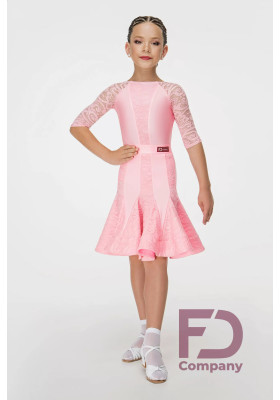
Girl's Competition Dress 40
$400.00CAD

Girl's Competition Dress 16
$395.00CAD

Sale
Girl's Competition Dress 51 White
$450.00CAD $350.00CAD
-280x400.jpg "Girl's Competition Dress 62")
Girl's Competition Dress 62
$200.00CAD