


- 05 August, 2026
- 222
- 0
-870x563.webp "Juvenile DanceSport Competition Dress Guide")
A juvenile dancesport competition dress has a demand for competition. It needs to look polished under bright ballroom lighting, stay comfortable through repeated heats, and help a young dancer feel confident without becoming distracting or difficult to manage. For parents, the best choice is rarely the most elaborate one. It is the dress that fits correctly, follows the event rules, and lets the dancer focus on technique, partnership, and enjoying the floor.
Juvenile competition categories are designed for developing dancers, so age-appropriate presentation matters. Requirements can vary by DanceSport organization, competition, age division, and dance style. Before choosing a dress, confirm the current dress code with your instructor or the competition organizer. That small step can prevent a beautiful costume from being unsuitable for the event.
Start With the Competition Rules
Rulebooks are not an afterthought when shopping for juvenile dancewear. They shape the appropriate silhouette, decoration level, fabric choices, and overall presentation. A dress that works for a showcase, social dance, or older youth category may not be appropriate for a juvenile DanceSport event.
In many juvenile divisions, the preferred look is neat, modest, and simple. This does not mean plain. A well-chosen color, a clean skirt line, and a flattering fit can create a strong impression from the floor. The goal is to support youthful, confident dancing rather than to imitate an adult competition costume.
Pay particular attention to rules around embellishments, sheer panels, cutouts, gloves, fringe, hair accessories, and jewelry. Even within the same event, Latin and ballroom or standard requirements may differ. If your child dances multiple styles, do not assume one dress automatically suits every category.
Keep a Record of the Approved Look
Once you have confirmed what is permitted, write down the key details before shopping: style, color restrictions if any, sleeve or neckline expectations, decoration limits, and accessories. Bring that information to a fitting appointment or keep it handy while browsing. It makes the selection process much clearer, especially for first-time competition families.
Fit Comes Before Sparkle
The most effective juvenile competition dresses are secure enough that the dancer forgets about them. A child who is pulling at a shoulder strap, adjusting a neckline, or worrying about a skirt will not be able to give full attention to timing, posture, and connection with a partner.
The bodice should lie smoothly against the body without gaping, twisting, or digging in. It should allow full arm movement for frame work, turns, and Latin arm styling. Check the fit while the dancer stands tall, raises both arms, takes dance hold, bends slightly, and turns. A dress can seem fine in a fitting-room mirror but behave very differently once the dancer starts moving.
Length deserves the same attention. A Latin skirt needs room for fast footwork and hip action without catching on the legs. A ballroom or standard skirt needs enough fullness to create movement, but it cannot be so long that the dancer steps on it during traveling patterns. Ask the young dancer to wear the correct dance shoes during the fitting. Shoe height changes both hem length and posture.
Growing room can be helpful, but too much extra space is a compromise. A dress that is oversized through the shoulders or torso may shift during spins and alter the intended line. If you are buying ahead for a growing dancer, look for styles with thoughtfully placed stretch, adjustable details where permitted, and a shape that can still sit neatly on the body.
Choose a Dress for the Dance Style
Latin and ballroom or standard call for different types of movement, so the skirt and fabric should reflect the program.
Latin Dresses for Juvenile Dancers
Latin dresses need to move quickly and cleanly. Skirts with controlled flare can emphasize turns and rhythmic action without creating too much bulk. Stretch fabrics are especially useful because they allow the dancer to settle into Cuban motion, extend through the arms, and move freely through jive kicks or cha-cha chasse steps.
Avoid designs that add unnecessary weight or loose pieces that can swing into the dancer's hands. A simple skirt with lively movement is often more practical than a heavily layered option. The visual effect should be bright, tidy, and easy to read from a distance.
Ballroom and Standard Dresses
For ballroom or standard, the dress should complement a longer, more continuous style of movement. A skirt with graceful flow can support the look of waltz, tango, foxtrot, and quickstep, while a secure upper body helps the dancer maintain a comfortable frame.
Test the skirt in closed hold. It should not bunch at the front, snag against a partner, or interfere with steps. If floats or decorative sleeves are allowed in the category, they must be securely attached and light enough to move with the dancer rather than pull the dress out of place.
Fabric, Construction, and Comfort Matter
A competition day can involve warm-up time, several rounds, waiting between heats, and travel to and from the venue. Fabrics should feel comfortable against the skin and recover their shape after movement. Soft stretch knits are popular for good reason: they offer mobility, are generally easier to care for, and can provide a close, secure fit.
Look closely at seams, closures, lining, and hems. Scratchy seams, rough labels, or stiff decorative areas can become a real problem after hours of wear. Lining should stay in place and provide the coverage needed for the dress to move confidently. Closures should be secure but manageable, particularly if a parent needs to help with quick changes.
Color is also a practical decision. Bright or saturated shades can stand out under ballroom lighting, while darker colors may look elegant and polished. What matters most is that the color complements the dancer's complexion, works with the event requirements, and makes the young dancer feel good. If possible, view the dress in natural light as well as indoor lighting before deciding.
Build the Full Competition Look Carefully
The dress is one part of competition preparation. Correct juvenile dance shoes, secure undergarments where needed, neatly managed hair, and any permitted accessories should work together rather than compete for attention.
Shoes deserve special care. They must fit snugly enough for control but should not pinch, rub, or feel unstable. A dancer should break in competition shoes during supervised practice rather than wearing them for the first time at an event. Keep the dress hem in mind when selecting shoes, because even a small heel-height difference can affect how the skirt falls.
Hair should be secure enough to stay neat through spins and quick movement. It is wise to do a complete practice run at home: dress, shoes, hairstyle, and any approved accessories. This is the easiest way to spot a loose strap, a slipping hairpiece, a skirt that catches, or shoes that need adjustment before competition day.
Plan for Care, Travel, and the Next Event
Competition dresses last longer when they are treated as performance garments rather than everyday clothing. Hang the dress after each wear so moisture can air out, follow the care label, and keep it away from rough surfaces, food, makeup, and unprotected shoe soles. A garment bag is useful for travel and helps keep the skirt smooth.
Pack a small competition kit with spare hair elastics, safety pins if allowed and appropriate, a small sewing kit, dance shoe supplies, and a clean cover-up for between rounds. Parents will appreciate having these basics nearby when the schedule is busy.
It is also worth checking fit before every major event. Young dancers can change size surprisingly quickly, and a garment that fit perfectly a few months ago may need an adjustment. A brief movement test is more useful than simply checking whether the zipper still closes.
Help Your Dancer Feel Like Themselves
A young competitor should feel proud of what they are wearing, but never overwhelmed by it. Give them a voice in the color or style after the rules, fit, and dance requirements have been addressed. When children feel comfortable and appropriately dressed, their confidence often shows in their posture before the music even begins.
For families in Toronto and the GTA, an in-person fitting can be especially reassuring before a first event. Dancewear Champions can help parents compare juvenile-appropriate styles, check movement and shoe pairing, and select competition pieces that make sense for the dancer's current level. The right dress should feel like dependable dancewear - ready to move, ready to perform, and ready for the next heat.
Tags competition dress, juvenile competition dress, girls competition dress,
Related Products
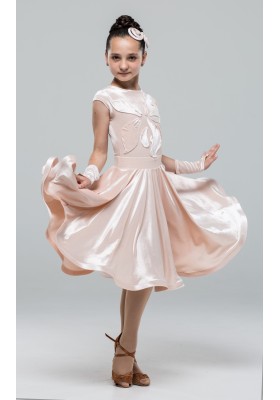
Girl's Competition Dress 71
$220.00CAD
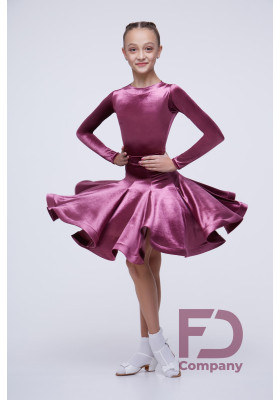
Sale
Girl's Competition Dress 08
$250.00CAD $198.00CAD
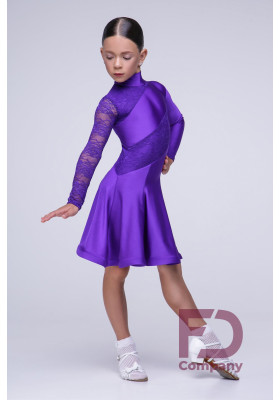
Sale
Girl's Competition Dress 21
$350.00CAD $285.00CAD
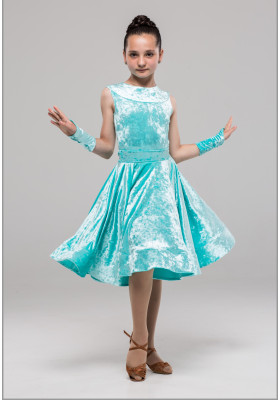
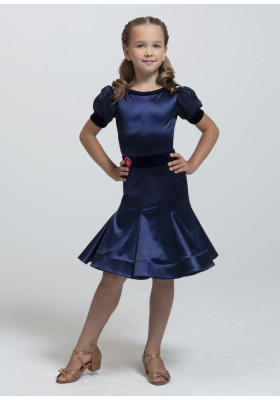
Girl's Competition Dress 04
$200.00CAD
Sale
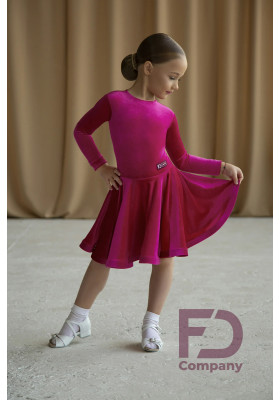
Girl's Competition Dress 34
$200.00CAD $150.00CAD
Girl's Competition Dress 14
$180.00CAD

Sale
Girl's Competition Dress 51 Black
$450.00CAD $350.00CAD