


- 19 August, 2026
- 119
- 0
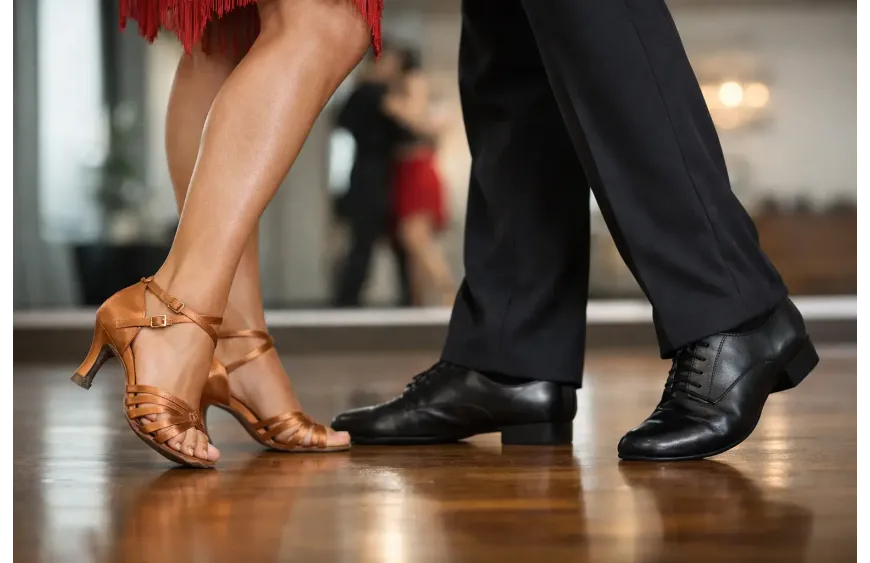
A Latin routine can look easy until a shoe slips, pinches across the toes, or makes a simple spot turn feel unsteady. The terms latin women dance shoes, latin men dance shoes, and latin dance shoes describe more than a style category. They point to footwear designed for quick weight changes, articulated feet, controlled turns, and the sharp rhythm of salsa, bachata, cha-cha, rumba, samba, jive, and competitive Latin.
The right pair should feel secure from the first basic step. It should also support the way you dance now, whether you are attending your first social, teaching several nights a week, or preparing for a showcase or DanceSport competition. A beautiful shoe matters, but fit, balance, sole flexibility, and heel stability matter more.
What Makes Latin Dance Shoes Different?
Latin dance shoes are built to help the foot point, shape, and respond to the floor. Most have a suede sole, which gives dancers the controlled glide needed for spins and directional changes on a proper dance floor. Rubber soles can grip too aggressively, making turns harder and increasing stress on knees and ankles.
For women, Latin shoes often feature an open toe, a strappy upper, and a higher heel than a standard ballroom shoe. The open front allows more toe articulation and creates the elongated foot line associated with Latin styling. For men, Latin shoes are typically lower-cut than standard ballroom shoes, with a flexible upper and a heel that encourages forward poise and a clean foot action.
That does not mean every dancer needs the highest heel or the most minimal strap. Social dancers may prioritize comfort over a dramatic silhouette. New dancers may need more coverage and a lower heel. Competitive dancers may choose a design that maximizes line and flexibility once their technique and ankle stability are established.
Choosing Latin Women Dance Shoes
The most common mistake when choosing ladies' Latin shoes is selecting a heel height based only on appearance. Heel height changes your balance, posture, knee action, and confidence. If you are new to heels, a lower, flared heel is often the smartest starting point. It provides a stable base while you learn to transfer weight over the ball of the foot.
A higher heel can create a longer leg line and can be appropriate for experienced dancers, performances, and competition. However, it should never force you to grip with your toes or lean back to feel balanced. If your ankles wobble while standing still, the heel is not yet working for you.
Toe shape matters as well. Open-toe Latin sandals should hold the front of the foot securely without crushing the toes. Your toes may sit close to the edge, but they should not spill over it. A shoe that is too long allows the foot to slide forward; a shoe that is too narrow can cause numbness, blisters, and painful pressure at the forefoot.
Straps are functional, not merely decorative. Crossed straps, T-bars, and ankle straps each secure the foot differently. Dancers with narrower feet often appreciate styles that can be adjusted more precisely. Those with a wider forefoot may need a design with more open coverage or a width option. If a buckle sits where it rubs the ankle, a buckle extender or different strap placement can make a meaningful difference.
For practice, many women prefer a closed-toe practice shoe or a Latin sandal with a modest heel. Save your most delicate competition pair for events, especially if you dance frequently. Rotating shoes helps preserve the sole and gives your feet a break from one pressure pattern.
Latin Men Dance Shoes Need a Different Fit Check
Latin men dance shoes should feel fitted, light, and responsive, but not restrictive. A loose shoe makes it difficult to articulate through the foot and can cause the heel to lift during backward walks, turns, and Cuban motion. A shoe that is too tight, on the other hand, limits the toes and makes long practice sessions uncomfortable.
Men's Latin shoes commonly have a Cuban heel, which is higher than the heel on a typical street dress shoe. This heel helps position the body for Latin technique, supporting a forward, grounded connection through the ball of the foot. The exact height and shape vary, so dancers should choose based on experience, comfort, and the requirements of their preferred dance style.
Look closely at the heel counter, the structured area around the back of the shoe. It should hold the heel in place without digging in. Check that the shoe bends where your foot bends, at the ball of the foot, rather than folding through the arch. A flexible forefoot supports pointed toes and fast footwork, while a supportive shank helps the shoe maintain its shape over time.
Men who dance both Latin and ballroom should consider separate pairs. Standard ballroom shoes are usually designed for a different stance and have a different vamp, heel profile, and overall feel. One pair can be useful for casual beginners, but dedicated Latin shoes become worthwhile as technique and dance frequency increase.
Find the Right Fit Before You Dance
Dance shoes should fit more closely than everyday shoes, but “snug” should not mean painful. The materials may soften with wear, particularly leather and satin, yet the shoe should not be purchased with the expectation that it will stretch dramatically. If the heel is slipping or the toes are compressed in the fitting stage, those issues usually become more noticeable after an hour on the floor.
Try shoes later in the day when feet are naturally a little fuller. Wear the type of hosiery you expect to use while dancing, if any. Stand, walk, rise onto the ball of the foot, and make a few gentle weight changes. In an open-toe sandal, check whether the foot slides forward when you shift your weight. In a men's shoe, check whether the heel remains seated as you step backward.
Sizing differs by brand and shoe construction. Your usual street-shoe size is a starting point, not a guarantee. This is one reason dancers in Toronto and the GTA often value an in-person fitting, especially for a first pair, a competition shoe, or a foot that is narrow, wide, or difficult to size. Dancewear Champions offers personal guidance to help dancers compare styles, widths, heel heights, and fit requirements with confidence.
Match the Shoe to How You Dance
A single category called “Latin shoes” includes several practical needs. Social dancers need comfort for a full evening, reliable straps, and a sole appropriate for the venue. Teachers need durable footwear that can handle hours of demonstrations and walking. Competitors may prioritize a precise fit, a refined line, and styles permitted by their event rules. Youth dancers need secure, age-appropriate heel heights and shoes that support safe development.
Think about the floor, too. Suede soles are made for smooth dance surfaces. They need regular brushing to remove dirt and restore their nap, which keeps the sole from becoming slick. Avoid wearing them outdoors, on wet pavement, or through gritty parking areas. If you need to travel from car to studio, protect the soles until you are inside.
Salsa and bachata dancers sometimes ask whether a Latin shoe is necessary for every venue. It depends. On a very sticky floor, suede helps with turns. On rough concrete or outdoor surfaces, a dedicated dance shoe can be damaged quickly, and a more durable social option may be the better choice. Choose according to the surface rather than forcing one pair to do every job.
Small Details That Protect Your Investment
A properly cared-for pair lasts longer and performs better. Brush suede soles regularly, let shoes air out after dancing, and keep them in a breathable shoe bag rather than a sealed plastic container. Check buckles, straps, heel tips, and sole edges before they become a problem.
Heel protectors can be useful where permitted, particularly for protecting floors and reducing wear on the heel tip. They must fit securely and should be checked often. For satin shoes, handle makeup, self-tanner, and refreshments carefully, since stains can be difficult to remove without affecting the fabric.
The best Latin dance shoe is the one that lets you stop thinking about your feet and start hearing the music. Choose the fit first, select the heel and styling that suit your level, and give the shoe the care it needs between dances.
Tags Latin Women Dance Shoes, Latin men Dance Shoes, Latin Dance Shoes
Related Products
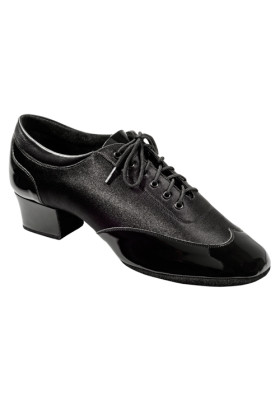
Galex - Edvard - Black Patent - Heel 4cm
$250.00CAD
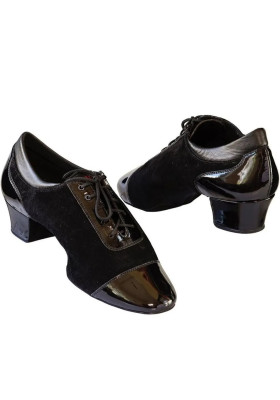
Galex - Leather - Black Nubuck - Heel 4cm
$248.00CAD
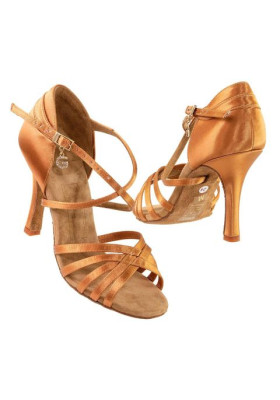
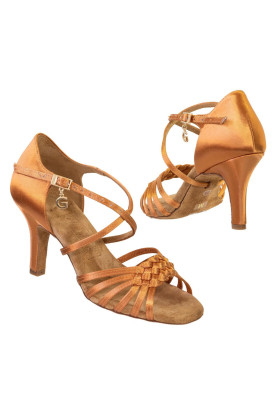
Galex - Emma - Tan-Satin - Heel - Slim 8cm
$238.00CAD
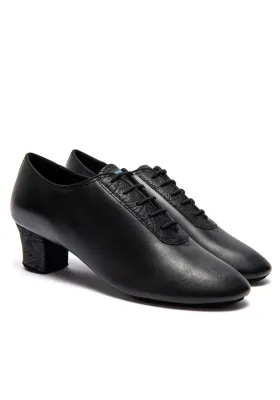
IDS - F33-BLACK CALF/BLACK FIORI -1.5" heel
$274.00CAD
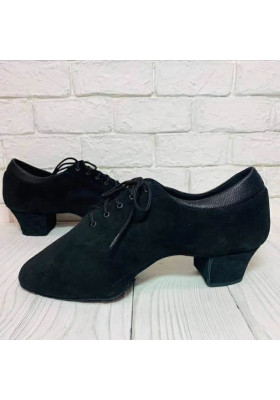
Galex - Black Nubuck - Heel 4cm
$250.00CAD

Galex - Light Pink- Heel - Slim 4-9 cm
$275.00CAD
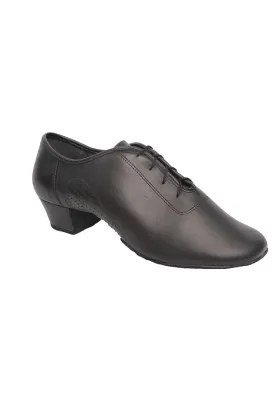
Galex - Latin - Leather - Heel 4cm
$248.00CAD

IDS - Flavia - Tan Shimmer - 2.5 Heel - Slim
$248.00CAD
-280x400.jpg "Latin Dance Shoes - Black Patent - Heel 1.5 inch")
Sale
Latin Dance Shoes - Black Patent - Heel 1.5 inch
$99.00CAD $65.00CAD

Sale
Dance Shoes - Heel 5.5 cm
$140.00CAD $75.00CAD

Sale
Dance Shoes - Heel 7.5 cm
$140.00CAD $75.00CAD