


- 03 August, 2026
- 377
- 0
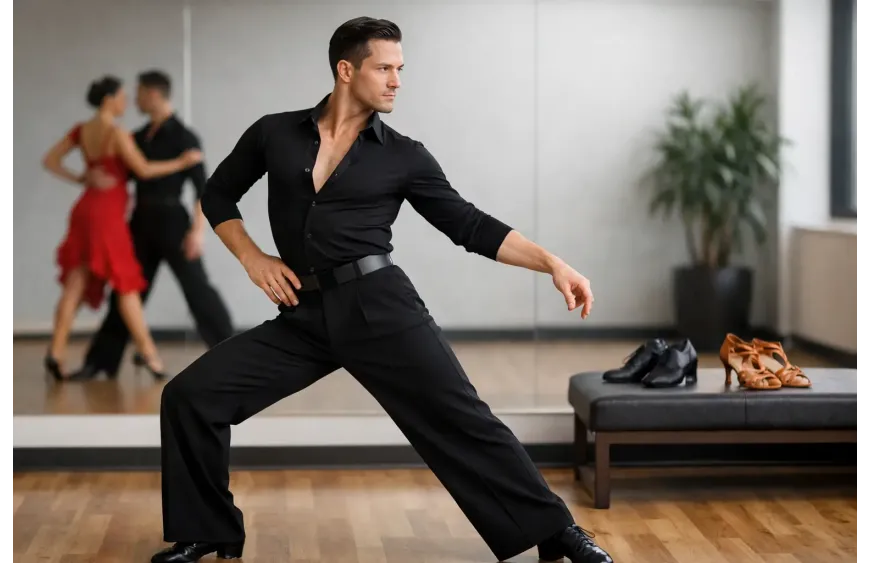
A sharp turn, a fast chasse, and a partner connection all show more clearly when your clothing moves with you instead of fighting you. The best men Latin dance pants create a clean line through the leg, stay comfortable through hours of practice, and bring the polished finish expected for Latin, salsa, bachata, and DanceSport settings.
They may look like simple black pants at first glance, but dance pants are built for a very different job than office trousers or casual jeans. The cut, waistband, fabric recovery, and hem all affect how you feel and how you look on the floor. Choosing the right pair starts with knowing where and how you will dance.
What Makes Men Latin Dance Pants Different?
Latin dance asks for speed, hip action, knee bends, lunges, and rotation. Standard pants can restrict those movements, pull at the seat, or lose their shape after a few songs. Proper Latin dance pants are designed to follow the body while maintaining a streamlined silhouette.
Most styles have a closer fit through the waist, seat, and upper thigh than traditional ballroom pants. This fit helps define the leg line without looking tight or costume-like. Depending on the style, the leg may remain slim to the ankle or open into a subtle flare below the knee. That flare can add visual movement during cha-cha, rumba, samba, and jive, while still looking refined for social dancing or a showcase.
The waist is another important distinction. Many dance pants use a smooth, flexible waistband rather than a bulky belt-and-loop construction. This keeps the front clean, helps the pants sit securely during movement, and avoids a belt shifting or digging in during practice. A higher or more supportive waistband can be especially helpful for dancers who prefer a little more coverage through the midsection.
Choose the Right Fit Before Choosing the Style
A good pair of Latin pants should feel fitted, not squeezed. You should be able to bend your knees deeply, take a wide side step, and rotate your hips without pulling across the seat or inner thigh. If the fabric feels strained when you move, sizing up or choosing a style with more stretch is usually the better solution.
Start with your actual waist and hip measurements rather than assuming your usual jeans size will translate directly. Dancewear sizing varies by brand, and a garment designed for a sleek performance fit may feel different from everyday pants. When you are between sizes, consider how you plan to wear the pants. For regular training, teaching, or long social dance nights, comfort and movement may take priority. For a competition or formal performance, you may prefer a more sculpted fit, as long as the fabric still allows full range of motion.
Length matters just as much as waist size. Pants that are too long can catch beneath the heel of a Latin shoe, while pants that are too short can break the long line of the leg. Try them on with the dance shoes you will actually wear. The hem should fall neatly over the front of the shoe and sit clear enough at the back that you will not step on it.
Slim Leg or Flared Leg?
A slim leg is versatile and easy to wear. It suits practice, lessons, social dancing, and many Latin performance looks. It also pairs well with fitted dance shirts, mock-neck tops, and simple black dance shoes.
A flared leg creates more dramatic movement and is a classic choice for Latin competition wear. The effect can be especially flattering when the flare begins below the knee, keeping the upper leg clean while allowing the fabric to respond to every step. However, a wide flare is not necessary for every dancer or every event. If you are new to Latin dance, a slim or lightly flared style is often easier to coordinate and more useful across different settings.
Fabric Should Move, Recover, and Breathe
The fabric is where a dance pant earns its place in your wardrobe. Look for materials with stretch in more than one direction, so the pants can accommodate forward steps, side breaks, lunges, and deep knee action. Stretch alone is not enough, though. The fabric also needs recovery, meaning it returns to its original shape instead of becoming baggy at the knees and seat.
A smooth stretch knit or dance crepe can offer a clean competition-ready appearance while remaining flexible. Matte finishes are a dependable choice for most dancers because they look polished under studio lighting and are easy to pair with other pieces. Some performance styles use a slight sheen, textured fabric, or strategically placed details for a more formal look.
Breathability deserves attention if you practice often or dance in warm studios. A heavier fabric may drape beautifully and offer excellent coverage, but it can feel warm during a long lesson. A lighter stretch fabric may be cooler and easier to pack, though it may show more body contour or require more careful laundering. There is no single best fabric for everyone. The right choice depends on your comfort, the level of formality, and how frequently you plan to wear the pants.
Match the Pants to the Dance Occasion
One well-fitting black pair can cover a surprising number of needs, especially for a newer dancer. For weekly classes, practice pants should be comfortable enough to repeat often and polished enough that you feel ready to dance with a partner. A simple fitted style in black is usually the most flexible starting point.
For salsa and bachata socials, choose pants that allow easy movement but still look intentional with your preferred dance top. A slim silhouette is often ideal because it feels current, stays out of the way, and works with both casual and dressier shirts. Avoid overly casual denim, cargo pockets, or thick seams that distract from the line of the body or limit motion.
Competition and showcase pants may call for a more deliberate finish. This can mean a more tailored cut, a subtle flare, a smoother waistband, or fabric that catches stage light in a controlled way. Your top, shoes, and overall costume matter here. Latin presentation is cohesive, so the pants should support the look rather than compete with it.
Ballroom and American smooth dancers may prefer a different cut altogether. Those disciplines often favor a longer, more flowing silhouette and may require pants that coordinate with a vest, jacket, or formal shirt. If you dance both ballroom and Latin, it is worth having separate pants when possible. A garment that is perfect for sharp Latin action may not give the same line needed for standard movement.
Details That Affect Comfort on the Floor
Small construction details can make a noticeable difference after several hours of dancing. A smooth front keeps the profile neat and works well under a fitted shirt. Secure closures and a stable waistband help the pants remain in place during spins and quick changes of direction. Pockets can be convenient, but minimal pocketing usually creates a cleaner dance silhouette.
Pay attention to the seat and inseam when trying on pants. The rise should allow you to lift your knees and settle into Latin action without the pants pulling downward. At the same time, excess fabric through the seat can look loose and interfere with the tailored appearance dancers usually want.
Before removing tags or committing to alterations, test a few actual dance movements. Walk, sit, bend, take a side lunge, and practice a turn. If the waistband rolls, the hem catches, or the inner thigh feels restrictive, the issue will become more obvious once you are on a crowded floor.
Keep Your Dance Pants Performance-Ready
Dancewear lasts longer when it is treated as technical apparel rather than regular laundry. Follow the care label, turn pants inside out when appropriate, and avoid high heat that can damage stretch fibers. Allowing pants to air dry also helps preserve shape and prevents unnecessary shrinkage.
It helps to keep at least one dedicated pair for performances or competitions and another for regular practice. Practice wear naturally sees more sweat, repeated washing, and studio wear. Saving your best pair for important events means it will retain its finish longer and be ready when you need it.
If you need help comparing a slim fit with a flare, checking hem length with your shoes, or finding a style that works for both practice and a performance, knowledgeable dancewear guidance can save a great deal of trial and error. The right pants should let you focus on timing, connection, and confidence - not on adjusting your clothing between songs.
Tags Men Latin Dance Pants, Dance Pants, Latin Dance Pants, Latin Pants
Related Products
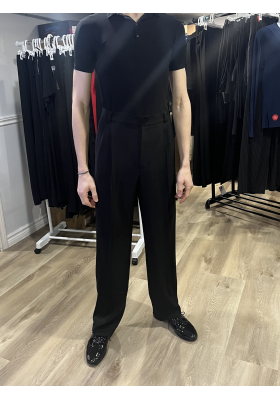
Man Pants - Armani
$250.00CAD
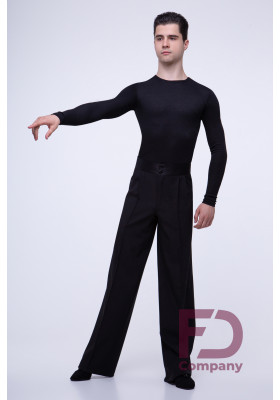
Men Latin / Ballroom Pants 01
$175.00CAD
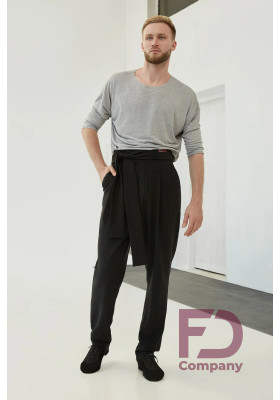
Men Latin Pants 03
$220.00CAD
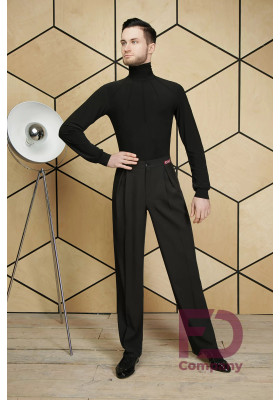
Men Latin Pants 04
$160.00CAD

Primabella Men Latin Pants - Bloomers
$290.00CAD