


- 26 October, 2026
- 24
- 0
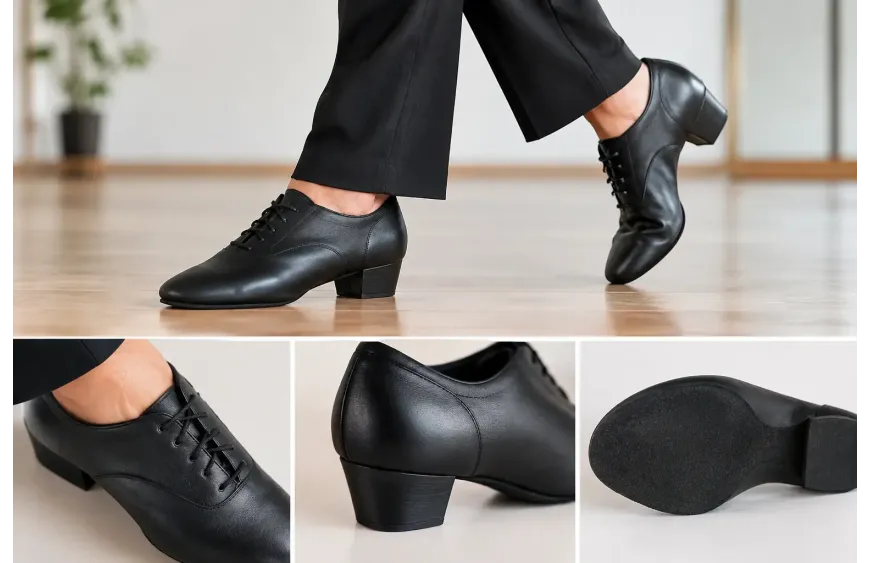
A good turn should feel intentional, not like a fight with the floor. The right men Latin dance shoes help you stay connected to the floor, move through the ball of the foot, and present a clean line whether you are learning salsa basics or preparing for a Latin competition. They are not simply formal shoes with a smooth bottom. Their shape, flexibility, sole, and fit are made for a very specific kind of movement.
For new dancers, the difference can be immediate. For experienced dancers, it can be the detail that makes hours of practice more comfortable and precise. Here is what to look for before choosing your next pair.
What Makes Men Latin Dance Shoes Different?
Men's Latin shoes are designed for dances that require quick weight changes, grounded action, turns, and expressive footwork. Think cha-cha, rumba, samba, jive, salsa, bachata, and related social Latin styles. Compared with standard ballroom shoes, they usually have a more flexible construction and a heel designed to support Latin technique.
The sole is one of the most important distinctions. Most proper Latin dance shoes use suede soles, which allow controlled movement across a wood dance floor. Suede provides enough grip to push from the floor without stopping the foot too abruptly during a turn. A rubber street sole may feel safer at first, but it can grab the floor and place unwanted stress on the knees, ankles, and hips when you rotate.
Latin shoes also tend to sit closer to the foot than everyday dress shoes. That close fit is purposeful. When the shoe moves separately from your foot, you lose responsiveness during spins, side steps, and fast directional changes.
Start With the Right Fit
A Latin shoe should feel snug from the first try-on, especially through the heel and midfoot. It should not feel painful, numb, or restrictive. The goal is secure contact, not compression.
Your toes should lie naturally without being curled or jammed into the front. There should be very little extra length beyond the toes, since excess room can cause the foot to slide forward or make the shoe feel unstable. At the same time, a shoe that is too short can create pressure at the toes and distract from your dancing.
Pay particular attention to the heel counter. If your heel lifts noticeably when you walk or rise onto the ball of the foot, the shoe is unlikely to give you the control you need. A secure heel helps create a cleaner line and prevents the constant readjustment that can interrupt practice.
Why Dance Shoe Sizing Can Feel Different
Dance shoes do not always fit like casual sneakers or work shoes. Depending on the brand, style, toe shape, and material, you may need a different size than you expect. Leather also has the potential to soften and shape to the foot with wear, while synthetic materials can feel more consistent but may offer less stretch.
This is why trying shoes with knowledgeable guidance can be valuable, especially for a first pair. At Dancewear Champions, local dancers in Thornhill and the GTA can receive personal help assessing length, width, heel security, and the overall feel of a shoe before taking it to the studio or dance floor.
Choosing a Heel Height for Latin Dancing
Men's Latin heels are usually higher than standard ballroom heels. That slight elevation is not only about appearance. It encourages the forward, ball-of-foot placement used in Latin technique and can make leg action look more defined.
A common men's Latin heel is around 1.5 inches, though heel shapes and heights vary. For many dancers, this is a comfortable starting point because it offers the intended Latin profile without feeling dramatically different from a dress shoe. More experienced dancers may prefer a higher heel for a stronger visual line or a particular competition look.
The best choice depends on your training, balance, and the kind of dancing you do. If you are attending salsa socials several nights a week, a moderate heel with dependable support may be more useful than a more specialized competition style. If you are building technique with an instructor, choose a heel height you can stand in comfortably while keeping your weight forward and your knees free to move.
Do not choose a higher heel just because it looks more advanced. A lower heel worn with control will always look better than a height that changes your posture or makes you hesitant to move.
Suede Soles Need the Right Care
A suede sole performs best when it is clean and evenly textured. Over time, dust and residue can pack down the fibers, making the sole either too slippery or unevenly grippy. A dance shoe brush restores the nap and helps you maintain predictable contact with the floor.
Brush the sole before dancing when it feels smooth or shiny. Use firm, short strokes and work across the entire sole, including the edges. Keep your shoes for indoor dance use whenever possible. Walking outside on pavement can damage the suede, collect dirt, and shorten the life of the shoe.
Floor conditions matter, too. A newly cleaned or unusually sticky floor can change how every suede-soled shoe feels. If a floor has more grip than usual, avoid forcing turns. Adjust your movement and let the shoe work with the surface rather than against it.
Leather, Synthetic, and Split-Sole Options
The upper material affects both the look and feel of your shoes. Leather is a popular choice because it can conform to the foot over time and often provides a polished, classic appearance. It can be an excellent option for dancers who want a close, tailored fit, although it may need a brief break-in period.
Synthetic styles can be easier to maintain and may retain their original shape more consistently. They can work well for practice, social dancing, or dancers who prefer a vegan option. The trade-off is that they may not mold to the foot in the same way leather does.
Some men's Latin dance shoes have a split sole, with separate sole sections under the front of the foot and heel. This construction can offer greater flexibility and make it easier to point the foot or articulate through the arch. It is often appreciated by dancers who want a lighter, more responsive feel. A full sole can feel more structured and may be preferred by dancers who want a little more stability for long practice sessions.
Neither option is automatically better. Your foot strength, dance level, and preferred style of movement all matter.
Match the Shoe to Where You Dance
A competition shoe, a practice shoe, and a social dance shoe can overlap, but they do not always need to be the same pair. Competitive Latin dancers may choose a sleek black leather shoe with a refined profile that complements formal dancewear. A dedicated practice shoe may prioritize comfort, flexibility, and durability for repeated drills.
For social salsa or bachata, comfort becomes especially important because you may be on the floor for several hours. Look for a secure fit, a dependable heel, and a style you can wear confidently without worrying about every mark or scuff. If you dance in venues with uneven, rough, or non-dance-friendly floors, consider saving your suede-soled shoes for proper indoor floors and bringing a second pair for arrival and departure.
Teachers also have different needs. If you spend long days demonstrating steps, standing with students, and moving between classes, a supportive teaching or practice shoe may make more sense than a narrow, competition-focused style.
Signs It Is Time to Replace Your Shoes
Dance shoes wear gradually, so it is easy to overlook changes until your feet begin to complain. A sole that cannot be refreshed with brushing, a heel that has become uneven, or an upper that no longer holds the foot securely can all affect your movement.
Watch for these signs: your heel begins slipping, the shoe twists more than it used to, the sole has worn through in one area, or you notice new discomfort during turns. Replacing worn heel tips promptly is also worthwhile. An uneven heel can alter balance and make the shoe less stable.
If you dance frequently, rotating between two pairs can help each pair dry fully between sessions and can extend their useful life. It also gives you a backup when one pair needs cleaning, brushing, or repair.
A Better First Step on the Dance Floor
The best men's Latin shoe is the one that supports your technique without demanding your attention. It should fit close, let your feet articulate, and give you enough controlled slide to turn with confidence. Start with the right size and heel, protect the suede sole, and give yourself a few practice sessions to become familiar with the feel. Once your shoes disappear from your thoughts, your dancing has more room to come forward.
Related Products

IDS - Rumba - Black Calf - 1.5" Heel
$268.00CAD
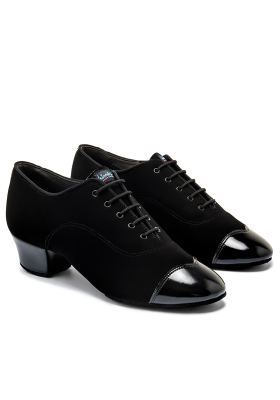

Latin Dance Shoes - Leather - Heel 3.5 cm
$120.00CAD
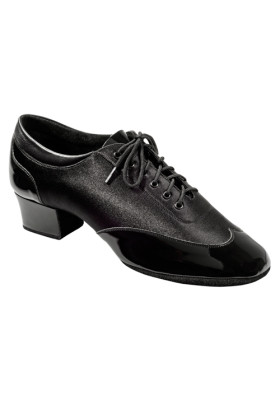
Galex - Edvard - Black Patent - Heel 4cm
$250.00CAD
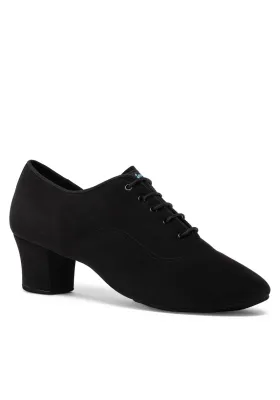
IDS - Rumba - Black Nubuck - 1.5" Heel
$274.00CAD
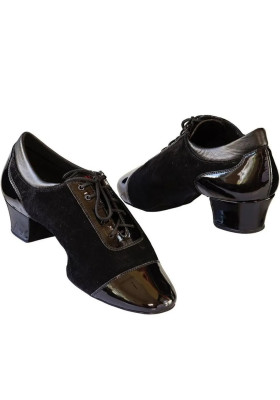
Galex - Leather - Black Nubuck - Heel 4cm
$248.00CAD
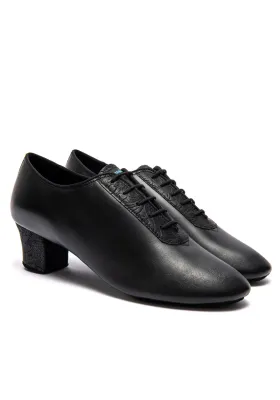
IDS - F33-BLACK CALF/BLACK FIORI -1.5" heel
$274.00CAD
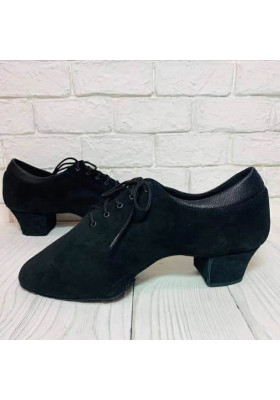
Galex - Black Nubuck - Heel 4cm
$250.00CAD