


- 13 November, 2026
- 10
- 0
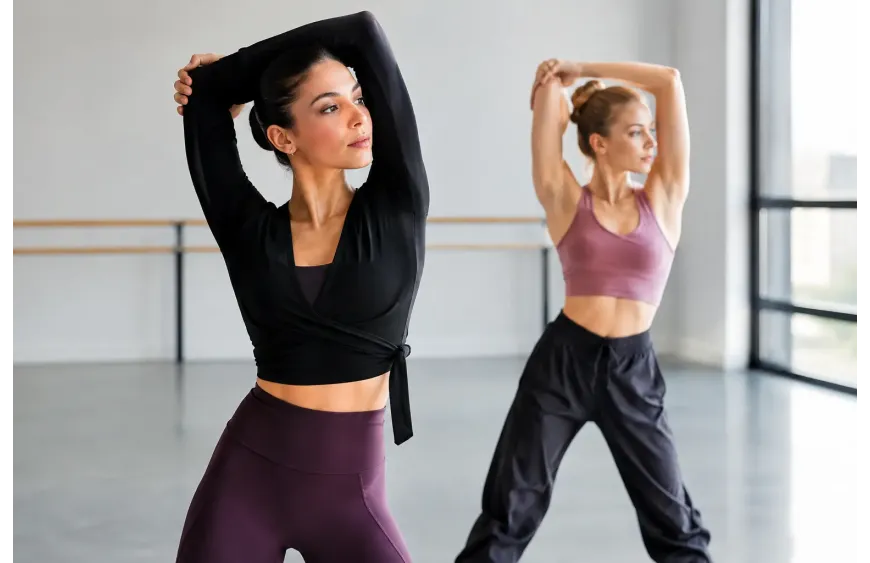
The first few minutes of class can feel completely different from the last hour on the floor. Muscles are cool, studio temperatures vary, and the outfit that feels perfect once you are dancing may not be enough before your body is ready. The right top dance warmup layers help you arrive prepared, build heat gradually, and stay comfortable between rounds, lessons, rehearsals, or performances.
Warmup wear is not just something to throw over a leotard or practice top. For ballroom, Latin, ballet, and social dancers alike, it should preserve freedom through the shoulders, hips, knees, and ankles while giving you a polished, intentional look. The best combination depends on your dance style, the temperature, and how much you need to remove before dancing.
What Makes a Dance Warmup Layer Work?
A good warmup layer keeps your body comfortable without changing how you move. That means fabric with some stretch, a shape that does not catch while turning, and enough ease to fit over your base outfit. A sweatshirt that is ideal for commuting may feel bulky in a ballroom hold. A loose cardigan may look lovely, but long open panels can get in the way during fast Latin spins.
Breathability matters as much as warmth. Your goal is to raise your body temperature before active dancing, not trap so much heat that you feel damp and distracted. Lightweight knits, soft stretch jackets, fitted long-sleeve tops, and flexible warmup pants are practical choices because they can be removed quickly as your class progresses.
Think about transitions, too. A dancer moving from the car to a chilly studio needs a different layer than someone taking a short break between competition heats. Zippers, wrap styles, and easy pull-on pieces make a noticeable difference when time is tight and you do not want to disturb hair, makeup, or a carefully styled costume.
Top Dance Warmup Layers to Build Your Outfit Around
Fitted zip jackets
A fitted zip jacket is one of the most useful pieces in a dance wardrobe. It gives you coverage through the arms and upper body without the loose sleeves or heavy hood of casual outerwear. Choose a jacket that sits comfortably at the waist or high hip and allows you to lift both arms without pulling across the back.
For ballroom and smooth dancers, a streamlined jacket is especially helpful before partnering because it will not bunch excessively under the arms. Latin and salsa dancers often appreciate a close-fitting style that keeps the body warm while still showing enough of their lines to check posture and rib placement in the mirror. A full zipper also lets you cool down gradually rather than removing a layer all at once.
Long-sleeve stretch tops
A simple long-sleeve top is a quiet workhorse for class, practice, and teaching. It adds warmth while preserving the visibility of your torso, which is helpful when an instructor is correcting alignment, frame, or body action. Look for soft, stretch-friendly fabric and a neckline that stays in place when you turn or extend.
This layer works well over a sports bra, camisole, leotard, or fitted dance top. It is also a smart choice for dancers who do not enjoy the bulk of a jacket. If you expect to wear it for most of class, select a fitted but not restrictive shape. If it is strictly for the warmup period, a slightly roomier layer can be easier to take off.
Wrap tops and lightweight cardigans
Wrap layers bring a classic studio feel and are particularly popular for ballet warmups. They can provide gentle warmth across the shoulders and back while allowing the dancer to adjust the fit. A secure tie or close fit is important, especially if you will be doing turns, partnering, or quick footwork.
For ballroom practice, choose a short wrap or cardigan that finishes above the widest part of the hip. This keeps the fabric from interfering with skirts, dance pants, or connection with a partner. It is a less practical option for high-energy Latin training if the ties or open front move around too much, but it can be excellent for early barre work, stretching, or a quieter rehearsal.
Warmup pants, joggers, and leg layers
Keeping the legs warm is often the priority, especially before jumps, lunges, deep knee action, or extended practice sessions. Warmup pants should allow a full plié, a long stride, and unrestricted hip movement. Avoid stiff seams, overly wide hems that catch on shoes, and fabric that slides against itself loudly during movement.
Tapered joggers are a versatile choice for many dancers because they are easy to wear over shorts, leggings, tights, or bodysuits. For ballet, knit leg warmers can concentrate warmth around the calves and ankles while leaving the feet available for technique work. For Latin, ballroom, or social dance, slim warmup pants are usually easier to manage around heeled dance shoes.
There is a trade-off here. Very loose pants may feel cozy and retain more warmth, but they can hide leg action and make it harder to assess knee tracking or foot placement. A closer fit offers better visibility and fewer distractions, though it may be less insulating in a cold space. Consider the purpose of the session, not just the weather.
Leg warmers and booties
Leg warmers are useful when your ankles and calves need extra attention. They are common in ballet settings, but they can also help dancers of any style during early stretching and mobility work. Choose a length and thickness that will not bunch uncomfortably inside shoes or snag at the ankle.
Dance booties are best for waiting periods rather than active dancing. They can keep feet warm while you are backstage, sitting between rehearsals, or moving around a cold venue, but they are not a replacement for proper dance shoes. Remove them before taking the floor so your footwear gives you the support, flexibility, and connection to the floor your style requires.
Match Layers to Your Dance Style
The best warmup wardrobe is specific to what happens in your class. Ballet dancers often need pieces that reveal alignment while protecting the feet, calves, and hips. A leotard, wrap top, leg warmers, and fitted warmup pants create a practical system that can be adjusted throughout class.
Ballroom and American smooth dancers should prioritize shoulder mobility and a clean silhouette. A fitted jacket or long-sleeve top over practicewear lets you warm up without creating excess fabric around the arms, hands, or partner connection. If you wear a practice skirt, make sure any top layer does not catch on the waistband or restrict rotation through the torso.
Latin, salsa, and bachata dancers generally benefit from lighter, body-skimming layers. These styles build heat quickly, so a thin zip jacket, stretch top, or slim warmup pants may be all you need. Layers should come off easily before fast spins, sharp hip action, and energetic footwork.
For children and youth dancers, easy independence is key. A young dancer should be able to put on and remove a layer without help, recognize which item belongs over dancewear, and avoid tripping on oversized hems. Name labels and simple closures are practical for busy studios and competition dressing rooms.
How to Choose the Right Fit
Try a warmup layer with the movements you actually use. Raise your arms into dance frame, bend your knees, rotate through the torso, take a long step, and reach overhead. If the garment rides up, digs into the shoulders, twists at the waist, or requires constant adjustment, it is likely not the right practice piece.
Your base layer affects the fit as well. A jacket that fits over a thin camisole may be too snug over a leotard, bodysuit, or long-sleeve practice top. Bring your usual dance clothing when trying warmup pieces, particularly if you plan to wear them at competitions or showcases.
Do not overlook length. Cropped pieces can be comfortable and flattering, but they may leave the lower back exposed in a cool studio. Longer tops offer more coverage, yet they can interfere with skirts and obscure hip placement. The right answer depends on your preferred base outfit and whether you need your instructor to see detailed body lines.
Build a Small Rotation Instead of One Heavy Layer
One oversized sweatshirt cannot cover every dance situation. A small rotation is more useful: one fitted upper-body layer, one lightweight long-sleeve option, one leg layer, and a warmer piece for travel or waiting. This gives you flexibility when the studio is cold, the room warms up, or you move from a technique class into social dancing.
Keep your warmup layers clean and ready in your dance bag. After a hard practice, let them dry fully before packing them away. Pieces that keep their shape, feel fresh, and move comfortably are more likely to become part of your regular routine rather than an afterthought at the bottom of the bag.
At Dancewear Champions, dancers can find warmup options alongside the practicewear and dance shoes they already use, making it easier to check fit as a complete outfit. Choose layers that make the first ten minutes of movement feel easier, then let your technique take over when it is time to dance.
Tags dance warm-up, Ballroom Robe, Leg warmers, Ballroom Warm-UP
Related Products

Ballet Warm-UP 01
$25.00CAD

Ballroom Robe 02
$80.00CAD

Ballroom Robe 03
$90.00CAD

Sale
Velvet Ballroom Robe
$140.00CAD $99.00CAD
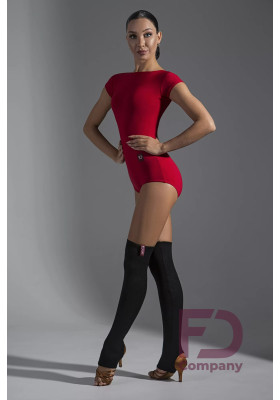
Leg warmers - 01
$35.00CAD

Ballroom Warm-UP - 03
$70.00CAD