

- 27 October, 2026
- 0
- 0
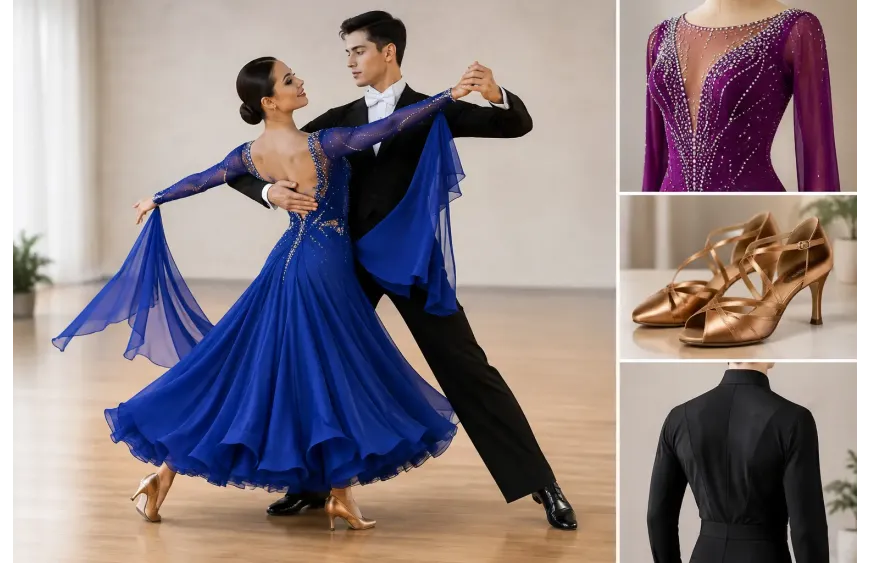
A ballroom outfit can look spectacular under lights and still be the wrong choice if it restricts a natural line, catches during a turn, or distracts from the partnership. That is the useful lens for 2026 ballroom fashion: expressive pieces are gaining attention, but fit, movement, and discipline-specific design remain the real foundation.
For dancers in Toronto, the GTA, and beyond, the strongest looks will not come from copying a competition photo exactly. They will come from choosing clothing and shoes that suit the dance, venue, skill level, and the way each dancer moves. A social dancer may want refined comfort for a long evening; a competitor needs visual impact that holds up through every round.
2026 Ballroom Fashion Is More Personal
The broad direction for 2026 is polished individuality. Rather than one dominant silhouette or one required color, dancers are leaning toward pieces that create a recognizable personal style while still respecting ballroom conventions. That can mean a clean black practice dress with an unexpected mesh sleeve, a classic Standard gown in a rich jewel tone, or a Latin look that uses texture instead of heavy decoration.
This is good news for dancers who have felt pressured to choose between “safe” and “showy.” A well-chosen garment can be both. The key is to give the eye one main point of interest: a strong neckline, a beautiful skirt movement, a dramatic back, or purposeful sparkle. When every detail competes, the overall effect can look busy from the judges’ floor or the social dance floor.
Color is also becoming more intentional. Black remains indispensable for practice, teaching, and sophisticated eveningwear, while deep emerald, berry, cobalt, wine, bronze, and warm neutrals offer a strong alternative to bright neon shades. Soft blushes and icy pastels can be beautiful for Smooth or Standard, especially when balanced with a flattering skin-tone mesh or carefully placed stones. The right color depends on complexion, lighting, and the dance itself, so a shade that looks perfect in a dressing room should also be tested in movement and, when possible, under event lighting.
What to Wear for Each Ballroom Discipline
Ballroom is not one clothing category. Latin, International Standard, American Smooth, social dance, and practice each ask different things from an outfit.
Latin and Rhythm: Shape, Speed, and Controlled Drama
Latin fashion continues to favor body-conscious silhouettes that show clear rhythm and allow fast hip action, spins, and sharp changes of direction. Fringe remains relevant because it makes movement visible, but in 2026 it is likely to appear in more selective placements rather than covering every inch of a dress. Layered fringe, asymmetric hems, cutouts with secure mesh panels, ruching, and sleek bodysuit-based designs all create movement without sacrificing a clean line.
For Latin practice, dancers do not need a full costume. A fitted dance top or bodysuit paired with a skirt, dance pants, or leggings gives an instructor and partner a clear view of posture and action. Choose fabrics with stretch and recovery. A garment that becomes loose after one class will not feel polished for long.
Men’s Latin styling is also becoming more varied. Fitted shirts, stretch dance pants, subtle sheen, open collars, mesh details, and color accents can all work well when the fit is precise. The goal is not simply a tighter shirt. It is a shirt that stays in place through arm styling and allows the torso to move freely.
Standard and Smooth: Movement That Reads Across the Floor
Standard and Smooth dresses need a different kind of drama. The visual story comes from glide, rise and fall, turns, and arm lines. Floaty skirts, chiffon layers, soft draping, detachable floats, and sleeves that extend the line remain central to this category. A gown should move several steps behind the dancer without tangling around the legs or pulling at the shoulders.
For 2026, expect elegant shapes with lighter-looking finishes. That does not necessarily mean less sparkle. It means embellishment is placed to frame the body, catch the light, or emphasize movement rather than weighing down the entire gown. Dancers who compete frequently may prefer a more versatile base color and update the look through jewelry, hair accessories, floats, or removable accents where permitted.
Smooth offers more freedom than International Standard, but freedom still needs control. A high slit, open back, or dramatic skirt can be effective if the garment remains secure in promenade, turns, and lifts where applicable. Before committing to a showcase or competition outfit, rehearse the biggest movement in the routine while wearing it.
Social and Practice Wear: Comfortable Does Not Mean Casual
Social dance clothing is becoming more polished, not more formal. The best choices make a dancer feel put together while allowing hours of movement. Ladies may prefer a dance dress, skirt and top, or dressy dance pants with a secure, flexible top. Men can build a reliable rotation around fitted dance shirts and stretch trousers that look neat without feeling restrictive.
For classes and teaching, clothing should make technique visible. Extremely oversized tops may hide alignment, while garments that are too tight can make a dancer self-conscious and limit movement. Breathable fabrics, comfortable waistbands, and layers for arriving or warming up are practical choices, particularly during colder Canadian months.
The Fit Details That Matter More Than Trends
An impressive style cannot compensate for poor fit. Whether buying a juvenile competition dress, plus-size dancewear, a men’s practice shirt, or a ballroom gown, start with the movements the item must support. Raise both arms, rotate through the torso, take a full stride, and try the shape of your most demanding turn. Check that necklines stay where they belong, waistbands do not roll, and hems do not catch under the shoe.
Fabric matters as much as cut. Stretch mesh offers coverage and visual interest, but it should recover its shape rather than bag at the elbows or torso. Rhinestones and appliqués should be securely applied and positioned away from areas likely to rub against a partner. Skirts should be checked with the intended shoes, because even a small heel-height difference can change how the hem falls.
For youth dancers, allow enough room for healthy movement and growth without choosing a garment so large that it obscures line or feels unsafe. Parents should also consider the event rules before selecting competition wear. Age divisions, modesty requirements, permitted decoration, and costume guidelines can vary.
Shoes Complete the Look
A 2026 outfit will look more current when the shoes are correct for the dance, not merely coordinated with the color. Latin shoes are designed for flexibility and articulation; ballroom or Standard shoes provide the support and shape needed for a different style of movement. Smooth, social, teaching, practice, and youth shoes each have their own purpose as well.
Satin is timeless for competition, while flesh-tone shades, black, and carefully chosen metallics remain useful options depending on the outfit and rules. Avoid selecting heels based only on appearance. Heel height, width, arch support, strap placement, and a secure fit all affect confidence on the floor. A shoe that slips or pinches can change posture before the music even starts.
If you are shopping in person, bring the socks, foot liners, or tights you expect to wear. A proper fitting is especially valuable for first dance shoes, growing feet, wide or narrow feet, and dancers moving from social footwear into dedicated ballroom shoes.
Build a Wardrobe That Can Grow With You
Not every dancer needs a new statement piece for every event. A practical 2026 ballroom wardrobe starts with dependable essentials: supportive shoes, well-fitting practice clothing, a polished social outfit, and competition or showcase attire chosen for your current goals. From there, add pieces that create variety without duplicating what is already in the closet.
A black dance skirt, a flattering bodysuit, stretch pants, and one or two versatile tops can cover many practice and social situations. Accessories then help shift the mood. A hairpiece, earrings, a dance belt, a wrap, or a different skirt can make familiar garments feel fresh while keeping the fit you already trust.
The most memorable ballroom fashion is never just about being seen. It helps the dancer move with confidence, supports the character of the dance, and keeps attention where it belongs: on the partnership and the performance. If you are unsure where to begin, knowledgeable fitting guidance at Dancewear Champions can help match the garment and shoe to the way you actually dance.
Tags Ballroom Fashion, Latin dancewear, standard dancewear, practice dancewear, and social dancewear
Related Products

Leotard-96
$155.00CAD

Leotard-94 Black
$200.00CAD

Leotard-54 Red
$300.00CAD

Performance Ballroom Dress 04
$1,800.00CAD

Ballroom Skirt 24
$280.00CAD

Ballroom Skirt 29
$380.00CAD

Sale
Performance Ballroom Dress 08
$3,500.00CAD $2,299.00CAD