


- 04 September, 2026
- 17
- 0
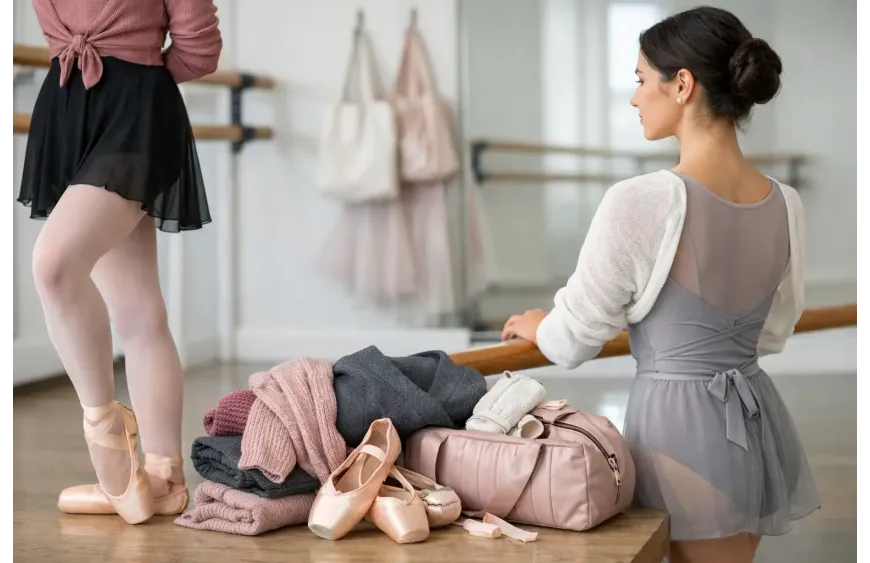
Walking into an adult ballet class in a favorite workout top and loose sweatpants may feel comfortable at first, but it can make alignment, turnout, and footwork harder to see. This adult ballet apparel guide helps you build a class wardrobe that supports movement without making you feel overexposed, overdone, or dressed for someone else’s level.
Adult ballet attire is less about looking identical to everyone at the barre and more about wearing pieces that let you move freely and receive useful corrections. A well-chosen outfit should stay in place through pliés, tendus, port de bras, and floor work while giving your teacher a clear view of your working line.
Start With Your Studio’s Dress Code
Before buying anything, check whether your class has specific requirements. Some adult recreational programs welcome almost any neat, fitted activewear. Others ask for a solid-color leotard, pink or skin-tone tights, and ballet slippers. Open classes may be more flexible, while a workshop, examination, performance, or teaching setting can call for a more polished standard.
If there is no formal dress code, use a simple rule: choose fitted layers that allow full range of motion and do not distract you or your instructor. You do not need a traditional black leotard to belong in ballet class, but oversized T-shirts, baggy pants, and slippery socks can work against the purpose of training.
Adult Ballet Apparel Guide: The Essential Base Layer
For most dancers, a leotard and tights create the most practical foundation. This combination is not just conventional. It stays secure, avoids extra fabric around the hips and knees, and makes it easier to see body placement as you learn.
Choosing a leotard that feels like you
Adult leotards come in a wide range of cuts, including tank, camisole, short sleeve, long sleeve, high neck, wrap-front, and supportive styles with built-in lining or shelf bras. The best neckline is the one you can forget about once class begins. If you prefer more coverage, look for a higher front, wider straps, or sleeves. If you run warm, a camisole or tank style may feel better.
Fit matters more than the size on the tag. A leotard should be smooth across the torso and sit comfortably at the shoulders without pulling or gaping. If it cuts into the shoulders, rides up through the torso, or leaves excess fabric at the waist, try a different size or torso length. Dancers with a longer torso often benefit from brands or styles known for added length rather than sizing up so much that the bust and straps become loose.
A bodysuit designed for dance can also be a useful option, particularly for adults who want a little more coverage through the midsection or prefer a contemporary practice look. Just make sure the fabric has enough stretch for deep pliés and high leg extensions.
Tights, leggings, or fitted shorts?
Footed ballet tights remain a dependable choice because they create a clean line from leg to foot and work well inside ballet slippers. Convertible tights are especially practical for adults taking more than one style of class, since the opening under the foot lets you transition more easily between bare feet, socks, or shoes.
Pink tights are traditional for many ballet programs, but skin-tone options are equally appropriate when permitted by the studio. The goal is an uninterrupted leg line that feels natural on your body. Look for dance tights rather than fashion tights, as dance tights are made to stretch, recover, and withstand repeated movement.
Fitted leggings or capri pants can be a good choice for a casual adult class, especially if they make you more comfortable attending regularly. Choose opaque, flexible styles without thick seams behind the knees. Fitted shorts are another option over tights or a leotard, but keep the length short enough that your instructor can still see hip and knee placement.
Add Layers You Can Remove at the Barre
A studio can feel cool during warm-up and warm quickly once combinations begin. Lightweight layers give you control without turning your outfit into a distraction. A wrap sweater, fitted warm-up top, knit shorts, leg warmers, or a wrap skirt can all work well.
A ballet wrap skirt is popular because it defines the waist and moves with the body without covering the legs. It is optional, not a requirement. Some dancers love the extra confidence it provides; others prefer a clean leotard-and-tights line so they can see their own placement more clearly in the mirror.
Avoid layers with dangling ties, stiff zippers, or bulky hoods. They can interfere with arm movement, catch during turns, or simply become uncomfortable when you start to sweat. Save loose sweatpants and oversized sweaters for the walk to class, then change into pieces that support your training.
Ballet Shoes Are Part of the Apparel Decision
Even a thoughtfully chosen outfit cannot compensate for poorly fitted slippers. Most adult beginners start with leather or canvas ballet slippers, often with a full or split sole. Leather generally offers durability and a little more structure, while canvas is lighter, more streamlined, and easy to pack. Neither is universally better. The right choice depends on your foot shape, floor surface, studio preference, and how you like to feel the floor.
A full sole can provide a traditional feel and clear resistance through the foot. A split sole often highlights the arch and points beautifully, though some beginners find it less structured. In either style, the shoe should fit like a secure second skin. It should not pinch the toes, twist around the foot, or leave loose fabric at the heel.
Ballet slippers are not meant to fit like everyday sneakers. Sizing varies significantly by brand, so use the relevant size chart and, when possible, try them with the tights or socks you will wear in class. Adults returning to ballet after years away should resist assuming their old size still applies. Feet can change with age, activity, and footwear habits.
Pointe shoes are a separate category. They are not simply a more advanced ballet slipper and should never be purchased for independent use. Pointe work requires instructor approval, trained fitting guidance, and the strength and technique to use the shoe safely.
Choose Fabrics for Your Actual Class Routine
The ideal fabric depends on how often you train, how warm your studio runs, and how much time you have between work, commuting, and class. Cotton blends feel soft and familiar but may hold moisture longer. Technical microfiber and performance fabrics tend to dry faster and retain shape well. A blend with generous stretch is usually the most forgiving choice for adult dancers.
If you attend class once a week, two leotards and two pairs of tights can make laundry manageable. If you dance several times a week, having a small rotation prevents you from relying on one favorite piece before it has fully dried. Keep a spare pair of tights in your dance bag. A snag does not need to end your class, but it can be an avoidable annoyance.
Wash dancewear in cool water when possible, avoid harsh fabric softeners, and let delicate tights and leotards air dry. High heat can weaken elastic fibers and shorten the life of garments that need to stretch repeatedly.
Dress for Confidence, Not for Permission
A common concern among adult beginners is whether they look like a real ballet dancer. The answer is not found in a particular neckline, skirt length, or brand label. You are there to train, and apparel should help you do that comfortably and safely.
Choose colors and silhouettes that make you feel ready to stand at the barre. Black is classic, but rich jewel tones, soft neutrals, prints, and matching warm-up pieces can all have a place when your studio permits them. Adults also deserve dancewear that fits a full range of body types, so prioritize garments designed with stretch, support, and inclusive sizing rather than settling for generic fitness clothing that shifts during movement.
For local dancers who would rather confirm fit than guess, Dancewear Champions offers personal shopping guidance in Thornhill, including help matching ballet slippers and apparel to your class needs. Bring your studio requirements, try moving in the garments, and choose the pieces that make the next class easier to say yes to.
Tags ballet leotards, ballet tights, ballet skirts, ballet shoes
Related Products
Ballet Girls Leotard 11
$65.00CAD
Ballet Girls Leotard Dress 09
$30.00CAD

Sale
Boys Leotard 02
$60.00CAD $35.00CAD
Sale
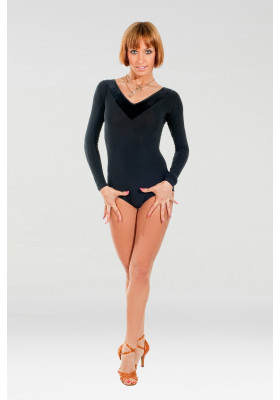
Leotard-09
$135.00CAD $85.00CAD

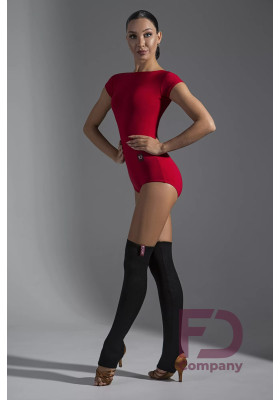
Leg warmers - 01
$35.00CAD