


- 10 November, 2026
- 9
- 0
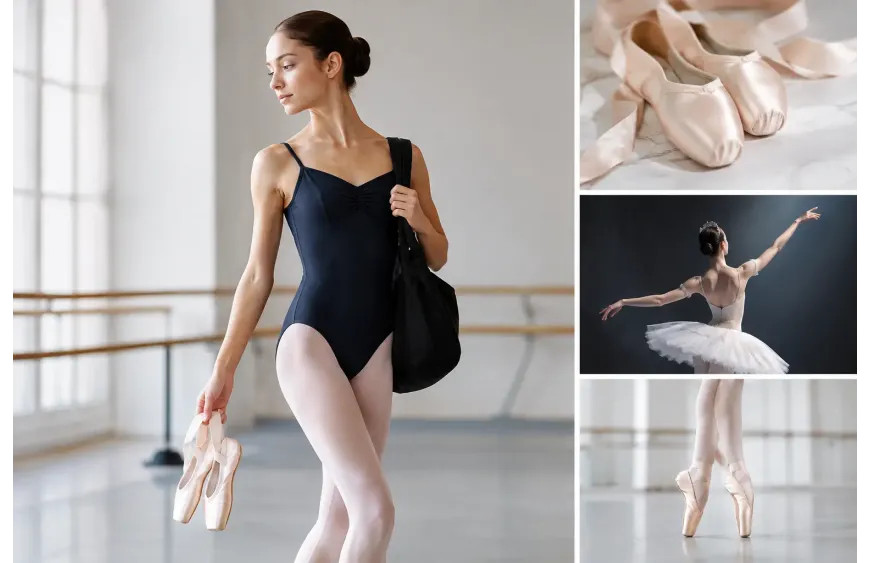
The best ballet fashion does not ask a dancer to choose between looking polished and moving freely. At the barre, every seam, strap, waistband, and layer has a job to do. A leotard should stay in place through port de bras. Tights should allow a full plié without slipping. Warm-up pieces should keep muscles comfortable without hiding alignment from a teacher.
That is why ballet style has such staying power. Its clean lines can look simple from a distance, but the right outfit is built around discipline, comfort, and the quiet confidence of feeling prepared for class. Whether you are shopping for a young beginner, returning to ballet as an adult, or selecting rehearsal pieces for serious training, start with function and let personal style follow.
What Defines Ballet Fashion?
Ballet fashion is recognizable for its refined silhouette: fitted tops, smooth tights, ballet slippers, wrap layers, and skirts that move with the body. Traditionally, classwear is designed to make posture and placement easy to see. This helps instructors spot alignment at the shoulders, ribs, hips, knees, and feet.
That does not mean every dancer has to wear the same thing. Many studios set specific dress codes, especially for children’s classes, examinations, and performances. A pink leotard and tights may be required for one level, while an older teen or adult class may allow a broader range of colors, necklines, skirts, and warm-up styles. The first rule is always to check the studio’s requirements before buying.
Outside a strict uniform, ballet style gives dancers room to choose pieces that suit their comfort and personality. A classic black camisole leotard is a reliable foundation. A high-neck style can offer more coverage, while a low-back leotard creates a more open line. Long-sleeve options can be especially useful in cooler studios or during warm-up.
Start With the Leotard
The leotard is the center of a ballet wardrobe. It needs to fit closely enough that it does not shift during movement, yet it should never feel restrictive at the shoulders, chest, hips, or legs. A dancer should be able to raise both arms, bend, extend, and sit in a deep plié without pulling at the fabric.
Fabric makes a meaningful difference. Cotton blends feel soft and familiar, making them a practical choice for young dancers and regular class use. Microfiber and performance blends tend to offer a sleeker feel, strong shape retention, and effective moisture management during demanding rehearsals. Mesh panels, lace details, and subtle back designs can add interest, but they should not create rubbing or require constant adjustment.
Fit is more important than the number on a tag. A leotard that is too short through the torso can dig into the shoulders and legs. One that is too loose may bunch at the waist or leave a dancer distracted by coverage. Dancers between sizes often need to consider torso length, not simply their usual street-clothing size. For growing children, some room is sensible, but sizing up too far can interfere with clean lines and comfortable movement.
Choosing straps and necklines
Camisole straps are a ballet-class staple because they create a clean shoulder line and work well under wrap sweaters or warm-up jackets. Tank straps offer a little more coverage and can feel more secure for dancers who prefer it. Long sleeves are useful for warmth, though they may be less comfortable in a hot studio.
Neckline choice is personal, provided it meets studio rules. Scoop, V-neck, boat neck, and higher necklines each create a different look. The best option is the one that stays flat against the body through movement and gives the dancer confidence to focus on technique.
Tights, Skirts, and Bottom Layers
Ballet tights are not an afterthought. They create an uninterrupted leg line and should be comfortable from the first tendu to the final reverence. Convertible tights are popular because the opening under the foot makes it easier to transition between bare feet, slippers, and pointe shoes. Footed tights offer a traditional appearance, while stirrup tights leave the heel and toes exposed for dancers who prefer more contact with the floor.
For class, tights should be opaque enough to feel secure and flexible enough to move naturally. They also need to be durable. A spare pair in the dance bag is a smart habit for dancers of every age, especially before rehearsals, auditions, and performances.
A pull-on or wrap skirt can bring softness and movement to a ballet outfit without getting in the way. Wrap skirts are adjustable and easy to remove as class warms up. Pull-on skirts are quick, neat, and especially practical for younger dancers. Length matters: a skirt should complement the line of the body, not conceal it or catch under the hands during turns.
For adult dancers, fitted shorts, dance briefs, or leggings may be appropriate for certain classes and rehearsals if the studio allows them. These can feel more comfortable during colder months, but they should still allow an instructor to see the knees and hip placement clearly. Loose sweatpants are excellent for warming up, yet they are usually best removed once technical work begins.
Ballet Fashion Needs the Right Shoes
A polished class outfit is incomplete without properly fitted ballet slippers. Leather and canvas slippers each have a place. Leather generally offers structure and durability, while canvas is lightweight, flexible, and often favored for its close-to-the-foot appearance. The right choice depends on studio preference, foot shape, training level, and how the dancer likes the shoe to feel.
The fit should be snug but not painful. There should be no large gaps at the toes or sides, and the heel should stay in place when the dancer points and flexes. A shoe that is too big can make it harder to articulate the foot and may slide on the floor. One that is too small can compress the toes and limit movement.
Elastic placement also matters. Some slippers arrive with elastics attached, while others allow the dancer to sew them in a position that feels secure. Beginners often benefit from guidance when choosing their first pair. For local families, a personal fitting at Dancewear Champions in Thornhill can take the guesswork out of slipper fit and sizing.
Pointe shoes are a separate category entirely. They should only be selected when a qualified teacher has confirmed that a dancer is ready, and they require a specialized fitting. They are not a fashion accessory or a standard next step based on age alone.
Warm-Up Wear Is Part of the Look
Studios can feel chilly at the beginning of class, particularly in Canada through fall and winter. Warm-up wear helps dancers arrive ready to move without rushing cold muscles into deep stretches or jumps. The key is choosing layers that are easy to remove and do not restrict the body.
A wrap sweater is a ballet classic for good reason. It provides warmth across the shoulders and torso, ties securely, and can be taken off quickly. Knit shorts, leg warmers, fitted warm-up pants, and lightweight jackets are also useful choices. Dancers who spend long days moving between school, work, and the studio may appreciate pieces that look tidy enough for travel while still serving a training purpose.
There is a balance to keep in mind. Too many bulky layers can make a dancer feel overheated or prevent a teacher from seeing placement. Use warm-ups for preparation, breaks, and cool-down, then adjust as the room and activity level change.
Building a Ballet Wardrobe That Works
A practical ballet wardrobe does not need to be large. It needs to be dependable. For regular classes, most dancers benefit from several leotards so laundry does not become a last-minute problem, multiple pairs of tights, correctly fitted slippers, and at least one versatile warm-up layer. Add a skirt if it suits the studio dress code and the dancer enjoys wearing one.
For children, prioritize comfort, easy care, and studio-approved colors. For adult beginners, a simple leotard, tights, and slippers are often enough to start with confidence. More experienced dancers may want different leotard cuts, rehearsal layers, and backup items for intensive training. Performancewear should be treated separately from everyday classwear whenever possible, since stage pieces often need specific colors, finishes, and care.
Keep everything together in a dedicated dance bag: slippers, tights, hair ties, bobby pins, a small sewing kit if needed, water, and a spare layer. Clean, ready-to-wear gear makes it easier to walk into class focused and prepared.
Ballet style is at its best when it supports the work behind it. Choose pieces that fit well, follow your studio’s expectations, and make you feel ready to stand taller at the barre. The rest is practice.
Tags Ballet Fashion, Ballet leotards, Ballet skirts, Ballet tights, Ballet shoes, and Ballet warm-ups
Related Products
Ballet Pointe Shoes
$75.00CAD

Sale
Boys Leotard 02
$60.00CAD $35.00CAD

Sale
Silicon Toe Pads
$25.00CAD $20.00CAD
