

- 01 September, 2026
- 6
- 0
A pair of tights can look like the simplest item in a dancer’s bag until a waistband rolls during pliés, the fabric turns sheer under stage lights, or the feet bunch inside dance shoes. The best dance tights feel secure, move quietly with the body, and suit the class, rehearsal, or performance in front of you. For young dancers especially, the right pair also makes getting dressed for class faster and more comfortable.
Tights are most closely associated with ballet, but they also support gymnasts, musical theater performers, ballroom and Latin dancers creating a polished costume look, and dancers who need smooth coverage for showcases. The best choice depends on the required dress code, shoe style, activity level, and how much durability matters for your schedule.
What Makes the Best Dance Tights?
Dance tights are made for movement rather than everyday wear. They should stretch evenly through the hip, knee, ankle, and foot without becoming baggy or restrictive. A proper fit allows a teacher or coach to see leg placement clearly, which is especially helpful in ballet technique and youth training.
Look first at the fabric blend. Most quality dance tights combine nylon or microfiber with spandex. Nylon is lightweight and smooth, while microfiber generally feels softer and offers more opaque coverage. Spandex provides recovery, meaning the tights return to shape after extensions, squats, jumps, and repeated washes.
Opacity is another practical detail. Sheer tights can be appropriate for certain formal looks, but many dancers prefer semi-opaque or opaque styles for class and performance. They provide a more consistent leg line and are often more forgiving under bright studio or stage lighting. For children’s classes, opaque pink, tan, or black tights are frequently the most dependable everyday option.
A comfortable waistband matters as much as the fabric. It should sit flat at the natural waist without cutting in or rolling down. This is particularly valuable during floor work, deep stretches, and long rehearsals. If a dancer is between sizes, it is often wiser to prioritize enough length through the torso and legs rather than choosing a pair that feels overly tight at the waist.
Choose a Foot Style for Your Dance Shoes
The right foot construction affects both comfort and how easily dancers can change shoes. There is no single best option for every discipline.
Footed tights
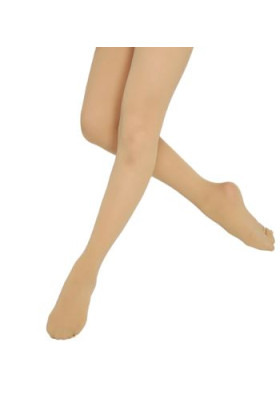
Footed tights cover the entire foot and are a classic choice for ballet class, examinations, recitals, and many children’s uniform requirements. They create one uninterrupted line from the leg to the toes and work neatly with ballet slippers. A well-fitted footed style should have enough length that the toe area does not pull, while avoiding excess material at the heel.
For dancers wearing closed-toe ballroom or standard shoes, footed tights can also create a refined, even appearance when the costume calls for leg coverage. Check that the tights are smooth inside the shoe and do not create friction at the toes.
Convertible tights
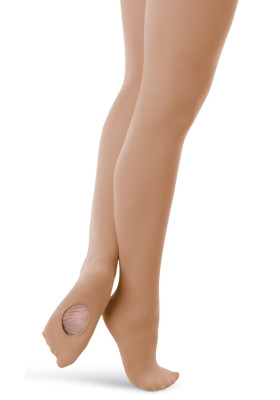
Convertible tights have an opening under the arch of the foot. This lets a dancer move quickly from a footed look to a bare foot, which is useful when alternating between ballet shoes, pointe shoes, and contemporary work. They are a popular choice for intermediate and advanced ballet students who spend long days moving between classes or rehearsals.
The opening should sit comfortably under the arch without twisting. A convertible style is practical, but dancers who only wear slippers for a short weekly class may prefer the simpler feel of standard footed tights.
Stirrup tights
Stirrup tights loop around the arch and leave the heel and toes uncovered. They are useful for jazz, modern, conditioning, and some stage costumes where a clean leg line is wanted without fabric inside the shoe. They can also work well with certain dance sandals or open-toe Latin shoes, depending on the costume and the desired finish.
Because the sole is exposed, stirrup tights are not the same as a full-footed option. They are best selected for the demands of the choreography rather than as a general replacement for ballet tights.
Footless tights
Footless styles end at the ankle, making them a versatile choice for warm-up, jazz, hip-hop, acro, and rehearsal wear. They are also helpful for dancers who prefer bare feet, socks, or a particular shoe without extra fabric at the foot. In ballroom and Latin practice, footless tights may be worn under skirts, dresses, or longer practice pants when modest coverage and mobility are the priority.
Match Color to the Dress Code and Performance Look
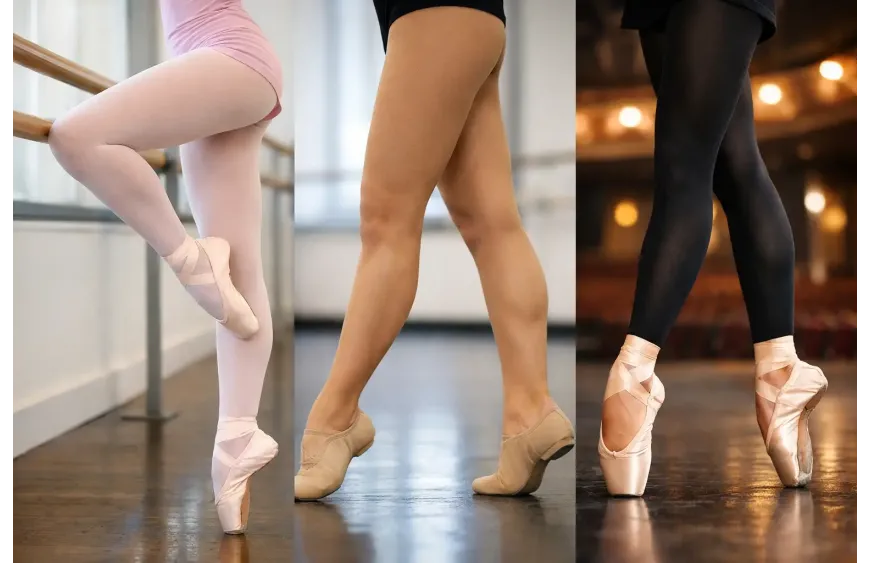
Color is not merely cosmetic in dancewear. In ballet, pink tights are often required for younger dancers and traditional class settings because they create a continuous line with pink ballet slippers. Some schools specify a particular shade, so it is worth confirming the dress code before purchasing several pairs.
Theatrical pink, light tan, medium tan, and darker skin-tone options can each serve a purpose. Dancers should be able to choose shades that complement their skin tone and support the intended visual line onstage. Inclusive color selection matters, especially when tights are part of a uniform or costume that every dancer needs to wear with confidence.
Black tights are common for jazz, contemporary, modern, and adult practice wear. They can be easier to maintain during frequent rehearsals and pair naturally with black leotards, skirts, shorts, or teaching attire. For ballroom or Latin costumes, sheer tan or skin-tone tights are often selected to enhance the leg line, while a more opaque finish may better suit a stylized costume or colder venue.
If a studio has strict requirements, follow those first. For a performance, check the costume plan and stage lighting before assuming that the tights used in class will give the same result under spotlights.
Getting the Fit Right for Children and Adults
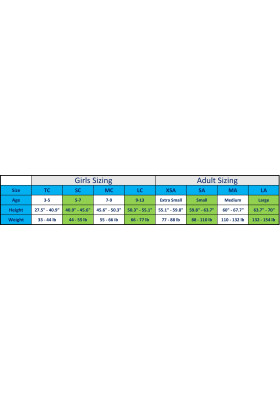
Tight sizing is based on more than age. Height and weight ranges offer a starting point, but torso length, leg length, and individual comfort are equally important. A tall, slim child may need a different size than their age suggests, while an adult dancer may need extra length without wanting a loose fit around the ankles.
Tights that are too small can pull at the shoulders when worn with a leotard, press into the waistband, and strain at the knees. They may also become more transparent when stretched. Tights that are too large can sag at the ankles, bunch in ballet slippers, and distract from clean lines.
For a first pair, take a moment to compare measurements with the brand’s size chart. When trying them on, have the dancer raise a knee, squat gently, point and flex the feet, and lift the arms overhead. The tights should remain in place without pinching or leaving obvious slack.
Parents often find it useful to keep more than one pair ready for weekly classes. A spare pair prevents a rushed laundry day or a small snag from becoming a problem before class. For recital season, keep performance tights separate from everyday training pairs whenever possible. This preserves a fresh, even finish for photographs and stage appearances.
Care That Helps Tights Last Longer
Even premium dance tights are delicate, but careful handling extends their life. Wash them after wear in cool water with similar colors, ideally inside a mesh wash bag. Avoid rough items with zippers, hooks, or Velcro that can catch the knit.
Air drying is the safer choice. High heat can weaken elastic fibers over time, reducing the stretch and recovery that make tights fit well. Before putting them on, remove rings or sharp jewelry, and gather the tights gradually from the waistband down rather than pulling hard from the toes.
Small snags happen, particularly during busy rehearsal periods. A tiny run does not always mean the pair must be retired immediately, but it is wise to keep a clean backup pair for performances. A dancer should never have to choose between joining class and worrying about a visible hole.
When Personal Fit Guidance Helps
A size chart is useful, yet some situations benefit from personal advice: a first ballet uniform, a child between sizes, a dancer changing rapidly during a growth spurt, or a costume needing a particular leg finish. Dancewear Champions can help Toronto and GTA dancers compare styles and fit in person, so families can leave with tights that work with their shoes, class requirements, and movement needs.
The best pair is the one a dancer stops noticing once class begins. When the waistband stays put, the fabric supports every stretch, and the color works with the full look, attention can return to the music, the technique, and the joy of moving.
Tags Best Dance Tights, Footed Dance tights, Convertible Dance tights, Footed tights, Convertible tights, Footed ballet tights, Convertible ballet tights,
Related Products
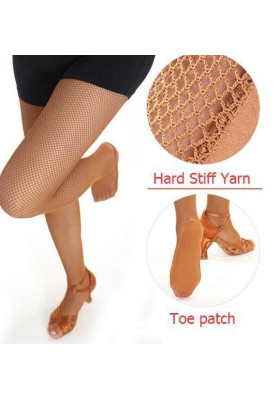
Latin Fishnet Tights
$50.00CAD