

- 23 August, 2026
- 42
- 0
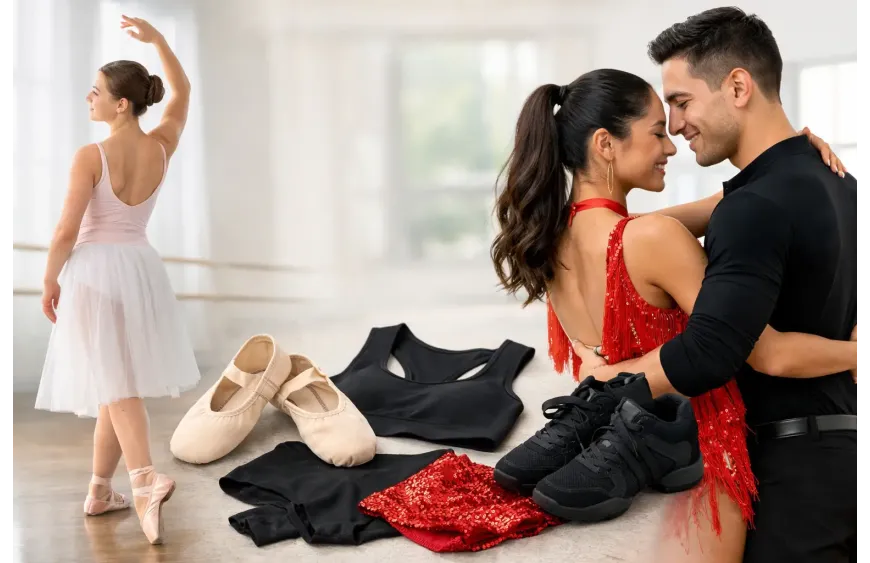
A dance outfit can look beautiful on the hanger and still be the wrong choice the moment you start a natural turn, Latin walk, grand plié, or full-out rehearsal. The best dance clothes and dance outfits Canada dancers choose are not just about style. They support movement, suit the discipline, fit the dancer’s body comfortably, and help create the right impression in class, at a social, or under competition lights.
For dancers and families, the easiest way to shop is to begin with the occasion. Practice clothing, social dancewear, teaching pieces, and a performance competition outfit each have different jobs to do. Once that is clear, choosing fabric, fit, footwear, and accessories becomes far less overwhelming.
Choose Dance Clothes for What You Actually Do
A beginner taking one weekly ballroom class does not need the same wardrobe as a competitive Latin dancer preparing for a major event. Likewise, a ballet student needs garments that let an instructor see alignment, while a dance teacher may need polished, durable pieces that hold up through hours on the floor.
For regular practice, prioritize comfort and clean movement. Fitted tops, bodysuits, dance skirts, leggings, dance pants, and breathable layers are dependable choices because they stay in place and allow a partner, teacher, or coach to see your lines. Clothing that is extremely loose can hide body position. Clothing that is too tight can distract from technique and make simple movements feel restricted.
Adult dance clothes should feel grown-up and functional without becoming overly formal. A well-cut practice dress or skirt can make ballroom and Latin training feel more polished, while a supportive top and comfortable pants can be ideal for a long group class, private lesson, or social evening. For men, properly fitting dance shirts and trousers create a neat silhouette while allowing easy rotation through the torso and comfortable leg action.
Children and youth dancers have another consideration: room to grow. A garment should not be so oversized that it twists, slips, or interferes with movement, but parents should also consider how often the dancer trains and how quickly they may need the next size. A clear size chart and informed fit guidance can prevent the frustrating cycle of buying, returning, and replacing clothing before it has had enough wear.
Dance Outfits Canada Dancers Need for Practice and Socials
Practice wear is where most dancers build their wardrobe first. It gets worn repeatedly, washed often, and needs to feel good through drills, rounds, and partner work. Look for stretch fabrics with recovery, meaning the garment returns to shape after movement rather than becoming baggy by the end of class. Secure straps, comfortable waistbands, and linings where needed also make a noticeable difference.
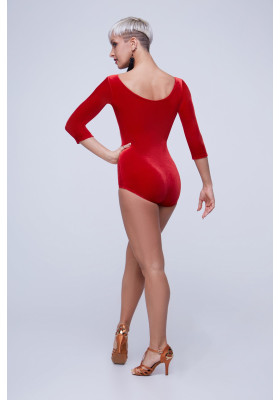
For ballroom and smooth dancers, practice skirts and dresses should allow enough length and fullness to show movement without catching under the heel. For Latin, salsa, and bachata, fitted dresses, skirts with movement, bodysuits, and coordinated separates can help dancers feel expressive while keeping the body line visible. Fringe, mesh, open backs, and decorative details can be fun for a social or showcase, but they should never compromise support or freedom of motion.
A social dance outfit can sit between casual practice wear and a formal costume. This is the place for personality: a flattering skirt, a bright top, a sleek dance dress, or a polished men’s shirt. The practical test is simple. Can you raise your arms, rotate, step backward, and dance for several hours without adjusting the garment every few minutes? If not, save it for an occasion with less movement.
When searching for a dancewear centre Canada shoppers can rely on, breadth matters. Different classes, bodies, and dance styles call for different solutions. A specialty danceshop should make it easier to find dancewear for women, men, children, and plus-size dancers, rather than asking every dancer to settle for a generic athletic outfit.
How to Build a Performance Competition Outfit
A performance competition outfit has one purpose: help the dancer look confident, finished, and appropriate for the floor while allowing full technical movement. It should enhance performance, not become another problem to manage.
Start with the rules for the event. DanceSport competitions, studio showcases, school performances, and themed events may have different guidelines on age-appropriate styling, embellishment, color, grooming, and costume details. Juvenile dancers, for example, may have more specific requirements than adults. Always confirm the dress code before choosing a garment based solely on a photo.
Next, match the outfit to the dance. A standard ballroom gown is designed to create sweeping movement and an elegant frame. It may include floats, skirts, or details that emphasize rise and fall. Latin costumes are generally more fitted and energetic, often using stones, fringe, mesh, or asymmetrical design to highlight rhythm and sharp movement. American smooth and rhythm outfits can overlap with these categories, but the best choice depends on the choreography, music, and competition expectations.
Fit is especially critical for costumes. A costume that shifts at the neckline, rides up during turns, or catches during a spin can take attention away from the dancer. Check the fit while moving, not just while standing in front of a mirror. Practice arms overhead, lunges, twists, spins, and the specific figures you will perform. If a garment needs fashion tape, alterations, or a different underlayer to stay secure, address that well before the event.
Accessories should support the look rather than compete with it. Hair accessories, jewelry, dance hosiery, and costume details can add polish, but too many competing elements can make an outfit feel busy. Choose one visual focus, such as a dramatic skirt, rich color, or sparkling detail, then keep the rest intentional.
The Right Dance Shoes Complete the Outfit
Dance shoes are not a finishing touch. They are performance equipment. The wrong shoe can affect balance, confidence, footwork, and even how long you can comfortably stay on the floor.
Ballroom, Latin, American smooth, social dance, teaching, practice, and youth shoes are built for different needs. Latin shoes often offer flexibility and a closer connection to the floor for pointed feet and precise articulation. Standard ballroom shoes generally provide more structure and stability for traveling patterns. Social shoes may prioritize comfort and versatility, while practice shoes can be useful for longer training sessions when dancers want more support than a competition shoe provides.
Heel height is a personal and technical decision, not a measure of how serious a dancer is. A higher heel may create a particular line, but it also changes balance and pressure through the foot. Beginners and social dancers often benefit from a stable, manageable heel. Experienced dancers may choose a different height based on their training, style, and comfort. The best shoe is the one that fits securely, supports your dancing, and lets you concentrate on technique.
For a first fitting, wear the type of hosiery you expect to use when dancing. Dance shoes should feel secure without painful pressure, and they should not slide at the heel. Because materials and styles fit differently, personal guidance can be valuable, especially for dancers deciding between width options, heel heights, or shoe categories.
Shop by Fit, Not by the Tag
Dancewear sizing is not always the same as everyday clothing sizing. Fabric stretch, torso length, bust support, shoulder width, and the cut of a particular brand can all affect the best fit. That is why measurements are more useful than relying on the size you usually buy elsewhere.
Take current measurements before ordering, especially for bodysuits, fitted dresses, trousers, and costumes. If you are between sizes, think about the garment’s intended use. A close-fitting Latin dress may need a different choice than a relaxed warm-up layer. For younger dancers, consider whether the garment is needed for an immediate performance or for a full season of classes.
Dancewear Champions brings together ballroom, Latin, ballet, gymnastics, warm-up wear, costumes, accessories, and specialized shoes in one Canadian destination. Online shoppers can use sizing resources and detailed categories, while dancers in the Toronto and GTA area can benefit from personal, in-person fit guidance in Thornhill. That combination matters when a dancer needs more than a nice-looking outfit - they need clothing and shoes that work together on the floor.
Build your dance wardrobe around the moments you dance most often, then add specialized pieces as your training, events, and confidence grow. The right clothes should make you feel prepared before the music starts and free to focus once it does.
Tags dance clothes, dance outfits Canada, performance competition outfit, adult dance clothes, dancewear centre Canada, danceshop, i love dance shop