


- 27 October, 2026
- 2
- 0
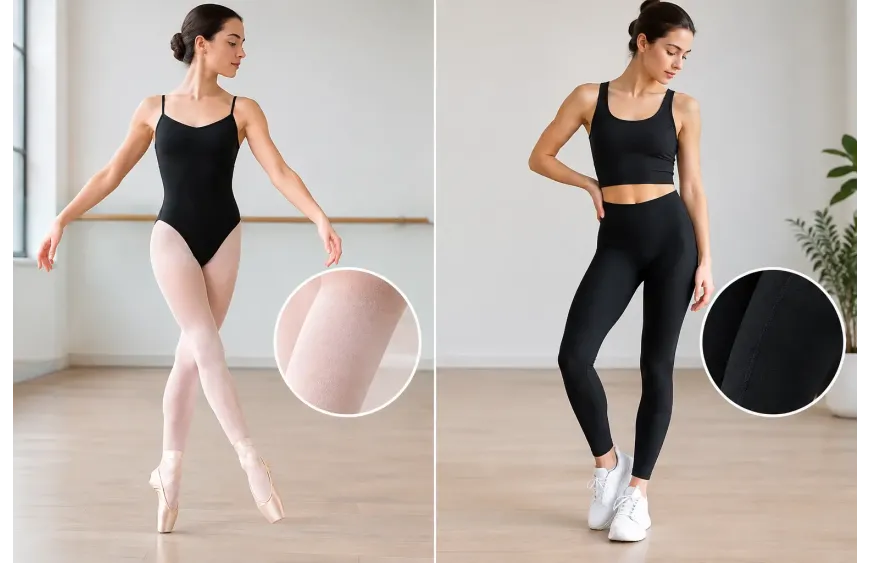
A black pair may look similar from across the studio, but dance tights versus leggings is not a small wardrobe decision. The right choice affects your line, the way an instructor sees your movement, how comfortable you feel through spins and stretches, and whether your outfit suits the class, rehearsal, social floor, or competition setting.
For many dancers, the answer is not either-or. Tights and leggings serve different jobs, and a well-planned dance wardrobe often includes both. The key is choosing based on the dance style, the amount of coverage you want, the footwear you will wear, and the level of polish the occasion requires.
Dance tights versus leggings: the practical difference
Dance tights are close-fitting legwear made to create a smooth, continuous line from the waist through the feet or ankles. They are commonly worn with leotards, skirts, dresses, tunics, and costumes. Depending on the style, they may be footed, convertible, stirrup, footless, or fishnet. Their fabric is typically lightweight but resilient, with stretch that supports movement without adding bulk.
Leggings are opaque pants that end at the ankle, calf, or below the knee. They usually offer more coverage and a slightly more substantial feel than tights. A dance legging may be made from performance stretch fabric, while a fashion legging may prioritize casual comfort instead. That distinction matters: leggings intended for dance are more likely to stay in place, recover their shape, and move cleanly through lunges, kicks, and turns.
The visual difference is just as useful as the technical one. Tights make the leg look uninterrupted, especially when matched to the shoe or worn under a costume. Leggings create a more casual, grounded look. Neither is automatically more flattering. The best option is the one that lets you move confidently while fitting the expectation of your dance setting.
When dance tights make the most sense
Tights are often the natural choice when clean leg lines are part of the presentation. In ballet, they allow teachers to see knee tracking, turnout, extension, and muscle placement clearly. For children in a ballet class with a set dress code, pink or skin-tone tights may be required alongside a leotard and ballet slippers.
They also work beautifully under dresses and skirts for ballroom, Latin, and performance wear. A sheer or semi-opaque tight can give a polished finish while offering more coverage than bare legs. For a showcase, a dress rehearsal, or a competition costume, this can help the entire look feel intentional from the waist down.
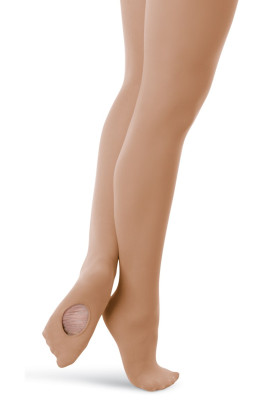
Footed tights are especially useful when the shoe is part of a coordinated stage look or when a dancer wants uninterrupted coverage at the ankle. Convertible tights offer more flexibility. Their opening under the foot allows a dancer to shift between a covered foot and a bare foot without changing garments, which is useful for ballet training and some rehearsal situations. Stirrup tights leave the heel and ball of the foot open while keeping the leg line covered.
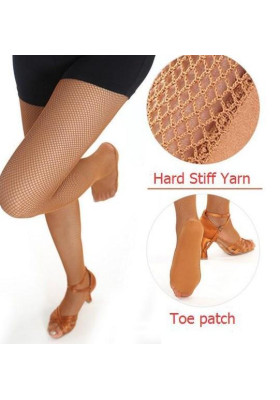
For Latin and ballroom dancers, the right tight also depends on the shoe and costume. Skin-tone styles can create a long, elegant leg under a Latin dress, while fishnet tights are a familiar performance option for certain looks. Choose a dance-specific pair with a comfortable waistband and enough stretch for hip action, lunges, and quick directional changes. Avoid a tight that is overly shiny, restrictive at the hip, or prone to rolling at the waist.
When leggings are the better choice
Leggings excel in practice, warm-up, teaching, and social dance settings where comfort and coverage take priority over a formal costume line. They are particularly useful for dancers who prefer not to wear a skirt or dress to class, want more coverage around the upper thigh, or are coming to the studio from work, school, or errands.
For ballroom and Latin practice, fitted leggings pair easily with a dance top, bodysuit, tunic, or practice skirt. They allow an instructor or partner to see enough of the leg action while keeping you comfortable through a long lesson. A high-rise waistband can feel secure during turns and bends, while a smooth waistband is helpful under longer tops.
Leggings are also a smart layer before class. Worn over shorts, tights, or a leotard, they help keep muscles warm during travel and the first part of a rehearsal. Once your body is warm, you can remove them if you need a more visible leg line for corrections. This is especially practical in Canadian winter weather, when arriving at the studio in light tights alone may not be comfortable.
For adult social dancing, leggings can be completely appropriate when the venue and your outfit are casual. Pair them with a top that stays put when you raise your arms and dance shoes that support the style you are doing. If the event is dressier, a dance skirt, trousers, or a more formal dress may be a better fit.
Fit and fabric matter more than the label
A garment called a tight or legging is only useful if it performs well in motion. Start with the waistband. It should sit securely without pinching, digging in, folding over, or sliding down when you squat, stretch, and rotate your torso. A waistband that feels fine while standing can become distracting halfway through a lesson.
Next, check opacity. Leggings should remain opaque when you bend, lunge, or move under studio lighting. Tights may be intentionally sheer, but they should still provide even coverage without becoming noticeably lighter at the knees, seat, or thighs when stretched. For children, durability and reliable coverage are often as important as appearance.
Pay attention to seams as well. Flat, well-placed seams reduce rubbing and are less visible under fitted dancewear. A gusset can improve comfort and range of motion. If you will wear a skirt, dress, or costume over your legwear, try the pieces together before the event. A waistband or seam that shows under a costume can interrupt an otherwise polished look.
Fabric content affects the experience too. Stretch fibers help the garment return to shape after repeated wear, while soft microfiber-style fabrics can feel smooth against the skin. Fishnets need enough recovery to stay in place without feeling restrictive. Cotton-rich leggings may be comfortable for light practice, but performance fabrics often manage movement and repeated washing better.
Choose for your dance style and purpose
Ballet students generally benefit from tights when class attire calls for a traditional line and clear visibility of technique. Footless or convertible options can work well for contemporary classes, conditioning, and transitions between styles. If you are buying for a young dancer, confirm the school’s color and style requirements before choosing.
Ballroom and American smooth dancers often choose based on the outfit. Tights can complement a dress, skirt, or showcase costume, while leggings are excellent for private lessons and Teaching / Practice wear. Because smooth dancing features long lines, select legwear that lets you extend fully without fabric bunching behind the knee or at the ankle.
Latin, salsa, and bachata dancers may want different options for different settings. Leggings offer practical coverage for classes and socials. Tights, including performance fishnets where appropriate, can suit a dressier presentation. Since these styles involve pronounced hip movement and fast weight changes, prioritize a secure fit that stays comfortable through the full range of motion.
For gymnastics and general dance conditioning, footless tights or leggings are often the more convenient choice. They leave the foot free when needed and can provide comfortable coverage for floor work. Again, the best choice depends on the facility’s dress code and the activities planned that day.
Common buying mistakes to avoid
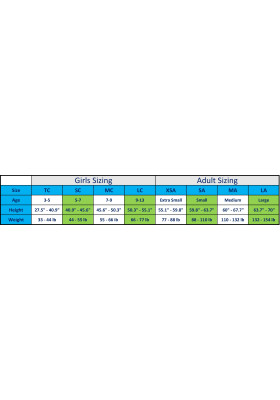
Do not size down in hopes of a more sculpted look. Legwear that is too small can become sheer, strain at seams, restrict movement, and wear out quickly. Use the size chart, and when you are between sizes, consider your height, hip measurement, and the amount of stretch in the fabric rather than relying only on your usual street-clothing size.
Also avoid treating all black leggings as dancewear. Some casual pairs become transparent under bright lights, trap heat, slide during movement, or have pockets and thick seams that do not sit well under a practice skirt. A purpose-made dance option is usually the more dependable choice for frequent classes.
Finally, consider footwear before committing to a style. Footed tights can be ideal with ballet slippers and some costume shoes, but may not suit every open-toe Latin sandal. Bare feet, socks, dance sneakers, character shoes, and ballroom shoes each create different needs at the ankle and foot.
If you are choosing between two styles, try the movement test at home: plié or squat, lunge, lift your knee, extend the leg, turn, and raise both arms. The right pair should let you forget about your clothing and focus on the music, your partner, and the next step. For help matching tights or leggings to a costume, class, or practice outfit, Dancewear Champions can provide the knowledgeable fit guidance that makes the decision simpler.
Tags tights, Dance tights, Dance tights versus leggings, Dance leggings,
Related Products
Latin Fishnet Tights
$50.00CAD

leggings-01
$65.00CAD

Leggings-03
$25.00CAD

Leggings-06
$200.00CAD

Leggings-04
$220.00CAD