


- 11 November, 2026
- 11
- 0
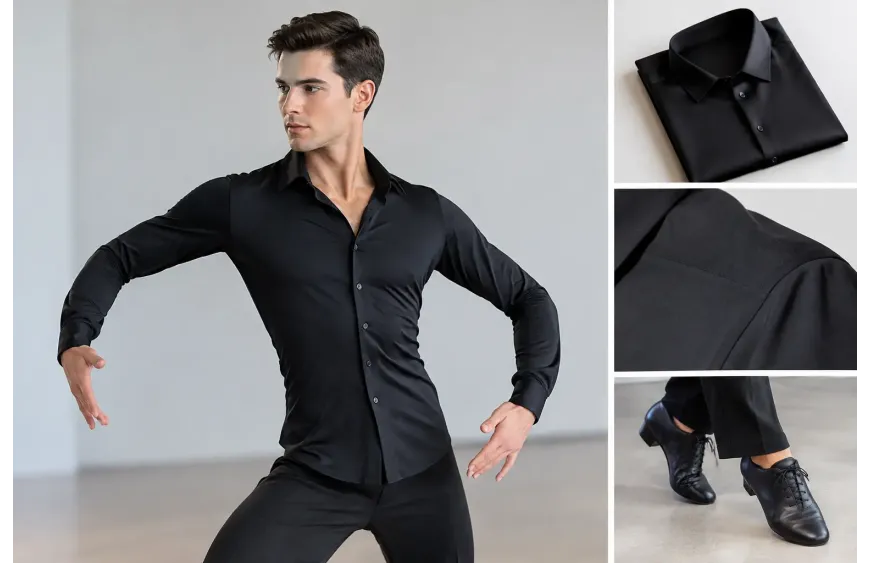
A shirt can look sharp in the mirror and still become a distraction the moment a lead begins. A collar that shifts, sleeves that catch at the shoulders, or fabric that holds heat can pull attention away from timing, connection, and posture. This men's dance shirt review focuses on what separates a genuinely dance-ready shirt from an ordinary dress shirt that only looks the part.
For ballroom, Latin, salsa, bachata, social dancing, teaching, and competition, the right choice depends on where and how you dance. There is no single best shirt for every dancer. A smooth competitor needs a different silhouette from a Latin dancer, while a newcomer attending weekly lessons may value easy care and comfort above a stage-ready finish.
What a Good Men's Dance Shirt Should Do
A dance shirt has two jobs at once: it needs to present a clean line and move without resistance. The balance matters. A shirt that is too loose can billow during turns and obscure the body line. One that is too fitted can pull across the back or chest when you take frame.
The most successful styles allow movement through the upper back, shoulders, and arms without looking oversized through the waist. That is especially noticeable in ballroom hold. Raise your arms into position, rotate through the torso, and test a few full reaches. If the shirt rides up, strains at the buttons, or restricts your shoulder blades, it is not the right fit for dancing, even if the measurements look correct on paper.
A well-chosen dance shirt should also stay composed after an hour on the floor. It should resist excessive wrinkling, sit neatly under a vest or jacket when needed, and recover its shape after stretches, spins, and repeated arm movements.
Men's Dance Shirt Review: Fabric Makes the Difference
Fabric is usually the first thing a dancer feels and the last thing they think about once the music starts. For practice and social events, lightweight stretch fabrics are often the most forgiving choice. A blend with controlled stretch supports movement while keeping a polished profile. It is particularly helpful for dancers who want room through the chest and shoulders without sizing up through the body.
Breathability matters in every category, but especially in Latin, salsa, and bachata, where the pace and body action can generate real heat. A fabric that feels smooth and light against the skin is often preferable to a heavier traditional shirting material. Moisture management and quick drying can make a practical difference when a dance night includes several classes or rounds.
That said, more stretch is not automatically better. Very soft, highly elastic fabric can lose its crisp line, especially under bright lighting or in a formal ballroom setting. For standard ballroom or American smooth, many dancers prefer a shirt with more structure at the collar, placket, and cuffs. It reads cleaner from a distance and supports the tailored appearance associated with those styles.
Practice Shirts
A practice shirt should be easy to wear repeatedly. Look for soft fabric, reliable stretch, simple care, and a cut that lets you work on frame without thinking about your clothing. Black, deep navy, charcoal, and other dark neutrals are practical choices because they pair easily with dance pants and do not demand a full costume approach for an ordinary lesson.
A knit or stretch-woven shirt can be a strong option here. The trade-off is that a casual-looking knit may not offer the formal finish required for a showcase or competition. That is not a flaw. It simply means practice wear and performance wear do not always need to be the same garment.
Latin and Rhythm Shirts
Latin and rhythm shirts can be more fitted, more expressive, and more flexible in finish. The best designs still respect movement. A close silhouette can highlight body action, but it should not flatten the chest, pinch at the underarm, or pull open at the front during a turn.
Details such as a shaped collar, subtle sheen, mesh panels, or decorative trim can add presence under lights. Consider the event before choosing them. For a social venue, a refined stretch shirt often feels more versatile than a heavily embellished style. For a performance or competition, the costume requirements and your partner's look may call for a more deliberate statement.
Ballroom and Smooth Shirts
For ballroom and smooth, clean construction is usually more persuasive than extra detail. A well-fitting dress shirt, formal dance shirt, or shirt designed to sit neatly beneath a vest, tailcoat, or jacket helps create an uninterrupted line through the torso and arms.
Pay close attention to collar height and cuff fit. The collar should stay tidy without feeling tight at the neck, while cuffs should not interfere with wrist action or sit so loosely that they distract from the hand line. If you plan to wear a jacket, try the full outfit together. A shirt that fits well alone can bunch at the shoulders or sleeves once layered.
Fit Checks Before You Commit
Sizing labels are useful starting points, not final answers. Body proportions vary widely, and male dancers often need to account for developed shoulders, a broad chest, a narrow waist, or longer arms. Use the garment's size chart, then assess fit through dance-specific movement rather than standing still.
First, button the shirt completely and take your normal dance posture. The neck should feel secure but comfortable. Next, extend both arms forward, raise them to a ballroom frame, and reach overhead. Watch for strain across the upper back, pulling at the buttons, or sleeves that climb too far toward the forearm.
Then turn your torso in each direction and simulate a few leads. The shirt should move with you rather than twist around you. Finally, look at the hem. A shirt intended to be worn tucked in needs enough length to stay put through rotation and arm movement. If it repeatedly comes untucked during a few simple tests, it will be frustrating on the floor.
Fit is also about appearance. Excess fabric around the midsection can make posture look less defined, while an overly tight shirt can emphasize tension. The ideal is a controlled shape that allows you to breathe and move naturally.
Choosing Color and Finish for the Occasion
Black remains a dependable choice because it is adaptable, formal enough for many settings, and easy to coordinate. White is the classic option for formal ballroom looks, particularly when paired with traditional layers. Deep jewel tones can work beautifully for Latin, rhythm, showcases, and social events when they support the overall outfit rather than compete with it.
Consider lighting as well as personal preference. Matte fabric tends to look understated and refined. A slight sheen can enhance movement and stage presence, but a very reflective fabric may show perspiration or photograph differently under strong lights. If you are preparing for an event, test the shirt under bright indoor lighting before the day arrives.
For social dancing, the goal is usually polished ease. You do not need to dress like you are stepping onto a competition floor, but a shirt with a proper fit and fluid movement gives you confidence. For teaching, choose a style that stays professional while handling long hours and repeated demonstrations.
Care, Rotation, and Longevity
Dance shirts last longer when they are treated as performance apparel rather than everyday office clothing. Check the care instructions, wash soon after a high-energy session, and avoid heat that can damage stretch fibers or decorative details. Having more than one reliable practice shirt is helpful when you dance several times a week.
Reserve delicate, formal, or embellished shirts for showcases and competition where possible. This preserves the finish and ensures you have an option that feels fresh when presentation matters most. A small rotation of practice, social, and formal shirts is often more useful than trying to make one piece cover every occasion.
The right shirt should disappear from your mind once the music begins. Whether you need a first shirt for lessons or a sharper option for a performance, Dancewear Champions can help you match fit, fabric, and style to the way you actually dance. Start with freedom through the shoulders, a clean body line, and a level of finish that suits the floor you are stepping onto.
Tags men's dance shirt, Rhythm Shirts, Latin Shirts, Latin and Rhythm Shirts, Ballroom and Smooth Shirts, Smooth Shirts, Ballroom Shirts
Related Products

Men Ballroom Frak Tail Suit Dress Shirt 01
$200.00CAD

Men Latin Dress Shirt 03
$150.00CAD

Men Latin Dress Shirt 06 Black
$145.00CAD

Men Ballroom Dress Shirt 06 White
$230.00CAD

Men Shirt Elegant White
$300.00CAD

Men Shirt Elegant
$300.00CAD

Men Ballroom Dress Shirt 08 White
$240.00CAD