


- 08 August, 2026
- 403
- 0
-870x563.webp "Most Comfortable Dance Shoes for Every Dancer")
A dance shoe can look beautiful on the shelf and still become a problem after one song. Pinched toes, a slipping heel, a strap that rubs, or a sole that catches on the floor can pull your attention away from your partner and the music. Whether you are looking for the most comfortable dance shoes, comfortable dance shoes for women, or comfortable dance shoes for men, comfort starts with choosing a shoe made for your dance style, foot shape, and actual time on the floor.
The right pair should feel secure without feeling restrictive. It should let you point, roll through your foot, turn with control, and dance for a full class, social, lesson, or competition day without counting the minutes until you can take it off. That does not always mean choosing the softest shoe or the lowest heel. Proper comfort is a balance of fit, support, flexibility, and the correct sole.
What Makes Dance Shoes Comfortable?
Dance shoes are built differently from street shoes. A ballroom or Latin shoe typically has a flexible suede sole that allows controlled movement across a dance floor. The upper is designed to hold the foot close to the shoe, helping you feel the floor and respond quickly to changes in direction. A well-fitted pair can feel more precise than a sneaker while still being comfortable for dancing.
The most comfortable option depends on the job the shoe needs to do. A social dancer may need cushioning and a modest heel for several hours of dancing. A Latin competitor may prefer a closer, more flexible fit for foot articulation and fast weight changes. A ballroom dancer needs stability through backward steps, pivots, and sweeping movement. One shoe rarely performs equally well in every situation.
Comfort also changes as you wear the shoe. Leather and satin uppers may soften and mold slightly to the foot, while a shoe that is too short, too narrow, or unstable at the heel will not improve with breaking in. A proper fit should feel snug from the beginning, but it should not create sharp pressure, numbness, or toe compression.
Start With the Dance Style, Not the Look
For Latin, salsa, bachata, and rhythm, dancers often benefit from a flexible shoe with a secure forefoot and ankle. Ladies Latin sandals commonly use multiple straps across the toes and instep, which can keep the foot from sliding forward during spins and fast directional changes. The best strap arrangement is not necessarily the one with the most straps. It is the one that holds your particular foot securely without digging in.
Ballroom standard and American smooth require a different kind of support. Ladies may prefer a closed-toe court shoe or a smooth-style shoe that gives a polished line while keeping the foot stable. Men generally need a classic ballroom shoe with a secure lace-up fit, a smooth suede sole, and a heel designed for controlled movement. These styles support gliding, lowering, rise and fall, and turns without feeling heavy.
Practice and teaching shoes are often the comfort leaders for dancers who spend long hours on their feet. They may offer a lower, broader heel, a more supportive upper, and greater cushioning than a competition sandal. They are especially useful for instructors, social dancers, and beginners building confidence in basic technique. The trade-off is that a practice shoe may not create the same sleek visual line as a competition shoe.
Comfortable Dance Shoes for Women: Heel and Fit Matter
For many women, heel height is the first comfort decision. A higher heel can lengthen the leg line and shift weight toward the ball of the foot, which may suit an experienced dancer with the right technique. It is not automatically the best choice for a new dancer or for a four-hour social event.
A lower heel can reduce pressure on the forefoot and improve balance, particularly while you are learning turns, Cuban motion, or partnered patterns. A wider heel base can also feel more stable than a narrow flare or stiletto-style heel. This is not a rule that every dancer must follow. Some experienced dancers feel secure in a higher, slimmer heel because it matches their trained posture and ankle strength. The key is choosing what you can control, not what simply looks most advanced.
Toe shape deserves just as much attention. Open-toe Latin shoes should allow the toes to sit naturally without hanging over the edge or curling for space. Closed-toe court shoes should have enough room at the front for toes to lie flat, while remaining close enough that the foot does not slide forward. If one foot is slightly larger, fit the larger foot and use a small adjustment only where needed on the smaller side.
Comfortable Dance Shoes for Men: Secure, Flexible, and Balanced
Men's dance shoes should feel fitted through the heel and midfoot, with enough room in the toe box to avoid pressure during long sessions. A shoe that is too loose may feel comfortable when standing still but can create instability during pivots, heel leads, and quick Latin actions. Laces should secure the shoe evenly rather than forcing the foot into a tight forefoot.
For ballroom and smooth, a traditional design with a supportive heel and suede sole is often the dependable choice. For Latin, a more flexible shoe can help the dancer work through the foot and stay connected to the floor. Social dancers may prefer a versatile style with more cushioning, particularly if they attend frequent dances or are returning after time away from dance.
Do not assume that a wider-looking shoe will automatically fit better. Width, instep height, heel shape, and toe length all affect comfort. A dancer with a narrow heel may slip out of a shoe that otherwise feels roomy enough, while a dancer with a high instep may need more adjustability across the top of the foot.
Four Fit Checks Before You Dance in Them
When trying on dance shoes, stand, walk, rise onto the balls of your feet, and make a few careful turning motions on an appropriate dance surface. Pay attention to these four areas:
- Heel hold: Your heel should stay in place without lifting or sliding side to side.
- Toe position: Toes should be relaxed, supported, and free from painful compression.
- Instep security: Straps or laces should hold the shoe close without creating a deep pressure point.
- Balance: You should be able to place your weight over the ball of the foot without wobbling or gripping with your toes.
A snug dance-shoe fit can surprise first-time buyers, especially those used to running shoes. However, snug does not mean painfully tight. You should not need to tolerate tingling, burning, or sharp rubbing in the hope that the shoe will stretch. Those signs usually point to the wrong size, width, shape, or style.
The Sole Can Make or Break Comfort
A suede sole is common in ballroom, Latin, smooth, and social dance shoes because it provides the right amount of glide on a suitable dance floor. It helps a dancer turn without twisting the knee, yet offers enough traction for control. As the sole becomes slick or dirty, it should be brushed with a dance-shoe brush to restore grip.
Avoid wearing suede-soled shoes outdoors. Pavement, moisture, grit, and parking lots can damage the sole quickly and change how it performs. Bring your dance shoes in a bag and change when you arrive. This simple habit protects both comfort and longevity.
Rubber-soled shoes may feel familiar, but they can grip too strongly on many dance floors. That extra traction can make turns harder and place unwanted torque on the knees and ankles. They may be appropriate for certain practice environments, but they are not a universal substitute for a proper dance sole.
Give New Shoes a Smart Break-In Period
New shoes should be introduced gradually. Wear them at home on a clean, safe surface for short periods, then use them for a lesson or part of a practice before relying on them for a long event. This gives you time to notice whether a strap shifts, a seam rubs, or a heel feels less stable once you begin moving.
If a shoe is close to right but needs a small adjustment, a knowledgeable fitting can make the difference. At Dancewear Champions, local dancers can receive personal guidance in Thornhill to compare heel heights, toe shapes, widths, and practice or performance styles. This is especially helpful when buying a first pair, replacing a discontinued favorite, or preparing for a showcase or competition.
The most comfortable dance shoe is the one you stop noticing once the music starts. Choose the style that suits your discipline, fit it carefully, protect the sole, and give yourself permission to prioritize control and comfort over a trend.
Tags Most Comfortable Dance Shoes, Comfortable Dance Shoes for men, Comfortable Dance Shoes for women, Comfortable Dance Shoes
Related Products
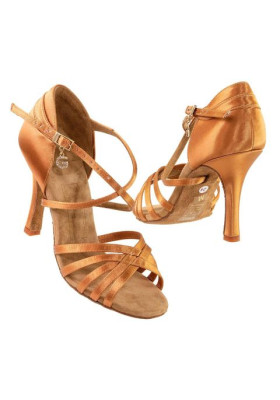
Galex - Emma - Tan-Satin - Heel - Slim 8cm
$238.00CAD
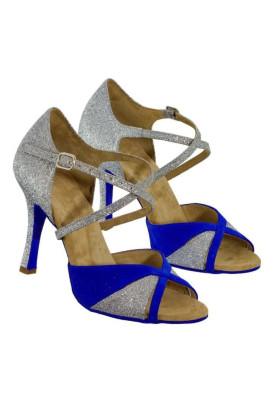
Galex - Emily - Heel - Slim 4-9 cm
$275.00CAD
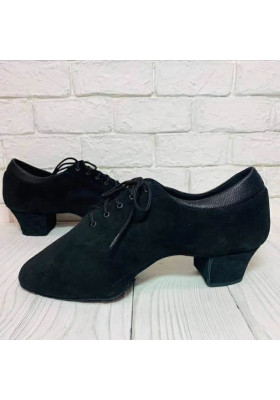
Galex - Black Nubuck - Heel 4cm
$250.00CAD
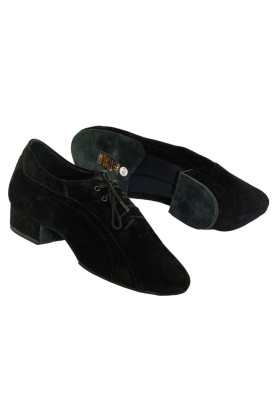
Galex - Black Nubuck - Heel 2cm
$250.00CAD
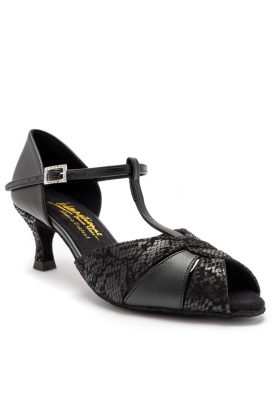
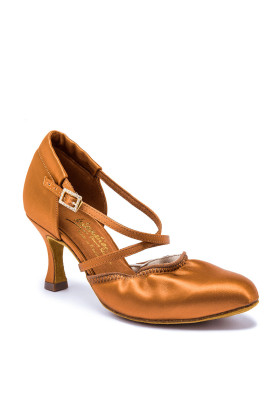
IDS - AMERICAN FLEX - TAN SATIN - 2" heel
$254.00CAD